 David Bridges

Are you watching more video content on your television or on your mobile device? This question has shifted dramatically over the years, as the way we consume entertainment has changed. Previously, our primary source of video entertainment was our home television, the largest screen available. However, due to the increasing accessibility and convenience of online video platforms, a growing number of individuals are opting to view content on their mobile devices. This surge makes it difficult to declare a definitive winner between the two mediums, as both have their unique advantages and user demographics.
To explore this trend further, Snapchat collaborated with market research firms Dentsu and Kantar to gain insights into the engagement levels of its users with mobile video content. The research aimed to uncover the motivations behind consumers’ preferences for either the big screen or the small screen. The findings could significantly influence your marketing strategy, although it’s crucial to understand that the data reflects Snapchat users specifically, rather than the broader population.
First and foremost, the research reveals that mobile devices have emerged as the leading platform for video consumption among this audience segment. This shift indicates a fundamental transformation in how we engage with video content, suggesting that marketers should consider prioritizing mobile-friendly strategies in their campaigns.
According to Snap:
“Although daily video consumption remains high across small screens (mobile) and big screens (TV), consumption on small screens is starting to dominate globally. Across the 8 markets tested, 67% of consumers watch video on their small screen daily, compared to 50% who watch on their big screen.”
While this statistic highlights the number of viewers, it does not account for the time spent on each device, rendering it a somewhat limited comparison. Nevertheless, the key takeaway is clear: a growing number of individuals are dedicating more time to mobile video consumption, signaling that traditional television is no longer the undisputed champion in this arena.
Additionally, the study delves into the reasons consumers choose either the big screen or the small screen for their video viewing needs:
Interestingly, and perhaps unsurprisingly, the data indicates that viewers tend to focus more on content viewed on smaller screens:
“With small screens, consumers are less likely to be distracted by other things/people, or have content on in the background, as they do whilst watching video on big screens. 69% of consumers say that when they play a video on their smartphone, they usually give it their full attention compared to only 50% who give TV viewing their full attention, further illustrating the importance of advertising on small screens to reach consumers, where they may be more receptive to media.”
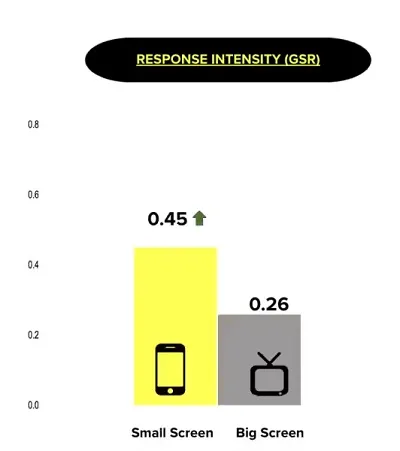
The research also analyzed the effectiveness of advertising campaigns run on both big and small screens, revealing that utilizing a combination of both platforms significantly enhances brand recall and overall impact.
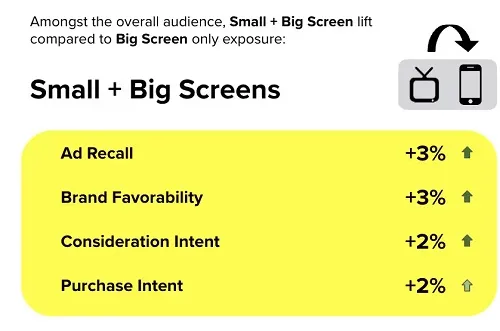
While this finding is not particularly surprising, it is noteworthy that Snap did not separately mention “small screen” exposure regarding these same performance metrics. This could be an area for further exploration in future research.
Ultimately, the crux of this research emphasizes the necessity for marketers to recognize the escalating trend of mobile video consumption when planning their advertising budgets. It is essential to consider mobile video as a complementary strategy alongside traditional TV advertising to maximize reach and effectiveness.
While none of these insights may come as a major revelation, they provide valuable data that can reinforce existing assumptions and inform strategic planning for marketing campaigns.
You can check out Snapchat’s full “big screen/small screen” study notes here.


 Clara Hastings
 Troy Sanders