Daniel Mercer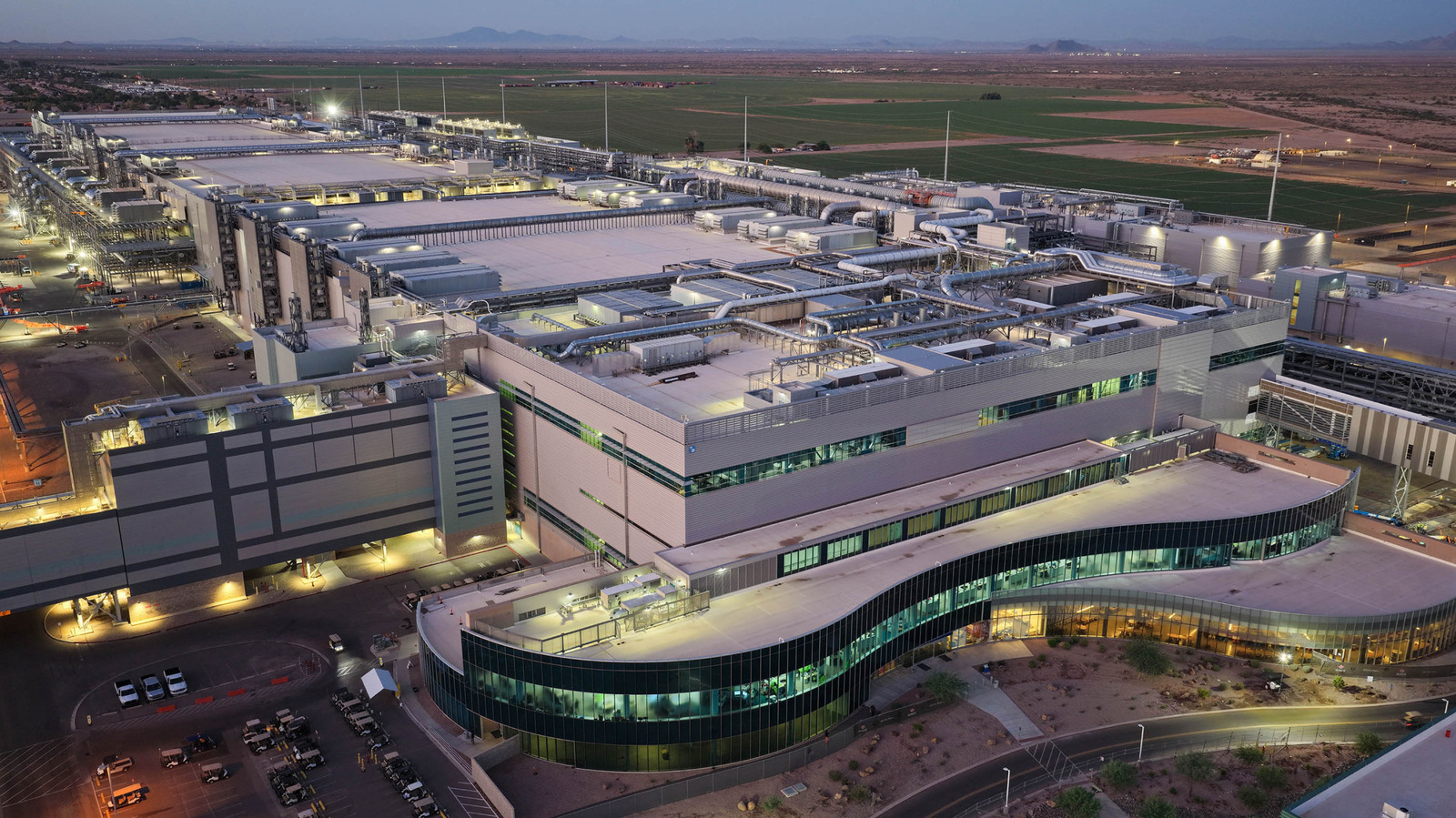

Apple’s collaboration with Intel to produce certain processors has swiftly transitioned from speculation to reality. Following recent reports of discussions between the two companies, supply chain analyst Ming-Chi Kuo has indicated that Apple has commenced test runs for systems-on-chip utilizing Intel’s 18A-P process. This initiative aims to develop processors for “low-end and legacy iPhones, iPads, and Macs,” according to Kuo’s post on X.
Intel was previously Apple’s sole supplier of Mac processors until 2020 when Apple transitioned to its own M Silicon chips, primarily manufactured by Taiwan’s TSMC. As of earlier this month, reports surfaced that Apple sought to reduce its reliance on TSMC and diversify its supplier base. the Trump administration has reportedly encouraged Apple to resume its partnership with Intel after acquiring a 10 percent stake in the chip manufacturer.
Intel is expected to dedicate 2026 to testing the production of Apple processors, with the goal of commencing full production and deliveries by 2027, followed by an increase in output through 2028 and 2029. Intel’s facilities in Oregon, Arizona, and Ohio may be utilized to manufacture the A18 Pro for older and budget-friendly iPhones and Macs, leveraging the new 18A-P process, which is an update from the previous 18A technology used for Panther Lake and other Intel chips. The Intel 18A process is comparable in performance and transistor density to TSMC’s N2 process.
Despite Intel’s involvement, TSMC is projected to continue producing 90 percent of Apple’s processors, even if Intel’s initial shipments proceed as planned, Kuo noted. Approximately 80 percent of Intel’s output is anticipated to be allocated for iPhone chips, reflecting the company’s product distribution strategy. Apple is reportedly assessing Intel’s other advanced-node technologies, including the 14A (1.4nm) process for future iPhone chips.



 Ethan Carter