 Mason Thompson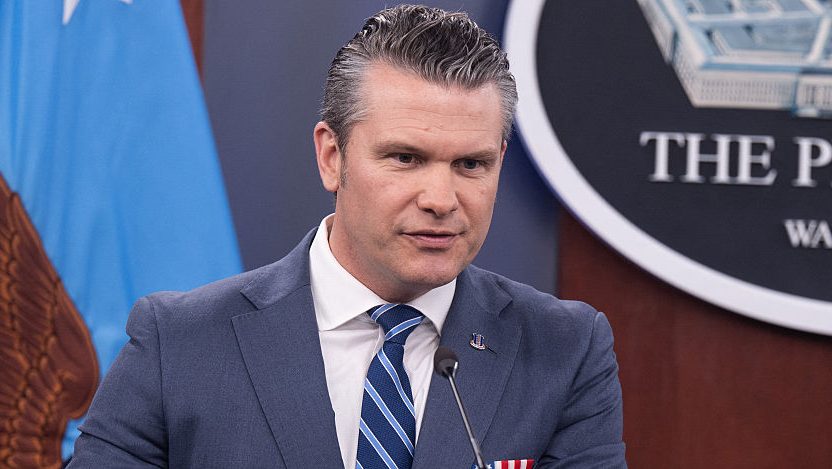

Pete Hegseth, known for his role as the U.S. “Secretary of War,” has recently garnered significant attention after delivering a prayer at the Pentagon on Thursday, April 16. His words closely resembled a memorable scene from Pulp Fiction, the iconic 1994 film directed by Quentin Tarantino. This particular moment features Samuel L. Jackson reciting a fabricated Bible verse, and Hegseth, at the age of 45, appeared to paraphrase this infamous line during his address.
In his remarks, Hegseth stated, “This prayer was recited by Sandy 1, which is one of the Sandies, to all Sandies, all those A-10 crews, prior to all CSAR missions, but especially this CSAR mission, which happened in real time.” He referred to the Sandy 1 rescue operation aimed at assisting a downed pilot in Iran, highlighting the importance of teamwork and dedication in military operations, particularly in combat search and rescue (CSAR) missions.
Continuing his speech, the former Fox News personality mentioned, “They call it CSAR 25:17, which I think is meant to reflect Ezekiel 25:17.” This acknowledgment connects his prayer with the scene from Pulp Fiction where Jackson’s character, Jules Winnfield, delivers a supposed Bible verse right before engaging in a dramatic confrontation, illustrating how pop culture can intersect with real-life events and expressions of faith.
Pete Hegseth quoted a fake Bible verse from Pulp Fiction during a Pentagon sermon.pic.twitter.com/1o3CJiJYRF
— Clash Report (@clashreport) April 16, 2026
“So, the prayer is CSAR 25:17 and it reads, and pray with me, please, ‘The path of the downed aviator is beset on all sides by the inequities of the selfish and the tyranny of evil men. Blessed is he who in the name of camaraderie and duty shepherds the lost through the valley of darkness, for he is truly his brother’s keeper and the finder of lost children,” Hegseth passionately shared. “And I will strike down upon thee with great vengeance and furious anger those who attempt to capture and destroy my brother, and you will know my call sign is Sandy 1 when I lay my vengeance upon thee. Amen.” This dramatic recitation stirred various reactions, as it mirrored the film’s intense themes of justice and moral obligation.
While Hegseth’s recitation of the prayer did not perfectly replicate the famous Pulp Fiction scene, notable similarities existed. Jackson’s original line states, “The path of the righteous man is beset on all sides by the inequities of the selfish and the tyranny of evil men. Blessed is he who, in the name of charity and goodwill, shepherds the weak through the valley of darkness, for he is truly his brother’s keeper and the finder of lost children.” This juxtaposition highlights the ongoing influence of cinematic dialogue in popular culture, especially in contexts involving moral reflection.
In contrast, the actual scripture states, “And I will execute great vengeance upon them with furious rebukes; and they shall know that I am the Lord, when I shall lay my vengeance upon them.” This comparison between Hegseth’s prayer, the movie quote, and the biblical text emphasizes the complex relationship between faith, morality, and cultural references in contemporary discourse.

 David Bridges