 David Bridges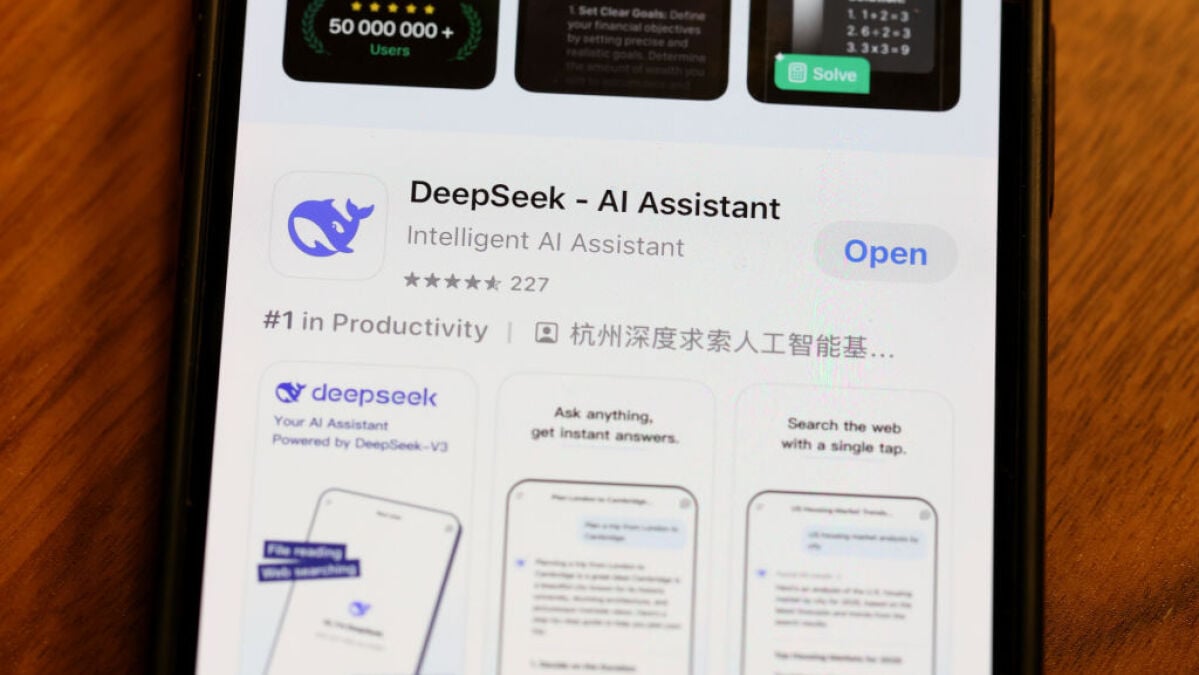
U.S. tech companies are well-known for accumulating vast amounts of user data, but the privacy policy of DeepSeek raises the stakes significantly, making the practices of Meta, Google, and OpenAI appear almost benign in comparison. As consumer awareness grows, it is essential to scrutinize how companies handle personal information, especially when it comes to AI technologies.

In recent days, the China-based AI startup DeepSeek has surged into the public eye with its open-source model, which many tech enthusiasts argue rivals, if not surpasses, the capabilities of OpenAI’s offerings. DeepSeek R1 promises to deliver similar performance at a fraction of the cost, but potential users need to consider the hidden costs associated with privacy and security. Understanding the implications of using such technology is crucial for informed decision-making.
Upon delving into the details of DeepSeek’s privacy policy, potential users will encounter numerous red flags that warrant careful examination before consenting to their terms. It is vital to fully understand what you might be agreeing to when using their services.
DeepSeek AI: What you need to know about the ChatGPT rival
Understanding DeepSeek’s Data Collection Under Chinese Law
DeepSeek’s privacy policy states, “The personal information we collect from you may be stored on a server located outside of the country where you live. We store the information we collect in secure servers located in the People’s Republic of China.” This raises significant concerns for users outside China, as their data could be subject to local laws that prioritize government access over personal privacy.
Further complicating matters, the policy outlines that DeepSeek may disclose user data to “comply with applicable law, legal process, or government requests.” This aspect of their data handling practices echoes broader concerns voiced during the ongoing debates surrounding the TikTok ban, which surfaced due to privacy, national security, and surveillance apprehensions. Users must weigh the implications of using a service that may be compelled to share data with foreign governments, especially given the more stringent data access laws in China.
As discussions about data privacy continue to evolve, it’s crucial to consider how DeepSeek’s practices could potentially expose U.S. user data to foreign entities. While users might be accustomed to the extensive data collection by U.S. tech giants, the implications of using a service that operates under Chinese jurisdiction cannot be overlooked.
Mashable Light Speed
DeepSeek’s Comprehensive Data Collection Practices
DeepSeek’s data collection extends beyond typical parameters. The platform gathers “text or audio input, prompt, uploaded files, feedback, chat history, or other content that [the user] provide[s] to our model and Services.” In addition to this, DeepSeek collects a wide array of device-specific information, including “device model, operating system, keystroke patterns or rhythms, IP address, and system language.” This level of information collection not only raises privacy concerns but also highlights the potential for deep surveillance.
While companies like Google, Meta, and OpenAI have their own extensive data collection practices, they do not typically include the collection of keystroke data in their privacy statements. The fact that DeepSeek transfers user data directly to Chinese servers further amplifies the risks associated with using its services, particularly for users concerned about their digital privacy and data security.
Potential Risks of DeepSeek’s Indefinite Data Retention Policy
According to DeepSeek’s privacy policy, the company retains user information “for as long as necessary to provide our Services and for the other purposes set out in this Privacy Policy.” This vague retention policy is troubling, especially when considering the data retention practices of other tech giants. For example, Google can keep your data for up to three years, while OpenAI retains deleted data for a period of 30 to 90 days. In contrast, Meta has an indefinite data retention policy in the U.S., which can be unsettling for privacy-conscious users.
The implications of DeepSeek’s indefinite retention policy are particularly concerning, given China’s strict governmental oversight of its tech industry. The lack of a defined retention period significantly heightens the risk of user data exposure and raises alarms about potential security breaches, making it crucial for users to fully understand what they are agreeing to.
Unresolved Privacy and Security Concerns Surrounding DeepSeek
DeepSeek’s privacy policy lacks crucial information regarding the security measures in place for its servers. There is no mention of whether user data is encrypted while stored or during transmission, nor are there any details about safeguards to prevent unauthorized access to sensitive information. This absence of transparency raises significant red flags about how user data is handled and protected.
Moreover, DeepSeek does not clarify whether users have the option to opt out of sharing their data for training its models. While similar policies exist among other major players like Google and Meta, the potential for user data to be accessible to the Chinese government adds another layer of concern. Users should be aware that whatever information they share with the chatbot could essentially become public and potentially accessible to foreign entities.
Mashable has reached out to DeepSeek for further clarification regarding its policies and will provide updates as information becomes available.
Topics
Artificial Intelligence
DeepSeek
var facebookPixelLoaded = false;
window.addEventListener(‘load’, function(){
document.addEventListener(‘scroll’, facebookPixelScript);
document.addEventListener(‘mousemove’, facebookPixelScript);
})
function facebookPixelScript() {
if (!facebookPixelLoaded) {
facebookPixelLoaded = true;
document.removeEventListener(‘scroll’, facebookPixelScript);
document.removeEventListener(‘mousemove’, facebookPixelScript);
!function(f,b,e,v,n,t,s){if(f.fbq)return;n=f.fbq=function(){n.callMethod?
n.callMethod.apply(n,arguments):n.queue.push(arguments)};if(!f._fbq)f._fbq=n;
n.push=n;n.loaded=!0;n.version=’2.0′;n.queue=[];t=b.createElement(e);t.async=!0;
t.src=v;s=b.getElementsByTagName(e)[0];s.parentNode.insertBefore(t,s)}(window,
document,’script’,’//connect.facebook.net/en_US/fbevents.js’);
fbq(‘init’, ‘1453039084979896’);
fbq(‘track’, “PageView”);
}
}



 Daniel Mercer