Brandon Fletcher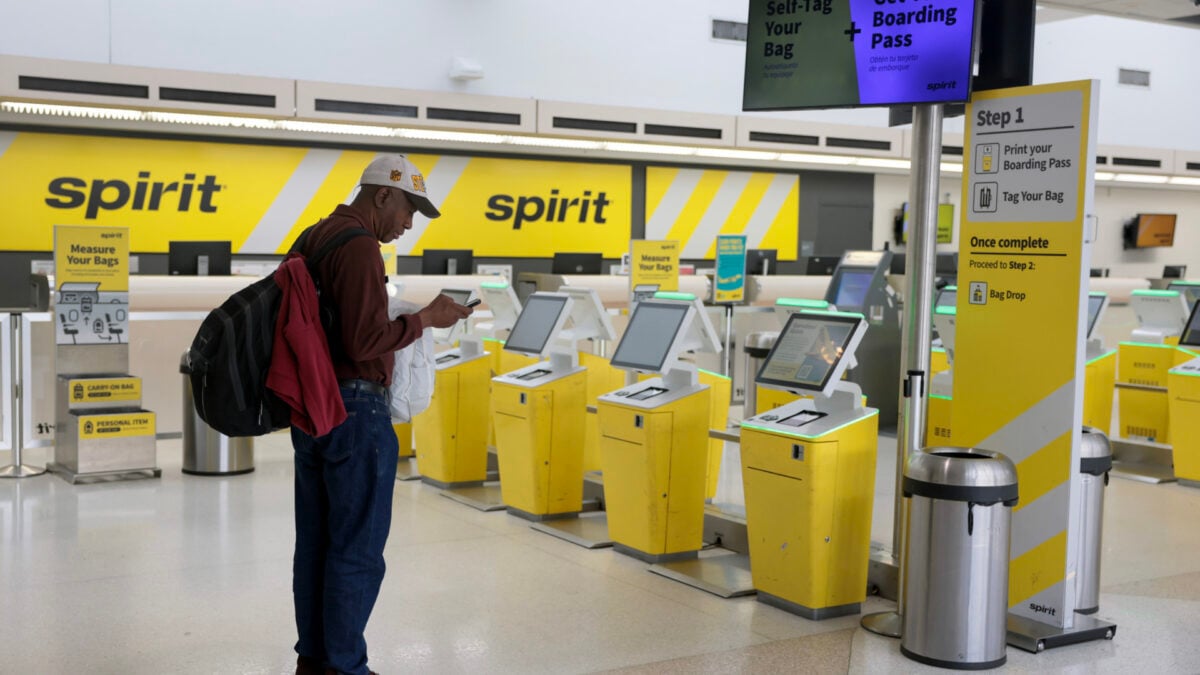

The airline industry is facing a dramatic downturn, with profits projected to be cut by 50% this year due to a severe shortage of jet fuel, a situation exacerbated by the ongoing conflict between Iran and the United States. This alarming forecast comes from the International Air Transport Association (IATA), the leading trade association for global airlines.
IATA’s director general, Willie Walsh, stated in a press release, “War-related disruptions in the Middle East and escalating fuel prices have severely impacted airlines’ financial outlook.”
Following the onset of American and Israeli airstrikes on Iran on February 28, the Iranian government responded by halting nearly all traffic through the crucial oil transit route, the Strait of Hormuz. This action disrupted the global energy market significantly, leading to a jet fuel shortage that the head of the International Energy Agency characterized as “the largest energy crisis we have ever faced.”
In March 2026 alone, U.S. airlines incurred expenses of $5.06 billion for jet fuel, according to the Department of Transportation. This figure marks a substantial increase from the $3.88 billion spent in March 2025.
The IATA forecasts that the global airline sector will generate a net profit of $23 billion in 2026. This figure reflects a steep decline from the earlier estimate of $41 billion and represents half of the $45 billion profit recorded in the previous year.
“The anticipated net profit per passenger is projected to drop to $4.50, which is half of last year’s figure. This demonstrates resilience in challenging circumstances,” Walsh remarked. “However, this amount wouldn’t even cover a hot dog at most FIFA World Cup venues, leaving minimal financial cushion should other expenses or taxes rise.”
The financial repercussions are likely to affect both airlines and their customers.
“Unfortunately, some carriers may find it exceedingly difficult to manage these soaring fuel costs,” Walsh conveyed to Reuters on Tuesday, predicting that certain airlines might go bankrupt or be absorbed by larger competitors.
A notable instance is Spirit Airlines, which ceased operations last month after 34 years in business. The budget airline had already been facing financial difficulties, but the surge in jet fuel prices proved to be the final nail in the coffin.
Last month, Neil Sorahan, CFO of European low-cost airline Ryanair, stated to CNBC that “some of the weaker carriers, already struggling before the conflict, could face bankruptcy this winter due to jet fuel costs.”
Airlines catering to more affluent travelers, such as United or Delta, are less concerned. The significant fare increases associated with rising fuel prices have not deterred their customers from purchasing tickets. In contrast, budget airlines, known for their economical fares, are acutely aware of the severe challenges they face. In April, a coalition of budget carriers, including Frontier Airlines, which was once a major competitor of Spirit, sought a $2.5 billion bailout from the Trump administration, but the request was denied in May.
Airlines are adopting three primary strategies in response to soaring jet fuel prices: absorbing some costs, eliminating unprofitable routes, and increasing ticket prices. Walsh anticipates that these measures will persist in the near future. Currently, flight tickets have already risen by more than 20% compared to last year.
“Escalating oil prices will unavoidably lead to higher ticket prices,” Walsh stated over the weekend, as reported by The Guardian. “There’s simply no way to avoid that.”
The real uncertainty, Walsh noted, lies not in whether airfares will remain high but in how long travelers are willing to accept these increased costs.


 Daniel Mercer