 Troy Sanders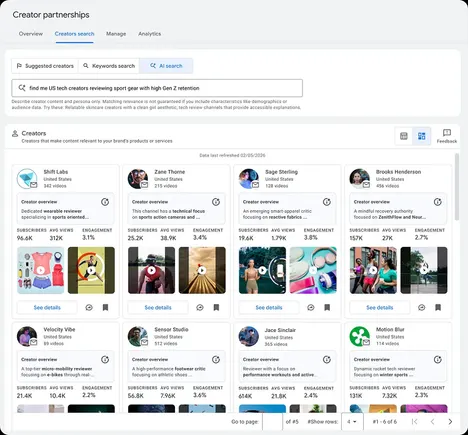

YouTube stands as one of the most dominant platforms globally, with numerous studies highlighting its extensive reach across various demographic groups. Its influence is evident in the way people engage with content, mirroring the consumption patterns of traditional television shows. This shift further cements YouTube’s status as a leading medium in today’s digital landscape.
As a result, YouTube offers brands a unique opportunity to connect with their target audiences and enhance the visibility of their products and services. To effectively capitalize on this platform, marketers should consider the following essential strategies for cultivating a strong presence on YouTube.
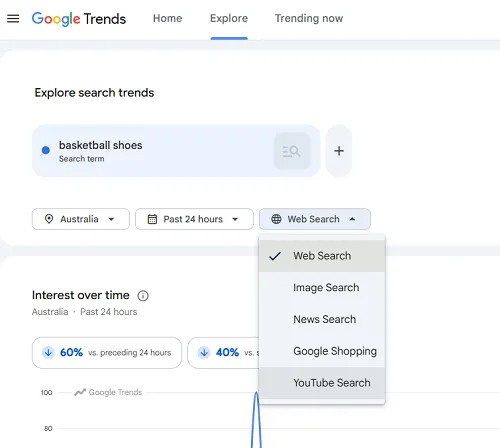
To uncover what’s trending on YouTube, marketers can utilize Google Trends. By entering specific keywords and filtering results to focus on YouTube searches, marketers can gain insight into overall search interest, related terms, and emerging queries for any topic. This information allows brands to better understand viewer preferences and tailor their content accordingly.
Optional Caption
This approach provides marketers with a comprehensive view of YouTube viewers’ interests, enabling them to align their content with audience demands.
2. Identify Relevant Creators
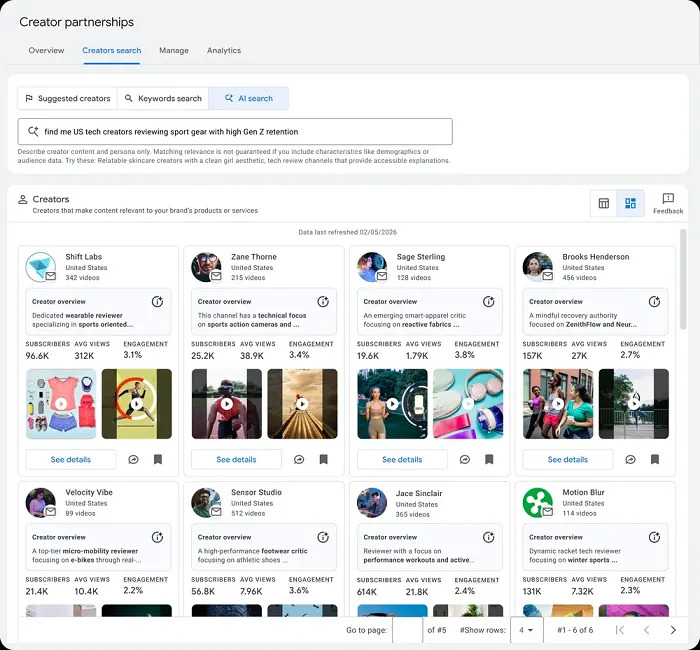
Brands can leverage YouTube’s creator partnerships tool, accessible through YouTube Studio, to find top creators within their niche. This feature allows marketers to conduct keyword searches and conversational queries, supported by Google’s Gemini AI. The tool simplifies the process of matching brands with the right creators, providing data on creators’ subscriber counts and engagement metrics.
Optional Caption
This tool enhances the ability of brands to connect with creators who resonate with their target audience, ultimately enriching collaborative marketing efforts.
3. Investigate Successful Content
By examining the content produced by identified creators, marketers can pinpoint successful strategies and formats. Analyzing what types of videos generate the most engagement allows brands to adapt their own content to better align with audience preferences.
4. Embrace YouTube Shorts
With the increasing popularity of YouTube Shorts, brands aiming for maximum exposure should consider incorporating this format into their strategies. Shorts focus on delivering captivating, bite-sized content that attracts viewers’ attention quickly. Collaborating with suitable creators can help brands effectively reach the Shorts audience. YouTube also offers valuable guidelines on creating engaging Shorts, which can assist brands in developing their own impactful short-form videos.
5. Leverage YouTube Shopping Features
YouTube is enhancing its in-app shopping capabilities, making it essential for brands to explore its shopping affiliate program. This program enables marketers to connect their stores with YouTube, allowing creators to tag branded products in their videos. This integration can significantly streamline the shopping experience for viewers and boost product visibility.
6. Develop a Comprehensive Strategy
Once foundational knowledge is established, marketers should create a robust YouTube content strategy grounded in data analysis and aligned with the latest trends in their industry. A well-thought-out strategy will provide a clear roadmap for content creation and audience engagement.
7. Analyze Performance and Optimize
After implementing a strategic approach, marketers should utilize YouTube insights available in YouTube Studio to evaluate their performance. Identifying what works and what doesn’t allows brands to refine their strategies and build upon their most effective tactics.
YouTube serves as a vital platform connecting billions of users and can be a powerful tool for brand promotion. By thoroughly researching trends and applying effective marketing strategies, brands can successfully harness YouTube’s potential to elevate their marketing efforts.

 Clara Hastings