 Brandon Fletcher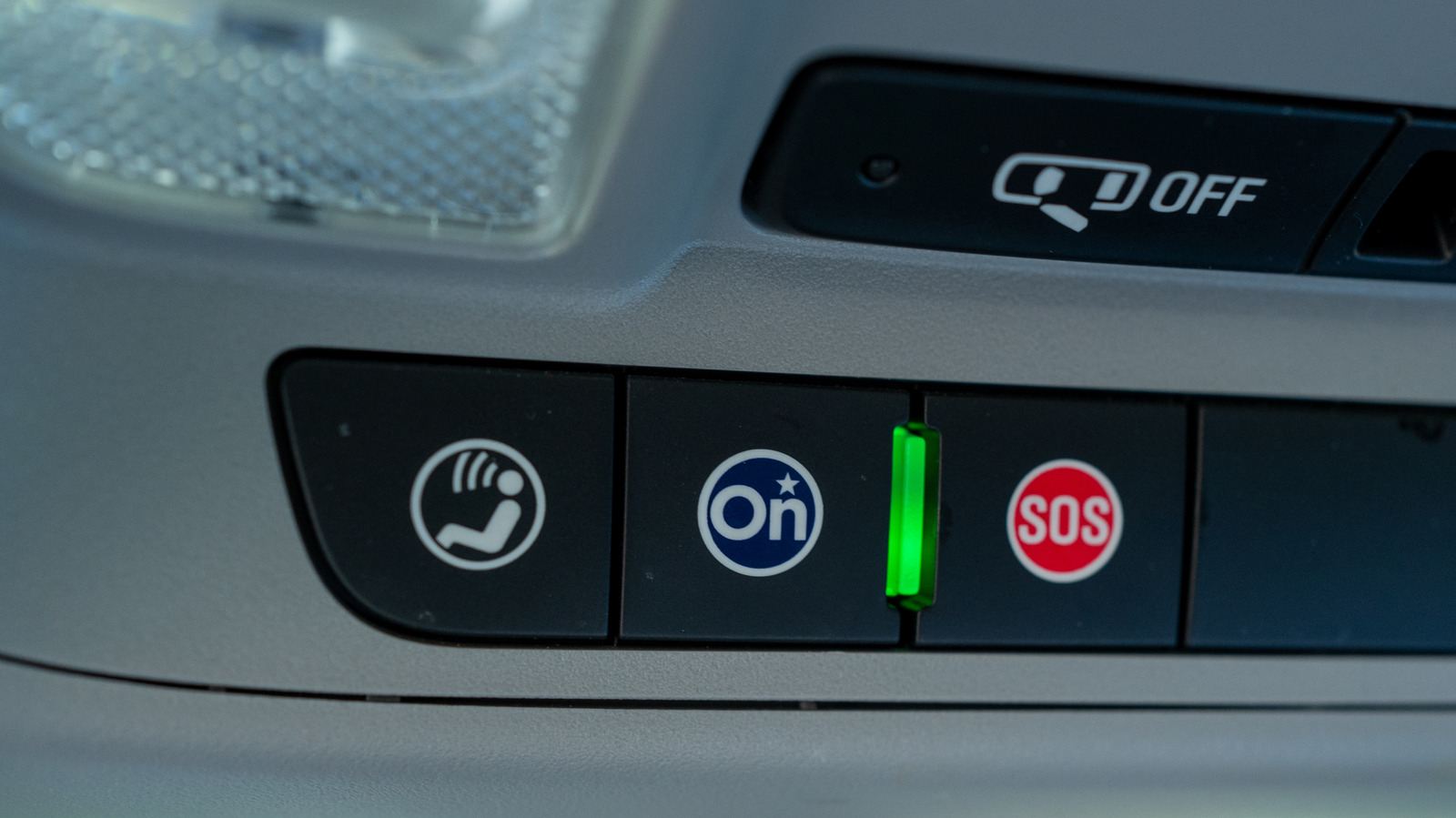

General Motors Settles California Lawsuit Over Customer Data Misuse
Following its recent settlement with the FTC regarding the controversial sale of drivers’ data to brokers, General Motors has now reached a significant legal agreement in California. The automotive giant agreed to pay a hefty $12.75 million in civil penalties to resolve a lawsuit led by Attorney General Rob Bonta, representing the people of California. Additionally, GM faces a five-year ban on selling driving data to consumer reporting agencies. This legal action was prompted by a 2024 New York Times report that disclosed GM’s collection of consumer driving data through its OnStar program, which was then sold to data brokers like Verisk Analytics and LexisNexis Risk Solutions, enabling these entities to market the data to auto insurers.
How Could Driving Data Impact Insurance Rates?
In certain scenarios, the driving data collected by GM could potentially be utilized by insurers to raise customers’ insurance rates. Fortunately, California laws offer some protection to consumers, as they prohibit insurance companies from using driving data in such a manner. However, the lawsuit contends that GM infringed on consumer privacy rights by selling data without consent, which included sensitive information such as names, contact details, geolocation data, and driving behavior analytics. This raises serious concerns about consumer privacy and the ethical implications of data handling by major corporations.
What Are the Terms of the Settlement Agreement for GM?
The settlement agreement mandates that GM must delete any retained driving data within 180 days, except for limited internal uses, unless they obtain the customer’s explicit consent. Furthermore, GM is required to develop a robust privacy program aimed at evaluating the risks associated with data collection through the OnStar service. The findings of this program must be reported to the Department of Justice and other regulatory agencies. Attorney General Bonta emphasized the importance of this settlement, stating, “Today’s settlement requires General Motors to abandon these illegal practices and underscores the significance of data minimization in California’s privacy law — companies cannot simply retain data for indefinite future use.”

 Daniel Mercer