Daniel Mercer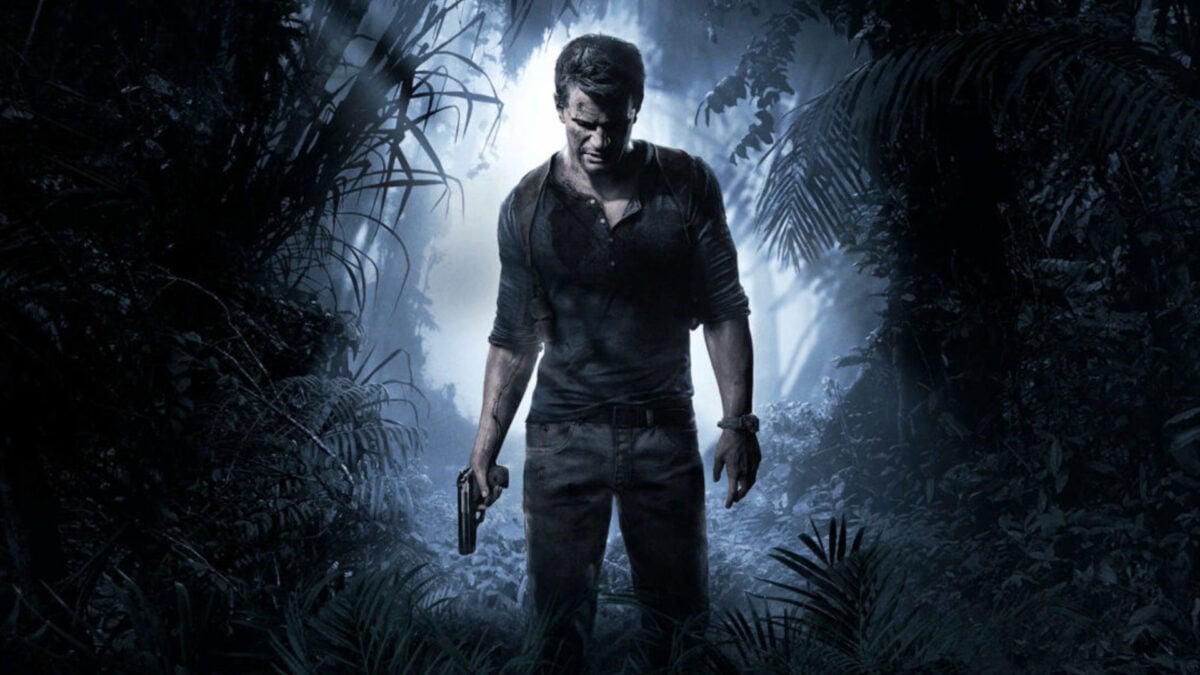

The PlayStation 3 is set to celebrate its remarkable 20-year milestone this upcoming November, and when discussing this iconic console, the Uncharted series inevitably comes into play. This beloved franchise by Naughty Dog has become one of the defining jewels of the platform, and as we enter May, we find ourselves celebrating two significant milestones that highlight its impact on gaming culture and development.
First and foremost, we commemorate the 10-year anniversary of Uncharted 4: A Thief’s End, which was originally launched on May 10, 2016, for the PlayStation 4. This game marked a significant leap for Naughty Dog, as it was their initial foray into the console without relying on remasters. At the time of its release, it was heralded as the final chapter in the series, although it was also a product of a tumultuous development process. Notably, it experienced challenges such as severe crunch periods and the departures of long-standing creative director/co-writer Amy Hennig and director/designer Justin Richmond in 2014. Their exits resulted in substantial rewrites, which were evident in the game’s reveal trailer that hinted at a darker storyline, a direction that ultimately did not materialize in the finished game.
Despite these challenges, Uncharted 4 emerged as both a critical and commercial success, quickly establishing itself as the best-selling entry in the Uncharted series and one of the top-selling titles on the PS4. This installment represents a notable shift in Naughty Dog‘s creative ethos, as long-time employees and directors of The Last of Us, Neil Druckmann and Bruce Straley, took the reins following Hennig and Richmond’s exits. Straley departed after the completion of A Thief’s End, while Druckmann remained, gradually becoming a prominent figure within the studio. His growing influence has propelled him into a key creative role in the The Last of Us HBO adaptation, making it difficult to dissociate Naughty Dog from his name, a relationship that has had mixed repercussions for the studio as they continue to revisit their post-apocalyptic franchise throughout the 2020s.
Looking back further, May 9 marks the 20th anniversary of the original Uncharted game’s debut at E3 2006. During its early years, the showcase was traditionally held in May, rather than the usual June or July timeframe. After releasing four successful Jak & Daxter titles for the PlayStation 2, it was a significant pivot for Naughty Dog to shift gears towards developing a new intellectual property, particularly one characterized by a photorealistic aesthetic set in the real world. Initially referred to by the codename “Big,” the project quickly attracted comparisons to cinematic adventures like Indiana Jones and Tomb Raider, especially due to its emphasis on cover-based shooting mechanics. As the game developed, excitement continued to build with every glimpse shared with the public.
When Uncharted: Drake’s Fortune finally launched on November 19, 2007, it received a warm reception that not only marked the birth of a vital PlayStation franchise but also helped pave the way for cinematic, third-person gaming experiences that remain prevalent today. The number of influential titles that have drawn inspiration from Uncharted is vast, yet the franchise itself has been relatively quiet in recent years. While the movie adaptation was released in 2022, the last significant game installment was the standalone offshoot The Lost Legacy. Nowadays, the conversation has shifted from whether we will see more Uncharted titles to when they will arrive. A recent PS5 advertisement sparked speculation among fans with a mysterious teaser featuring a woman exploring a cave, and there has been growing excitement around social media posts from Lost Legacy director Shaun Escayg. While Naughty Dog is currently engaged in developing Intergalactic: The Heretic Prophet, similar to the adventurous spirit of Nathan Drake, the studio is likely to continue exploring its cherished past.
Looking for more updates from io9? Stay tuned to find out when to expect the latest releases from Marvel, Star Wars, and Star Trek, along with upcoming developments in the DC Universe for film and television, as well as everything you need to know about the future of Doctor Who.


 Brandon Fletcher