 Ethan Carter

Affordable mobile plans can still deliver excellent quality.
Choosing a traditional postpaid plan with one of the three leading carriers—AT&T, T-Mobile, or Verizon—can be costly. Monthly fees typically start at around $50, easily climbing to nearly $100 for individual users. Many of these plans require you to sign up for higher-priced tiers to access enticing phone promotions. they often add extra charges for features you might not even utilize.
Fortunately, these major carriers are not your only choices. A range of affordable mobile providers, known as mobile virtual network operators (MVNOs), offer dependable service at significantly lower prices. Having used these services for over a decade, I confidently recommend them to almost anyone looking to save on their phone bills.
What Are MVNOs and How Do They Work?
Khairil Azhar Junos/Shutterstock
The major carriers, such as Verizon and AT&T, are classified as mobile network operators (MNOs). They are responsible for all infrastructure necessary for cellular connectivity, including towers and radio access networks. Conversely, MVNOs operate “virtually” by leasing network access from these operators without owning the infrastructure themselves. They buy large quantities of network access and resell it to customers at more affordable rates.
When you choose an MVNO like Mint Mobile, you are utilizing the network that the provider rents from another company (in Mint’s case, T-Mobile). Customers who deal directly with the MNO typically receive priority during peak times, which means MVNO users may experience slower speeds when the network is congested.
Most MVNOs operate on a prepaid basis, meaning you pay upfront for your service, either monthly or annually. This differs from the postpaid models of the larger carriers, which traditionally locked customers into contracts. Nowadays, postpaid plans often try to entice users with “free” phones that are financed through bill credits over 24 to 36 months. If you switch carriers before paying off the device, you will have to settle the remaining balance. credit checks are usually a requirement for postpaid plans.
To avoiding infrastructure costs, MVNOs reduce expenses in other ways. Most do not have physical retail locations, offering customer support exclusively online or via phone. If you choose to finance a phone, it is typically through third-party services like Affirm, rather than the carrier. they rarely bundle additional subscriptions like streaming services with their plans. This streamlined approach benefits both the MVNO and the customer by lowering overall costs.
Comparing Different MVNO Providers
sdx15/Shutterstock
Although most MVNOs operate similarly, each provider offers distinct plans and features. Mint Mobile, owned by T-Mobile, is recognized for its prepaid plans. The cost decreases based on whether you opt for three, six, or twelve months upfront. For instance, the best deal is $15 per month on the 12-month, 6GB plan. For those requiring more data, they also offer tiers of 17GB, 23GB, and “unlimited” (capped at 50GB).
Visible, an MVNO from Verizon, provides three pricing tiers. The basic plan is available for $275 per year (or $25 per month), covering taxes and fees while offering unlimited data, including mobile hotspot usage. Higher-tier plans grant access to Verizon’s Ultra Wideband 5G for enhanced streaming and several other benefits, including additional international usage days.
US Mobile allows for more customization if you haven’t found a suitable option. It supports all three major networks, letting you select one during setup and switch to another for a small fee ($2) or at any time with the Unlimited Premium plan. Besides unlimited options, US Mobile offers family plans that share a pool of data among multiple lines. If those options don’t fit your needs, you can create a custom plan tailored to your required minutes, texts, and data.
For frequent international travelers, Google Fi Wireless presents an appealing choice. The Unlimited Premium plan is on the pricier side at $65, but it includes 50GB of data usable in most countries without the need for additional passes or concerns about overages. If your data needs fluctuate monthly, the Flexible plan costs $20 monthly for calls and texts, plus $10 per GB of data, which is also applicable internationally.
Transitioning to an MVNO: What to Expect
wisely/Shutterstock
Switching to an MVNO is straightforward but involves several steps. Most MVNO websites provide tools to verify coverage in your area and check if your phone is compatible with their network. If you are currently financing a phone with a carrier like AT&T, you must pay off the balance before switching. If you plan to use your existing phone with the new carrier, follow the instructions from your current provider to unlock it; otherwise, you may purchase a device directly from the new carrier.
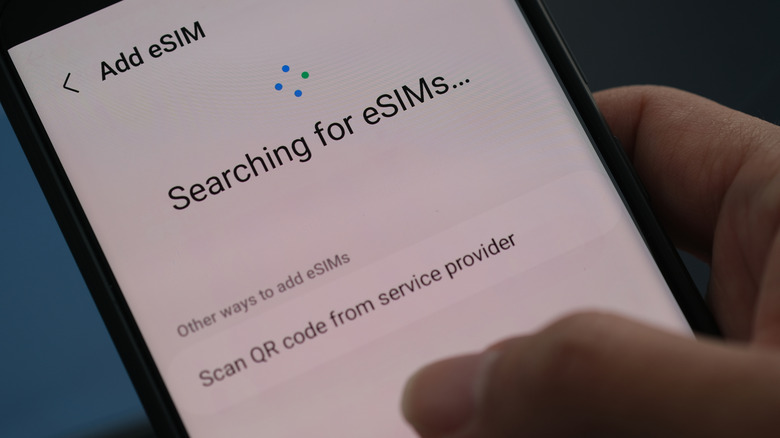
The process of transferring your phone number to your new plan is user-friendly. Most modern smartphones support eSIM technology (the iPhone 14 and newer models lack a physical SIM card slot), allowing for quick activation without waiting for a physical SIM card to arrive in the mail. Your new MVNO’s app will assist you through this setup process.
I have been using MVNOs since late 2015. Initially, I chose Google Fi (formerly known as Project Fi) and switched to Mint Mobile in mid-2020. Despite occasional minor issues, I have never felt that I was on a subpar network. The speeds are typically sufficient for all standard uses. I usually use only a few gigabytes of data monthly, buy unlocked devices directly from manufacturers, and maintain a lean subscription base. This is why the enticing offers of “free” devices, “unlimited” data, and bundled features from major carriers don’t justify their elevated prices for me.
During my time with Mint, the company has consistently increased the data allowances across its plans without raising prices. When I joined, the base plan offered 3GB, which was raised to 4GB in 2021, then to 5GB in 2023, and 6GB by 2026. In a time when prices are generally rising while quality falls, I truly value this kind of commitment.
If you are currently with one of the major carriers, chances are you are paying more than necessary. The “free” devices they promote often come with the hidden cost of premium-priced plans. You can save money in the long run by purchasing your phone outright and pairing it with a more affordable mobile plan. Assess your actual data usage, and don’t feel pressured into choosing “unlimited” plans if your needs are modest.

 Daniel Mercer
 Brandon Fletcher