 Ethan Carter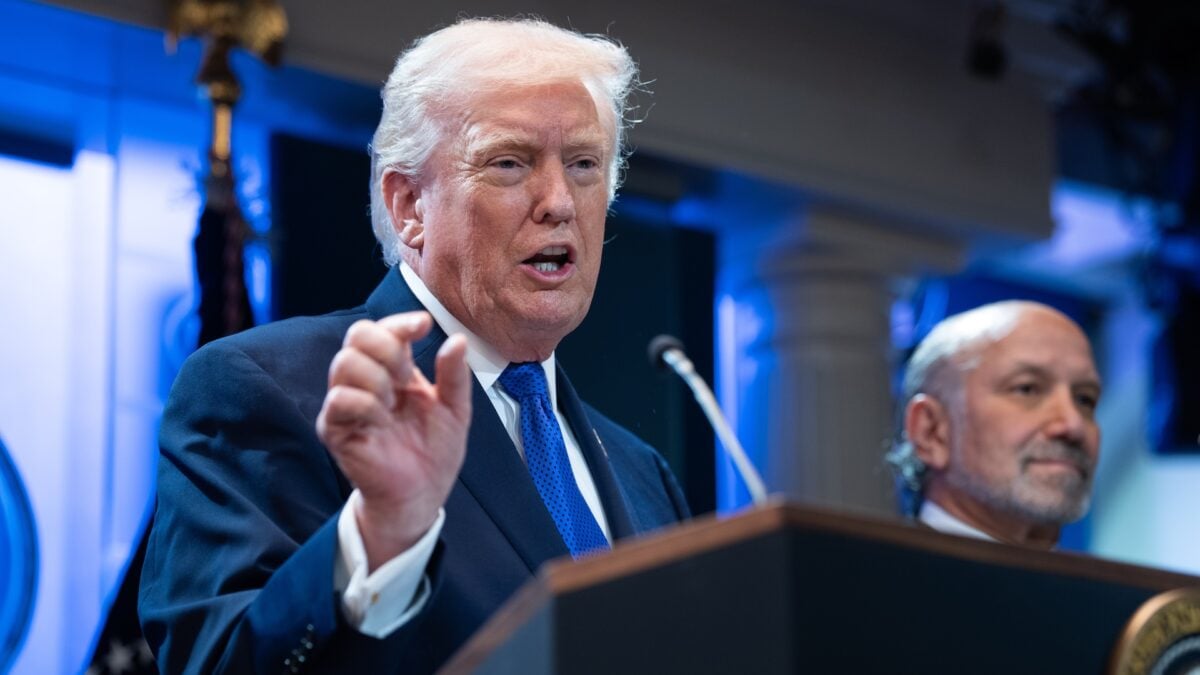
What Are Tariffs and Their Impact on the Economy?
Tariffs are taxes imposed on imported goods, which can influence trade dynamics and economic stability. They matter for consumers and businesses as they affect product prices and availability.

At SocialSchmuck, we specialize in social media, entertainment, and technology news, helping our audience stay informed about critical developments in these fields. Our insights empower users to navigate the complex landscape of current events effectively.
We monetize our platform through advertising and partnerships, providing users with timely news and analysis. This guide covers the implications of recent tariff announcements, the legal framework surrounding them, and their potential economic effects.
- Overview of tariffs and their definitions
- Recent tariff announcements by President Trump
- Legal statutes governing tariff imposition
- Economic implications of increased tariffs
- Comparative analysis of tariff rates
What Did President Trump Announce About Tariffs?
On February 20, 2026, President Donald Trump announced a new 10% global tariff following a Supreme Court ruling against previous tariffs. He expressed frustration with the justices he appointed, stating, “Foreign countries that have been ripping us off for years are ecstatic.”
Despite the Supreme Court’s decision to strike down tariffs imposed under the International Emergency Economic Powers Act, Trump indicated he would utilize other legal frameworks to impose similar tariffs.
He stated, “A president can actually charge more tariffs than I was charging in the past period of a year under the various tariffs authorities.” This declaration suggests a shift in strategy regarding tariff implementation.
What Are the Legal Frameworks for Tariffs?
The legal basis for Trump’s tariff strategy includes:
- Section 232 of the Trade Expansion Act of 1962: Allows tariffs based on national security concerns.
- Section 301 of the Trade Act of 1974: Permits tariffs on countries engaged in unfair trade practices.
- Section 122 of the 1974 legislation: Enables temporary tariffs for up to 150 days, with rates up to 15%.
How Will Tariffs Affect the Overall Tariff Rate?
As of 2026, the average effective tariff rate rose from approximately 2% under President Joe Biden to 16.9% before the Supreme Court ruling. If the ruling is followed without additional tariffs, the estimated rate would be 9.1%, the highest since 1946.
With the newly proposed 10% global tariff, the overall tariff rate could reach approximately 15.4%, according to estimates from Yale’s Budget Lab.
| Period | Effective Tariff Rate | Source |
|---|---|---|
| Under Biden | 2% | Yale’s Budget Lab |
| Before Ruling | 16.9% | Yale’s Budget Lab |
| Post Ruling Estimate | 9.1% | Yale’s Budget Lab |
| With Global Tariff | 15.4% | New York Times |
What Are the Economic Implications of Increased Tariffs?
Experts predict that the new tariffs could lead to economic uncertainty. Financial analysts suggest that companies are unlikely to lower prices without new tariffs, even with extended time to implement them.
Bloomberg reporter Jordan Fitzgerald stated, “The only certainty is uncertainty.” This sentiment encapsulates the unpredictability of the economic landscape amid shifting tariff policies.
How Does This Compare to Previous Tariff Strategies?
Trump’s previous tariffs were often linked to foreign relations and trade negotiations. He claimed that tariffs played a role in settling international conflicts, stating, “Tariffs have been used to end five of the eight wars I’ve settled.” This assertion lacks substantial evidence.
Fielding questions from reporters, Trump mentioned that the new tariffs could be “potentially higher” than previous implementations. He has also suggested that tariffs might eventually replace federal income taxes, a long-standing goal among conservatives.
| Tariff Strategy | Potential Impact | Historical Context |
|---|---|---|
| Previous Tariffs | Limited economic influence | Influenced by foreign relations |
| New 10% Global Tariff | Increased economic uncertainty | Potentially higher rates than before |
What Are the Reactions to Trump’s Tariff Announcements?
Reactions to Trump’s press conference have been mixed. Critics point to the potential negative consequences for the economy and international relations. Trump’s remarks about the Supreme Court justices who ruled against him were particularly controversial.
He claimed that the court was influenced by “foreign interests,” although he did not elaborate on this assertion. This statement has raised questions about the integrity of judicial decisions in the context of economic policies.
Trump’s administration continues to face scrutiny, especially regarding his Commerce Secretary Howard Lutnick, who is under fire for past associations. The political landscape remains volatile as the implications of these tariffs unfold.
In conclusion, the evolving tariff landscape under Trump presents significant challenges and uncertainties for the U.S. economy. As these developments continue, staying informed will be crucial for understanding their broader implications.

 Daniel Mercer