 Brandon Fletcher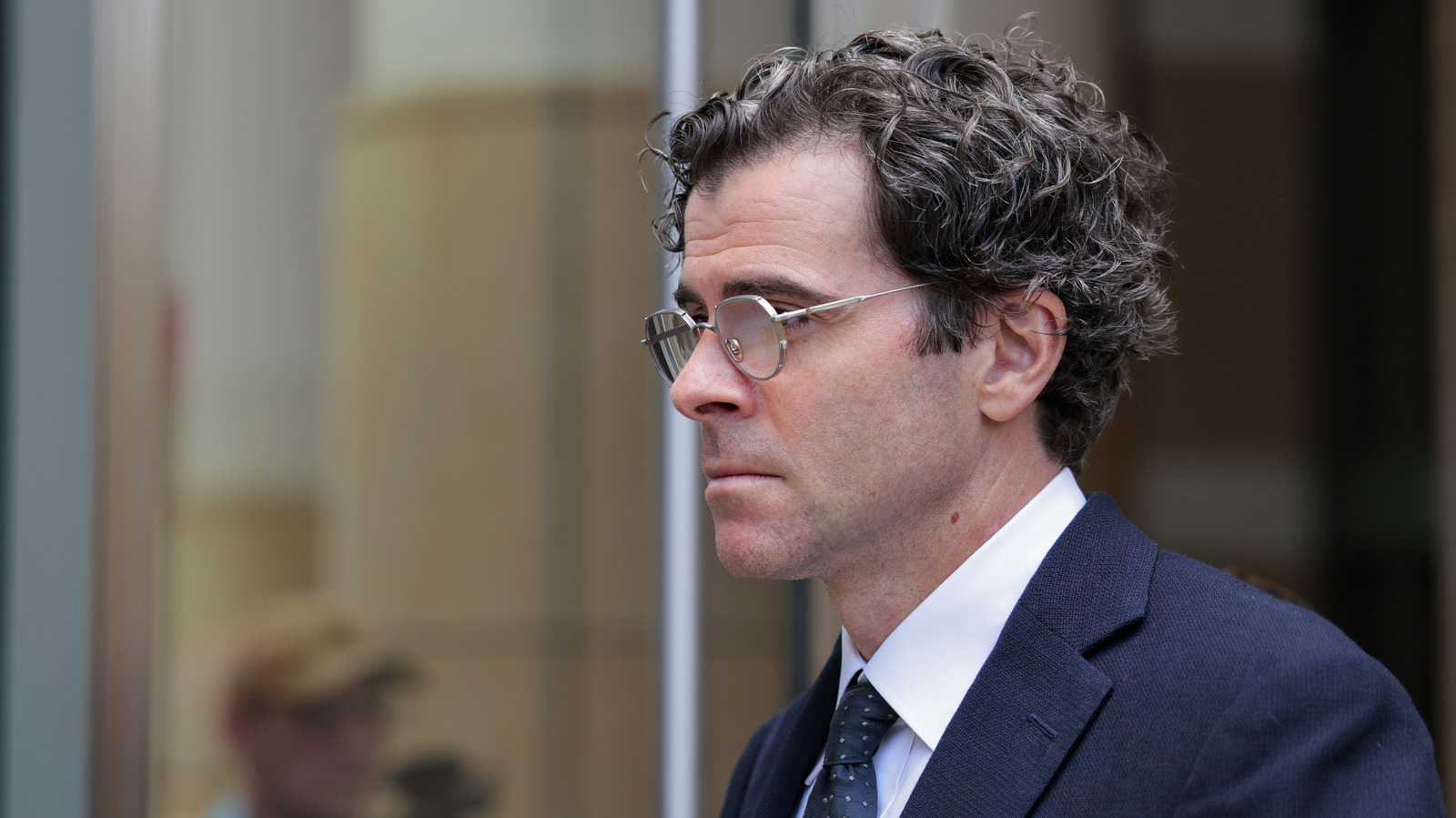

Adam Mosseri, the head of Instagram, provided testimony in Meta’s ongoing trial concerning social media addiction and the protection of children’s privacy on Tuesday. During his statement, Mosseri expressed surprise upon learning that a company lawyer had instructed Instagram employees to “limit” the presentation of certain data regarding teen safety to him.
Mosseri’s appearance was part of a significant legal battle involving Meta and numerous state attorneys general. The state lawyers have alleged that Meta deliberately sought to “hook” young users onto its platform, despite internal research indicating potential harm to this demographic.
A key piece of internal research revealed during the trial was a 2023 slide presentation created by Instagram designers related to teen safety. This presentation highlighted that content associated with suicide, self-harm, and eating disorders attracted a “disproportionately large teen audience,” with engagement rates for teens being two and a half times higher than that of adults. it showed that material categorized as “non-recommendable” was viewed by teens at a rate 1.5 times greater than that of adult users.
A company lawyer later instructed Instagram employees to omit these statistics to “limit” Mosseri’s access to this critical information, as revealed by messages shared during the trial. On the witness stand, Mosseri stated he had never been involved in discussions regarding the moderation of his information access. He remarked, “I’m not a legal expert, so I don’t fully understand the reasons for removing information from presentations prior to my review, but I’m not encouraging my team to hide anything. I believe that if there are legal concerns regarding specific work, our lawyers should assess the material.” He characterized the lawyers’ responsibility as ensuring the accuracy of documents and confirming compliance with legal standards.
Mosseri’s statements followed testimony from Francesco Fogu, Instagram’s Director of Product Design, who discussed the July 2023 presentation and the discussions surrounding the inclusion of specific statistics. Fogu expressed surprise at being instructed to “conceal data from leadership,” but ultimately conveyed the information to Instagram’s leaders verbally. He noted that the data remained accessible to executives as it was included in linked reports within the presentation. Later, during cross-examination by Meta’s attorney, Fogu indicated that the presentation successfully served as a “catalyst” for the establishment of Instagram’s teen accounts.
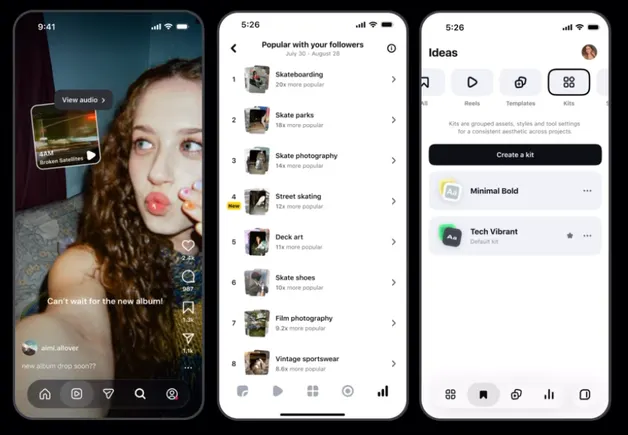
A recurring topic during both Mosseri and Fogu’s testimonies was Instagram’s “take a break” feature, designed to remind users to pause their scrolling. According to Meta’s data, only 1.8 percent of Instagram users opted into this feature when it was launched in 2021. Fogu, who continues to work at Meta, expressed uncertainty regarding the accuracy of this statistic.
At one point, Judge Yvonne Gonzalez Rogers inquired whether Fogu knew the highest adoption rate for the “take a break” feature. Fogu admitted he did not know. The judge pressed, “You lead this initiative, yet you are unaware of its highest adoption rate?” Fogu responded, “I don’t create the dashboards for data collection. Reading data isn’t part of my role. I rely on my team.” Judge Rogers pointed out, “Despite your need to trust your team and design features, you remain unaware of these critical numbers?”
Fogu was not the only witness to discuss the “take a break” feature. The jury also heard from George Volichenko, a former data scientist at Meta, who described the feature’s initial adoption rate among teens as “very low and disappointing” after its introduction in 2022. He reported that early data showed only 0.165 percent of teens opted to take a 10-minute break from Instagram, though this number later rose to 0.2 percent. He characterized the feature as “easy to dismiss.”
Mosseri faced scrutiny regarding the “take a break” feature and its adoption rates. He appeared frustrated with the focus on this specific feature, stating, “This is just one feature with a disappointingly low usage rate, which has been significantly improved.” He emphasized that Instagram’s teen accounts, now mandatory for users under 16, come with default time limits. “There are numerous effective features, as well as many that are not,” he added. “Currently, only 2 percent of users post a photo or video on Instagram.”
Mosseri is the first high-profile executive from Meta to testify in this trial, which could have significant implications for the company. The state lawyers are seeking penalties amounting to $1.4 trillion and aiming to compel Meta to modify how its applications are designed. CEO Mark Zuckerberg is also anticipated to testify, along with other current and former employees. Mosseri’s testimony will continue on Wednesday.


 Daniel Mercer