 David Bridges
As Elon Musk transitions into a prominent political role, serving as an influential advisor in the Trump Administration, the international backlash against him is intensifying. This growing resistance may pose serious challenges to his extensive business ventures, impacting everything from his innovative technologies to his financial investments.

Simultaneously, several U.S. companies are strategizing to maintain favorable relations with Musk to avoid potential scrutiny and punitive measures stemming from Trump’s increasingly aggressive governance style. This delicate balancing act highlights the complex interplay between politics and business in today’s landscape.
The pivotal question remains: Will Musk’s political maneuvers yield positive results for his X initiative, or will the escalating backlash against him outweigh any conceivable benefits?
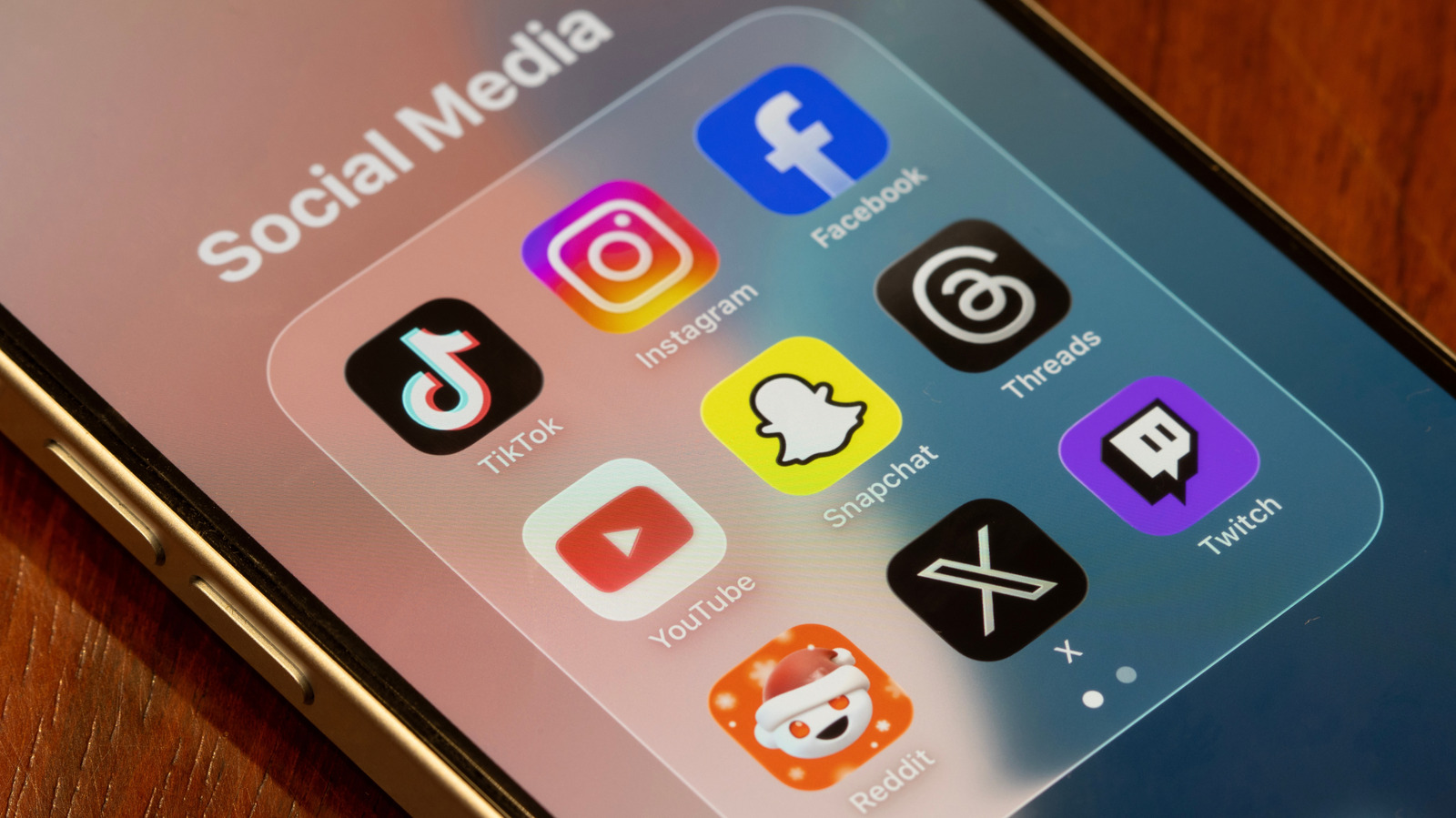
Recent reports indicate that X is encountering significant financial hurdles, with projections suggesting a potential loss for the fiscal year 2024. Since Musk’s acquisition of the app in 2022, X has faced a steady decline, largely attributed to his controversial positions and the resulting unease among advertising partners.
This decline has led to a dramatic reduction in X’s advertising revenue, a scenario Musk himself anticipated. However, he had hoped to offset this downturn by increasing subscription revenue, which would provide a more stable income stream for the app.
Unfortunately, the anticipated uptick in subscriptions has not materialized, prompting X to explore innovative strategies to revive its advertising business and attract more advertisers back to the platform.
Interestingly, Musk’s political involvement appears to be having a positive effect in some respects, as certain major brands are now reconsidering their advertising strategies on X.
For instance, reports suggest that Amazon, which previously paused its advertising expenditures on X in 2023, is now planning to resume its full advertising initiative. Additionally, Apple is re-evaluating its earlier decision to withdraw its advertising from the platform, indicating a shift in corporate sentiment.
Moreover, Apple has improved its iOS connectivity options, allowing T-Mobile users to connect via Starlink, a company under Musk’s umbrella. Similarly, Visa has announced plans to collaborate with X on its upcoming payments program, further establishing its relationship with the platform.
In parallel, X has expanded its legal actions against a boycott initiated by the Global Alliance for Responsible Media (GARM) in 2023, targeting advertisers who withdrew their support from the platform.
In August, X announced its intention to pursue legal action against GARM and its chief organizer, the World Federation of Advertisers (WFA), alleging the existence of a coordinated boycott that has severely impacted one of the most popular social media platforms in the United States.
This legal strategy, which involves suing advertisers for their decision not to purchase ads on the platform, raises eyebrows. However, X contends that GARM orchestrated this boycott to compel Twitter (now X) to adhere to its Brand Safety Standards.
After X resisted compliance with industry norms, GARM allegedly advised brands to halt their advertising on the platform, leading to significant financial repercussions for X. The platform asserts that GARM’s actions lacked justification, prompting its legal response against the organization and naming various prominent brands that ceased their advertising on X.
The initial lawsuit specifically named brands such as CVS, Mars, Ørsted, and Unilever, although Unilever was subsequently removed after reaching a separate agreement with X.
Recently, X has expanded its list of defendants, adding Nestlé, Abbott Laboratories, Colgate, Lego, Pinterest, Tyson Foods, and Shell to the ongoing legal proceedings.
It appears that X’s strategy focuses on leveraging these notable brand names within the lawsuit, aiming to pressure them into addressing the allegations to avoid negative publicity.
With Musk gaining increasing influence within the Trump Administration, this strategy might exert additional pressure on these brands, potentially leading to a resurgence in advertising revenue for X and helping stabilize its financial position.
This tactic of naming and shaming could indeed entice more domestic advertisers back to X, especially given the looming threat of regulatory measures under the Trump administration.
However, Musk’s political maneuvers do not seem to yield the same results on an international scale, where his actions are prompting different reactions.
Musk’s political aspirations are prompting Canadian officials to distance themselves from his enterprises, while audiences in Germany and Poland are expressing their discontent, and criticism is also emerging from the United Kingdom.
Trump’s “America First” policy is likely to incite ongoing trade tensions with various regions, and Musk’s association with this agenda could lead to a broader backlash against his business interests worldwide.
This scenario poses a significant risk for Musk, as his polarizing views may adversely affect his commercial endeavors. It remains to be seen whether the benefits he gains in the U.S. will outweigh potential losses internationally, particularly in attracting advertising revenue from crucial markets.
Regardless, Musk has alternative routes to sustain X’s operations. He may consider investing additional personal capital from Tesla into X, or he could redirect funds from xAI to support X, compensating the platform for the data it provides for his AI initiatives.
Consequently, X is unlikely to face imminent closure, but Musk’s political involvement is poised to intensify the pressures on his business interests.
Ultimately, it is possible that Musk’s political journey could lead to increased government subsidies and funding for his enterprises, alongside reduced regulatory burdens. There is also speculation that Musk could position X as a central platform for government operations, a concept fraught with ethical dilemmas and conflicts of interest. Nevertheless, it is conceivable that X might evolve into an “everything app” for managing government records.
In any case, this situation warrants close attention as Musk continues to pursue his political ambitions.


 Maya Kensington