 Ethan Carter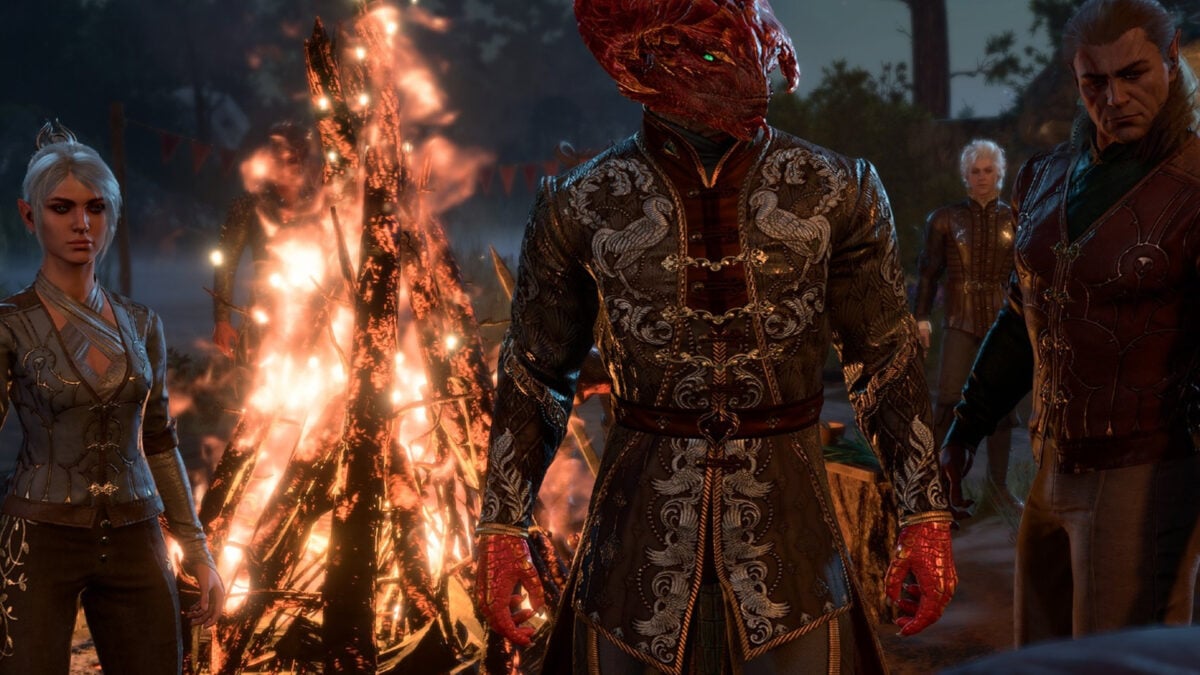
Baldur’s Gate TV Series: A New Chapter in Gaming Adaptations
The upcoming Baldur’s Gate TV series is a collaboration between HBO and Hasbro, set immediately after the events of the critically acclaimed role-playing game, Baldur’s Gate 3. This adaptation will be helmed by Craig Mazin, known for his work on HBO’s successful video game adaptation, The Last of Us. The series promises to explore new narratives while respecting the rich lore established in the original games.

This collaboration aims to capitalize on the immense popularity of Baldur’s Gate 3, which was released in 2023. The game has received widespread acclaim for its storytelling and character development. As Hasbro takes charge of this television project, they hope to create a compelling continuation that resonates with both fans of the franchise and newcomers alike.
- Casting Challenges: The show must address fan expectations regarding beloved characters.
- Narrative Direction: Balancing player-driven choices from the game with a cohesive storyline poses unique challenges.
- Character Customization: Adapting Tav, the customizable protagonist, into a fixed narrative format requires careful consideration.
Who Are the Key Players Behind Baldur’s Gate?
The production team includes notable figures such as Jacqueline Lesko and Cecil O’Connor alongside Craig Mazin as executive producers. Additionally, Gabriel Marano from Hasbro Entertainment lends his expertise to ensure alignment with brand values. Chris Perkins, former senior story designer for Dungeons & Dragons at Wizards of the Coast, serves as a consultant on this project. His involvement adds depth to maintaining fidelity to D&D lore while crafting engaging television content.
What Challenges Does HBO Face in Adapting Baldur’s Gate?
The transition from video game to television presents several hurdles for HBO and Hasbro. One significant challenge lies in meeting fan expectations regarding character portrayals from Baldur’s Gate 3. Fans have developed strong attachments to voice actors who brought these characters to life during gameplay. Furthermore, establishing a “canonical” conclusion that addresses player choices without alienating audiences is crucial for success.
How Will Storytelling Differ Between Game and Series?
A key difference between gaming experiences and scripted television lies in narrative structure. In video games like Baldur’s Gate 3, players make decisions that shape outcomes directly; however, traditional storytelling methods require predetermined arcs. This necessitates creative solutions for integrating multiple potential endings into one coherent storyline while maintaining engagement throughout episodes.
What Elements Contribute to Audience Engagement?
- Diverse Characters: Expanding upon existing characters will attract diverse viewers interested in complex narratives.
- Loyal Fanbase: Leveraging nostalgia can enhance viewer interest but must be balanced against new audience acquisition strategies.
- Pacing & Structure: Maintaining an engaging pace across episodes is vital for retaining viewership over time.
Cultural Impact: How Will Baldur’s Gate Influence Future Adaptations?
The success or failure of this adaptation could set precedents within entertainment circles regarding how video games are translated into other media formats. If executed well, it may encourage more studios to invest heavily in adaptations that honor source material while exploring innovative storytelling techniques suitable for television audiences.
Your Thoughts: What Do You Expect From This Series?
Your insights matter! As anticipation builds around this adaptation of Baldur’s Gate into a TV series format—what elements do you believe are essential? Share your thoughts on how best HBO should navigate these challenges!


 Daniel Mercer