Daniel Mercer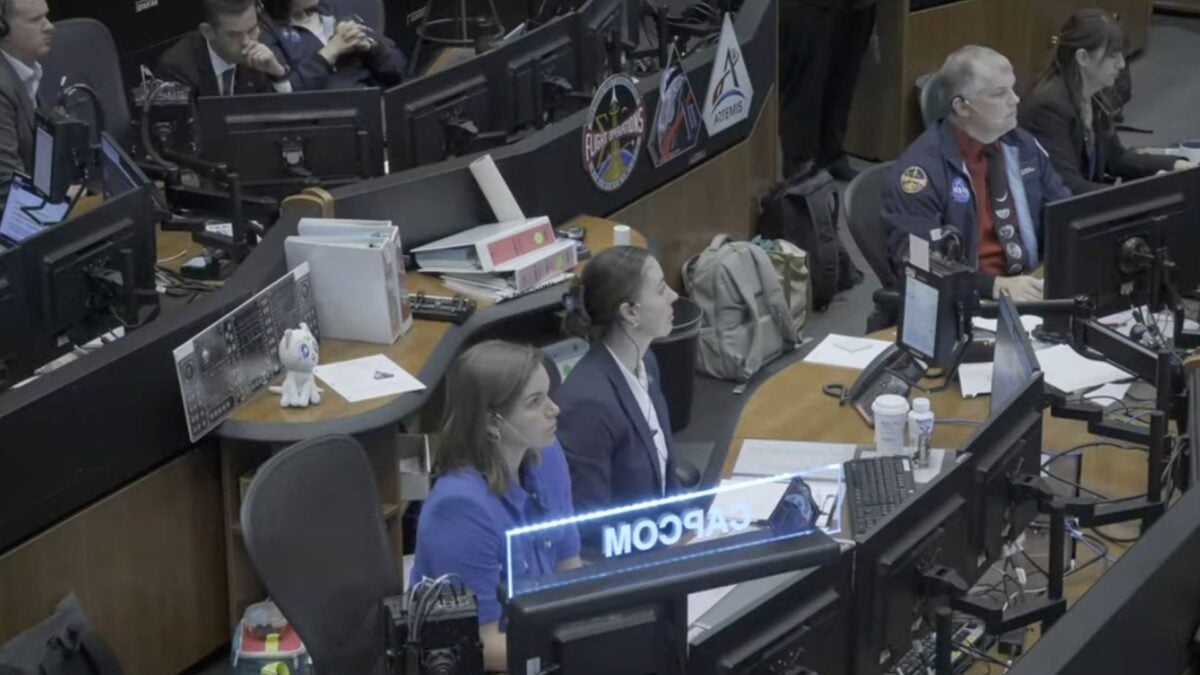
What is the significance of the Artemis 2 mission?
Artemis 2 is a crewed lunar mission because it marks the first time humans have traveled beyond low-Earth orbit since the Apollo era, which matters for space exploration enthusiasts and scientists alike. This mission is pivotal for future lunar landings and deep space exploration.

At SocialSchmuck, we specialize in Social media, Entertainment, and Technology news, helping tech-savvy audiences stay informed and engaged with the latest advancements in space exploration. Our content aims to provide insights and updates that empower our readers to understand the evolving landscape of technology and space.
Through engaging articles and real-time updates, we monetize our platform by attracting a diverse audience interested in the intersection of technology and entertainment. This guide covers the Artemis 2 mission, its trajectory, key milestones, and the implications for future space travel.
- Overview of the Artemis 2 mission
- Details on the spacecraft and crew
- Timeline of key events
- Technical challenges faced
- Future implications for lunar exploration
How did the Artemis 2 mission commence?
The Artemis 2 astronauts are now on their way to the Moon. At 7:57 p.m. ET, the Orion spacecraft completed a translunar injection (TLI) burn, making it the first crewed spacecraft to depart low-Earth orbit since the Apollo era. This maneuver involved Orion autonomously firing its main engine for just under six minutes, achieving a velocity change of nearly 1,300 feet per second.
Flight controllers and NASA Administrator Jared Isaacman monitored engine performance, guidance, and navigation data during the burn. The successful execution of this burn is a key milestone that demonstrates Orion’s capability to perform critical maneuvers independently.
| Event | Time (ET) | Details |
|---|---|---|
| Launch | 6:35 p.m. | Orion launched from Kennedy Space Center |
| TLI Burn | 7:57 p.m. | Orion completed its translunar injection |
What challenges did the crew face during the mission?
During the lead-up to launch, the crew encountered a couple of small technical issues, including a brief loss of contact between ground control and Orion. Additionally, there was a problem with the spacecraft’s toilet. NASA swiftly resolved each of these anomalies, ensuring a smooth transition into lunar flight.
As of 2026, the mission is on track, with Orion expected to enter the lunar sphere of influence on the fifth day of flight, which will be Sunday. At this point, the Moon’s gravity will become stronger than Earth’s, allowing Orion to perform a gravity-assisted flyby.
- Launch date: Wednesday
- Expected lunar rendezvous: Monday
- Gravity-assisted flyby: Tuesday
- Correction burns: Three planned between Tuesday and Friday
What will happen after the lunar flyby?
The beauty of the translunar injection is that when Orion emerges from behind the Moon on Tuesday, it will already be on a free-return trajectory back to Earth. The Earth’s gravity will naturally pull Orion home, with only three small correction burns required.
However, these dates assume that the mission proceeds as planned. As of 2026, NASA is committed to monitoring the flight closely, ensuring that all systems function optimally.
| Event | Date | Details |
|---|---|---|
| Flyby | Tuesday | Orion will observe the lunar surface |
| Return to Earth | Friday | Orion will splash down |
How can you follow the Artemis 2 mission?
Gizmodo will be tracking the flight all the way through to splashdown. You can follow along via our live blog. Now that humanity is officially en route back to the Moon, you’ll be experiencing history in the making.
Stay tuned for more updates as we continue to cover this groundbreaking mission and its implications for the future of space exploration.