 Ethan Carter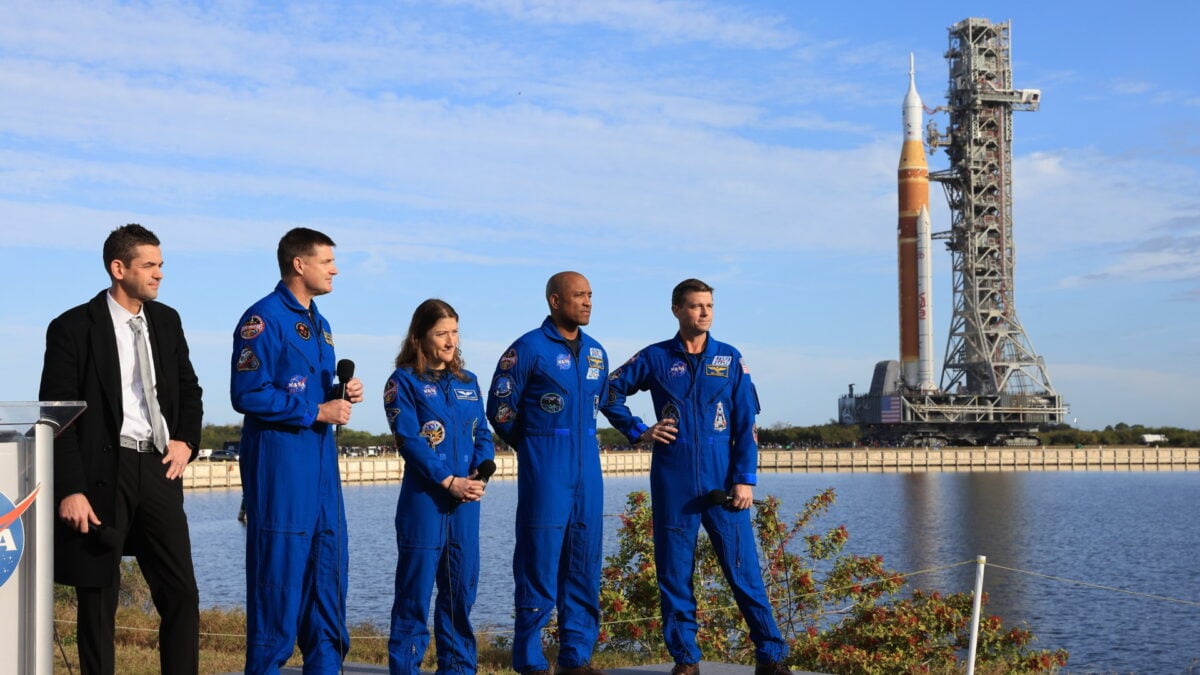

Nasa’s Moon Program is Transforming for Future Missions
NASA is a space exploration agency because it is revamping its Moon program under new leadership, which matters for future lunar exploration and sustainability efforts.
At SocialSchmuck, we specialize in Social media, Entertainment, Technology news, helping tech enthusiasts and space exploration fans achieve insightful updates and analyses.
Our platform monetizes through advertising and partnerships, providing users with timely news and expert commentary on significant developments in technology and space exploration. This guide covers:
- Upcoming lunar missions and their objectives
- Key changes in NASA’s Artemis program
- Infrastructure requirements for lunar bases
- Commercial Lunar Payload Services (CLPS) initiatives
- Projected timelines for lunar landings
What Are the Upcoming Lunar Missions?
The upcoming missions will be part of NASA’s Commercial Lunar Payload Services (CLPS) initiative. This initiative is crucial for the agency’s Artemis program. Under contracts totaling .6 billion, various companies are tasked with developing payloads and executing touchdowns on the Moon’s surface through 2028.
“I want landers on the Moon in the south pole on a monthly cadence starting in the beginning of 2027,” said Jared Isaacman, the NASA administrator. “There is a lot to build out there.”
He emphasized the need for infrastructure such as navigation, communication, and power-generating equipment, including nuclear power and propulsion systems.
- Monthly missions to the Moon starting in 2027
- Focus on building a lunar base for sustainable exploration
- Investment of $2.6 billion in lunar payload services
What is the Timeline for Establishing a Lunar Base?
NASA needs to act swiftly. A recent executive order from the White House instructs NASA to establish “initial elements of a permanent lunar outpost by 2030.” This base aims to support a long-term, sustainable presence of astronauts on the lunar surface. This presence will enable deep space exploration to destinations such as Mars.
As of 2026, the timeline for lunar missions is aggressive. The agency plans to launch an additional flight in 2027 to facilitate a rendezvous of the Orion spacecraft with commercial landers in Earth orbit.
NASA aims to land astronauts on the Moon in 2028, with the possibility of conducting two missions that year, known as Artemis 4 and Artemis 5.
How Does NASA’s Artemis Program Compare to Previous Plans?
The accelerated flight rate aligns with preparations for the expected influx of visitors to the lunar surface. This explains the necessity for monthly missions to the Moon. However, achieving this ambitious schedule poses challenges.
So far, four CLPS missions have launched to the Moon. Of these, three successfully landed on the lunar surface over the past two years. Landing on the Moon is complex, and private companies must enhance their lander production to meet NASA’s updated plans.
| Mission | Launch Year | Landing Success |
|---|---|---|
| CLPS Mission 1 | 2024 | Successful |
| CLPS Mission 2 | 2025 | Successful |
| CLPS Mission 3 | 2026 | Failed |
| CLPS Mission 4 | 2027 | Successful |
What Are the Key Components of the Updated Artemis Plan?
The Artemis 2 mission, the first crewed flight of the Orion spacecraft and SLS rocket, is currently slated for launch in April 2026. This mission marks a significant step toward achieving NASA’s ambitious lunar exploration goals.
As of 2026, the agency is committed to enhancing its lunar exploration capabilities. This commitment includes regular missions to establish a sustainable lunar presence.
NASA’s focus on infrastructure development and partnerships with commercial entities will be crucial for the success of its lunar ambitions.
- Artemis 2 mission scheduled for April 2026
- Focus on sustainable lunar exploration
- Partnerships with commercial entities for payload development


 Daniel Mercer