 Ethan Carter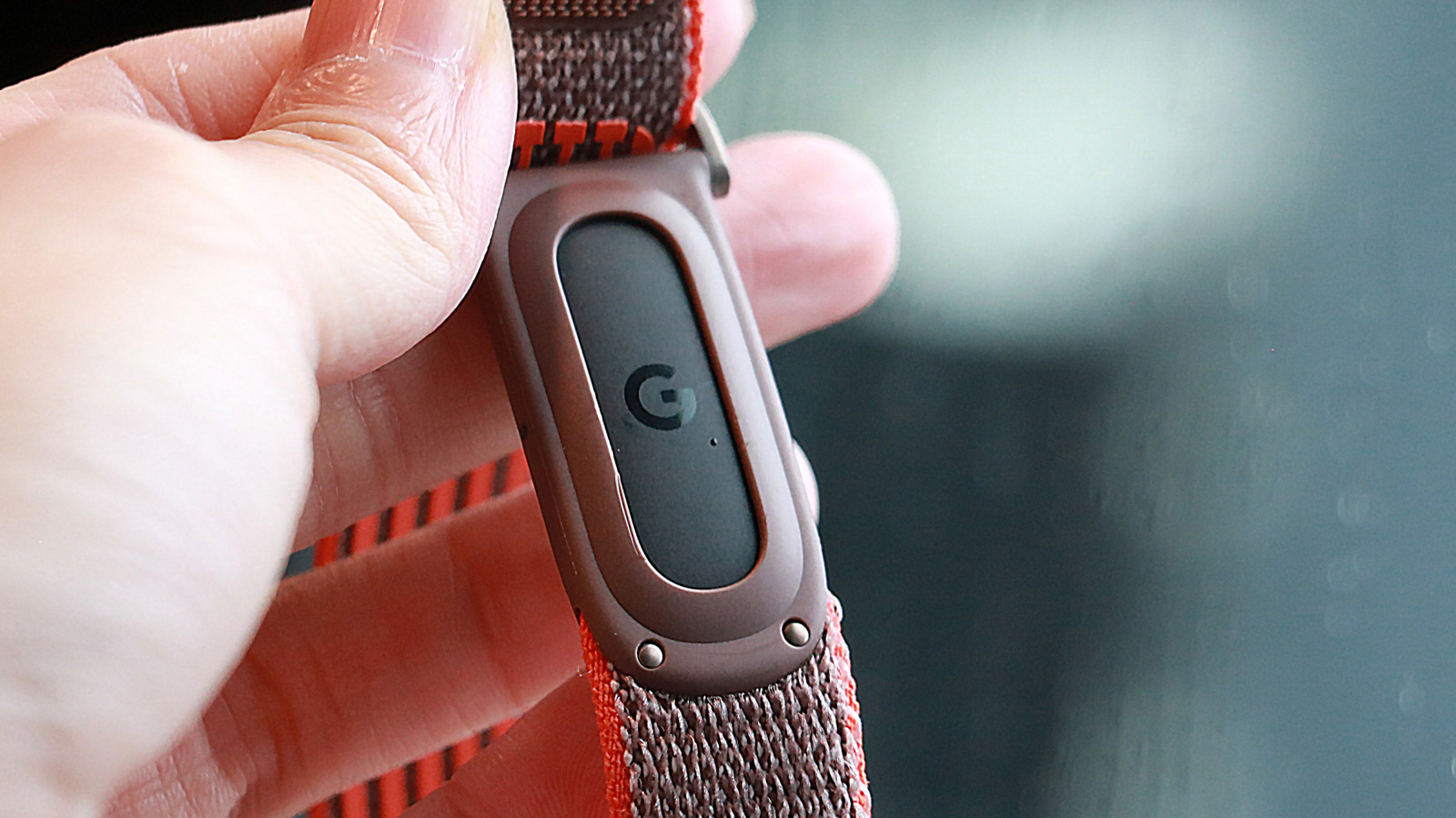

Google Empowers Users to Create Custom Accessories for Fitbit Air
Google is inviting all users to design their own accessories for the Fitbit Air, extending this opportunity beyond just brands and companies. The tech giant has made available the technical specifications of the tracker, including detailed 2D CAD drawings. These resources are invaluable for anyone looking to create accessories that seamlessly fit the device. The blueprints provide exact measurements along with essential mating dimensions, tolerances, and specifications for the necessary mating force to ensure proper band creation.
In their announcement, Google emphasized the uniqueness of personal style, stating, “We know that your personal style is entirely unique – and in just a few short days, this community has already come up with innovative and creative new ideas to make the Fitbit Air your own.” They also provided key guidelines to maintain device performance, such as ensuring consistent skin contact with the tracker to optimize the functionality of heart rate and SpO2 sensors.
Beyond just measurements, Google highlighted the necessity of using skin-friendly materials to prevent irritations and allergic reactions. They specified the restricted substances requirements, mandating that copper and brass alloys be lead-free and that natural latex must be devoid of allergenic proteins.
The Fitbit Air debuted at a price point of $100 in early May. This device, which lacks a screen, is similar to earlier Fitbit models and stands to compete significantly with Whoop. It connects to the Google Health app—previously known as the Fitbit app—and the Gemini-powered Coach, allowing users to access their fitness data and receive personalized workout recommendations on their smartphones. Since its launch, many enthusiasts have begun creating and 3D printing their own accessories, such as armbands, to enhance their Fitbit Air experience.


 Daniel Mercer