

 Ivy Caldwell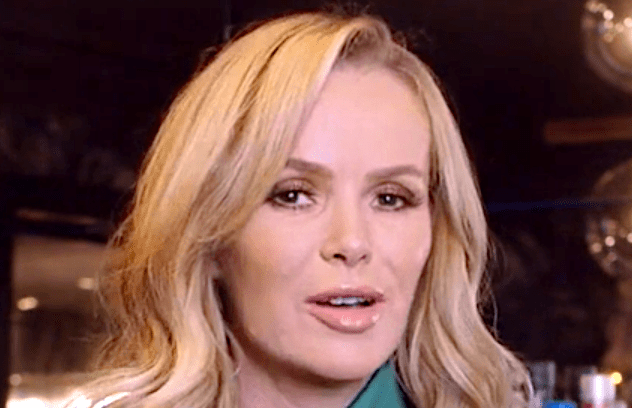

Amanda Holden has bravely carried a profound grief over the past fourteen years, a burden that many may not fully comprehend while she appears on a popular panel show. Tragically, her son Theo was stillborn at seven months in 2011. Recently, the Britain’s Got Talent judge openly acknowledged a significant truth: Alesha Dixon is one of the key reasons she has managed to endure these challenging years.
There was no grand intervention or dramatic display. Instead, it was simply a co-worker who evolved into a true friend, consistently present when the bright lights dimmed and the cameras ceased rolling. This aspect of their relationship deserves deeper exploration, as it exemplifies the kind of support that many find difficult to provide but is desperately needed during tough times.
Discover the Power of a Non-Judgmental Friend
What often gets overlooked in headlines is that Amanda did not express that Alesha provided her with profound advice or wise words. Rather, she highlighted that Alesha was simply there for her during her darkest moments. Alesha’s presence was quiet, reliable, and free from any expectations or scripts. This level of support is remarkably rare, occurring for reasons that many people hesitate to acknowledge.
Such unwavering presence is uncommon, and it remains scarce due to the discomfort that arises when confronting another’s pain.
When someone we care about experiences a devastating loss—be it a child, a relationship, or even their sense of self—our innate response can become one of low-grade panic. We internalize their suffering, and it becomes unbearable. Consequently, our reactions often involve problem-solving or offering unsolicited advice. We might send a meal train link or utter the phrase, “everything happens for a reason.” Alternatively, we may distance ourselves under the guise of giving them space.
In my therapy practice, I observe this dynamic repeatedly among couples. One partner endures pain, while the other, despite their love, struggles to remain present with that anguish. Instead of simply being there, they adopt a fix-it mentality, offering distractions or minimizing the situation, or they withdraw altogether. This behavior teaches the grieving partner, often for life, that their sorrow is unmanageable for those closest to them.
What Alesha seems to have accomplished, which profoundly resonates with Amanda’s heartfelt tribute, is the ability to stay close to the pain without attempting to diminish it. This skill is rare and reflects a form of love that most adults do not acquire.
Why Do We Avoid Others in Pain?
Let’s confront the reality of why this situation is so challenging. When a friend or partner is engulfed in unbearable pain, being present with them forces us to face two uncomfortable truths: our own feelings of helplessness and the unsettling realization that this could also happen to us.
For high-functioning individuals, such as those like Amanda Holden and Alesha Dixon, who manage companies, households, and creative enterprises, the sensation of helplessness can be excruciating. They are wired to act and solve problems, so when faced with a situation that defies resolution, the instinct is either to attempt to fix it or to escape from it altogether.
I frequently see couples enter therapy years into their partnership, still grappling with the repercussions of one partner needing the other merely to be present during a time of crisis, but instead receiving unsolicited advice or a podcast suggestion. The core wound is often not the initial loss itself but rather the profound sense of isolation that follows.
If you’ve ever questioned why your closest relationships seem to grow distant during times of significant hardship, it may be beneficial to explore your attachment styles. Most individuals are not intentionally avoiding their loved ones; rather, they are evading the discomfort that arises from being unable to help. This distinction holds great importance.
Additionally, Alesha demonstrated a remarkable quality by not centering the friendship around her own discomfort. She didn’t require Amanda to showcase her healing journey to ensure Alesha felt comfortable. There were no demands for updates or acknowledgments; Alesha simply continued to show up. This kind of friendship is rooted in genuine connection, as emphasized in the relationship research I trust, which highlights that secure bonds thrive on consistency during challenging times rather than on saying the right thing.
What Are the Best Ways to Support Someone Who is Grieving?
If someone in your life is navigating the profound waters of grief, research and over two decades of clinical experience provide clear insights. Surprisingly, these insights often contradict our instinctual responses.
Firstly, stop striving to articulate the perfect words. They simply do not exist. A heartfelt statement like, “I don’t know what to say, but I’m here,” carries far more healing power than any carefully crafted phrase, religious scripture, or optimistic spin you might offer. Those who are grieving do not seek eloquence; they long for the comfort of companionship.
Next, prioritize asking over assuming. Phrasing your inquiry as, “Would you like to talk about Theo today, or would you prefer discussing something else entirely?” restores agency to the grieving person. Individuals in mourning often feel reduced to a mere topic of conversation; being asked reinstates their identity.
Additionally, remember significant dates—birthdays, anniversaries of loss, or the day of diagnosis. Many friends refrain from reaching out during these times, fearing they might “remind” the grieving individual of their loss. The reality is, they have not forgotten. A simple message on a difficult day expressing, “Thinking of you and Theo,” can be a cherished gift. Silence often becomes a wound.
Lastly, aim to show up with small, consistent gestures rather than grand displays. One coffee date each month over a decade holds greater significance than a single large gesture three weeks post-loss. Grief is not a sprint; it requires a long-term, quiet companionship, and those who comprehend this become irreplaceable.
This seems to be the support that Alesha provided Amanda—not a rescue, but a steadfast presence.
The Essential Commitment to Being Present
Many people mistakenly believe that the pinnacle of love lies in knowing the right words to say. In truth, the highest form of love is embodied in being that person whose mere presence alleviates the loneliness of unbearable situations. Amanda Holden suffered the devastating loss of her son. While she could not bring him back, she did gain a friend who stood unwaveringly by her side. Fourteen years later, she continues to honor that friendship in interviews, highlighting the enduring legacy of someone who mastered the art of presence.
______________________________________________________________________________________
Figs O’Sullivan serves as a couples therapist and a renowned relationship expert, working with both celebrities and professionals in Silicon Valley. He is the founder of Empathi and developed Figlet, an AI relationship coach trained based on his clinical insights.



 Sophie Langley



