David Bridges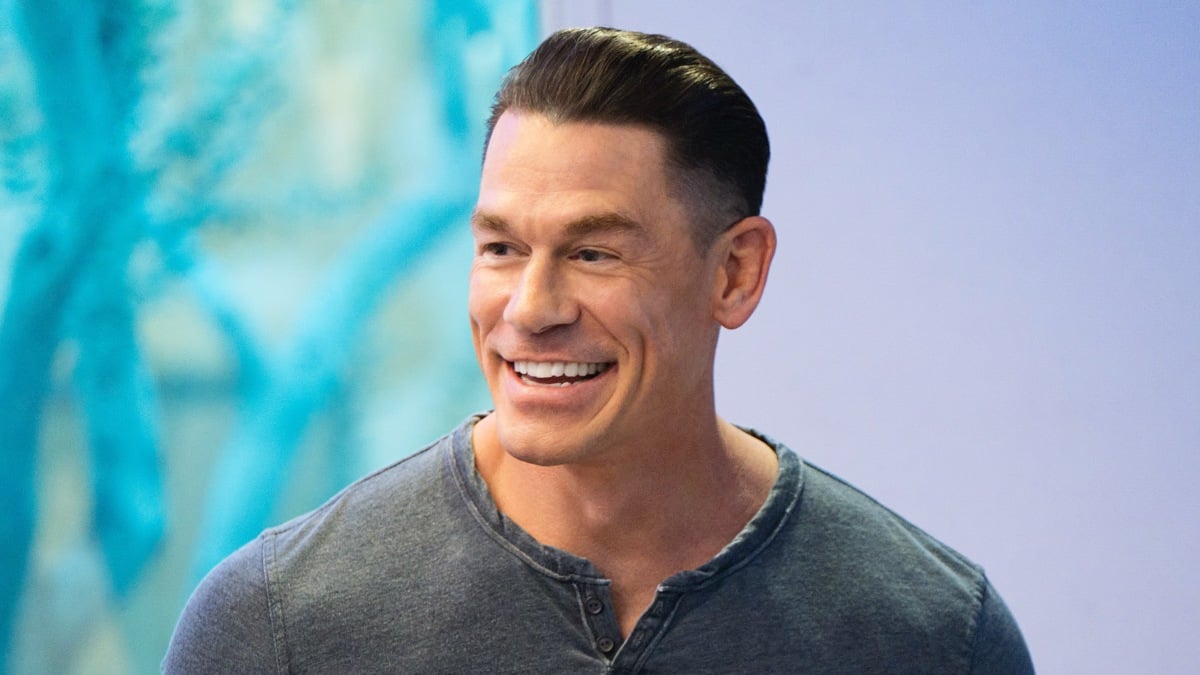

After an incredible journey of 25 years in the wrestling arena, John Cena is set to retire from in-ring action later this year. Despite stepping back from wrestling, this beloved WWE superstar and rising Hollywood star has a wide array of exciting projects lined up. Cena has been a key part of Vin Diesel’s Fast & Furious franchise for two films and counting. Additionally, he has taken on hosting duties for various game shows, including Are You Smarter Than a Fifth Grader, Wipeout, and American Grit. Furthermore, he shines in the superhero series Peacemaker, which is making a comeback on Max this August. Notably, his latest venture is the Roku reality series What Drives You, which he also executive produced, and it truly sets itself apart from his previous projects.
The series creatively blends elements reminiscent of Comedians in Cars Getting Coffee and MTV Cribs, offering a fresh take on the format with Cena at the wheel. Although the concept may not be entirely new, Cena’s charismatic presence infuses the show with a delightful energy. Each 20-minute episode features quick editing and an energizing soundtrack that evokes the vibe of mid-2000s VH1. Cena kicks off each episode by introducing the premise and then embarking on a drive with a celebrity guest from their home to a favorite locale. This seemingly simple format fosters an unexpected level of intimacy, largely thanks to Cena’s genuine and self-deprecating charm that resonates with viewers.
The first four guests featured on the show mirror Cena’s own journey, as they too navigate the exciting intersection of wrestling and Hollywood. Among them is YouTube sensation Logan Paul, who has recently achieved success in WWE as the United States Champion. Another guest is Mike “The Miz” Mizanin, who transitioned from MTV’s The Real World to wrestling through WWE’s reality show Tough Enough, culminating in a main event appearance at WrestleMania (against Cena, no less). The lineup also includes musical talents like country rapper Jelly Roll and Travis Barker, drummer of Blink-182, both of whom have graced WWE’s grandest platforms with their performances.
However, one may wonder if What Drives You can truly be classified as a wrestling show or even something closely related to wrestling. Cena shared insightful perspectives on this topic during our conversation, often using car-related metaphors to describe wrestling’s cultural significance. For instance, he likened wrestling to a “parking spot” in people’s minds, implying that it occupies a unique and recognizable space in their memories. Whether stemming from media training or a Freudian slip, this quirky analogy adds an entertaining layer to the discussion. Cena also elaborated on how the show’s unique camera setup enhances its authenticity, particularly in today’s complex landscape of reality television and the realm of sports entertainment, as WWE is often characterized.

This interview has been edited for length and clarity.
Mashable: The Impact of Wrestling in Popular Culture: Exploring the Connections on What Drives You
John Cena: I believe it’s more of the latter regarding our guest selection. WWE and the broader realm of sports entertainment encompass a vast audience, influencing countless individuals. I find it fascinating; everyone I encounter seems to have their own wrestling story or a connection to sports entertainment. They often reminisce about a specific era, sharing memories of icons like “Hacksaw Jim Duggan, Hulk Hogan, or the Undertaker.” It appears that wrestling has secured a unique place in people’s memories, akin to a designated parking spot in their minds. Its reach is extensive, and our environment encourages guests from all walks of life to join in the vibrant energy and enthusiasm that it fosters.
Utilizing Cars as a Gateway: Understanding Personalities Through Their Vehicles on What Drives You
You’re quite close to the mark in your observation. As humans, we possess an innate ability to make snap judgments. When we see a car and the person driving it, we often form assumptions about their personality. I find it intriguing to challenge these snap judgments, especially in non-threatening situations, as it allows for enlightening conversations. Through this process, we discover whether our assumptions are accurate, slightly misguided, or completely off base. It’s all about digging deeper and opening up a dialogue, which is at the heart of the show.
Mashable Top Stories
I view a car as a personal statement, much like a fashion choice. It reflects something about who we are, although owning a flashy hypercar or a rugged pickup truck isn’t a requirement. Even opting for a rideshare can lead to others forming assumptions about you. The key is to avoid speaking in absolutes and instead, ask thought-provoking questions. This approach encourages guests to share their perspectives, fostering meaningful exchanges that define the essence of the show.
Creating Intimacy Within the Vehicle: Facilitating Genuine Conversations on What Drives You
The setting plays a crucial role in establishing a comfortable atmosphere. In traditional press interviews, there are often multiple cameras and bright lights, which can create a tense environment. However, filming in a car significantly alters this dynamic. The cameras are compact and strategically placed to ensure they don’t obstruct the driver’s view, while the car’s microphone is discreetly hidden in the console. This setup allows us to capture clear audio without being intrusive, creating a familiar environment for our guests.
As we embark on our drives, the atmosphere naturally relaxes everyone involved. It becomes one of the most comfortable settings for interviews, as the presence of the cameras fades away. This ease allows for authentic conversations to flow, eliminating the pressure for guests to perform or entertain. Once the car doors close, it’s just us, creating a genuine space for connection.
Authenticity in the Spotlight: Balancing Realness and Performance in Media Engagements
It’s impressive how personal and authentic the conversations become. In the world of entertainment, especially with my experiences in wrestling and film, there’s often a push for authenticity. However, one must also navigate the pressure to present a manufactured version of oneself. Coming from wrestling, where the lines between reality and fiction often blur, I’ve learned to embrace my true self. After nearly 25 years in WWE, if you attempt to maintain a facade, your audience will inevitably see through it.
In WWE, we often say that the most successful performers are those who can amplify their true personalities to an extraordinary level. I believe this resonates strongly with audiences; they connect with the most authentic versions of themselves. Spending substantial time with fans allows them to discern genuine personalities, as they are astute observers.
Throughout my journey, there have been moments where I experimented with different facets of my personality, occasionally veering away from authenticity. However, over time, this long journey reveals my true self to those who follow my career.
What Drives You premieres Jan. 21 on the Roku Channel.
var facebookPixelLoaded = false;
window.addEventListener(‘load’, function(){
document.addEventListener(‘scroll’, facebookPixelScript);
document.addEventListener(‘mousemove’, facebookPixelScript);
})
function facebookPixelScript() {
if (!facebookPixelLoaded) {
facebookPixelLoaded = true;
document.removeEventListener(‘scroll’, facebookPixelScript);
document.removeEventListener(‘mousemove’, facebookPixelScript);
!function(f,b,e,v,n,t,s){if(f.fbq)return;n=f.fbq=function(){n.callMethod?
n.callMethod.apply(n,arguments):n.queue.push(arguments)};if(!f._fbq)f._fbq=n;
n.push=n;n.loaded=!0;n.version=’2.0′;n.queue=[];t=b.createElement(e);t.async=!0;
t.src=v;s=b.getElementsByTagName(e)[0];s.parentNode.insertBefore(t,s)}(window,
document,’script’,’//connect.facebook.net/en_US/fbevents.js’);
fbq(‘init’, ‘1453039084979896’);
fbq(‘track’, “PageView”);
}
}


 Daniel Mercer