David Bridges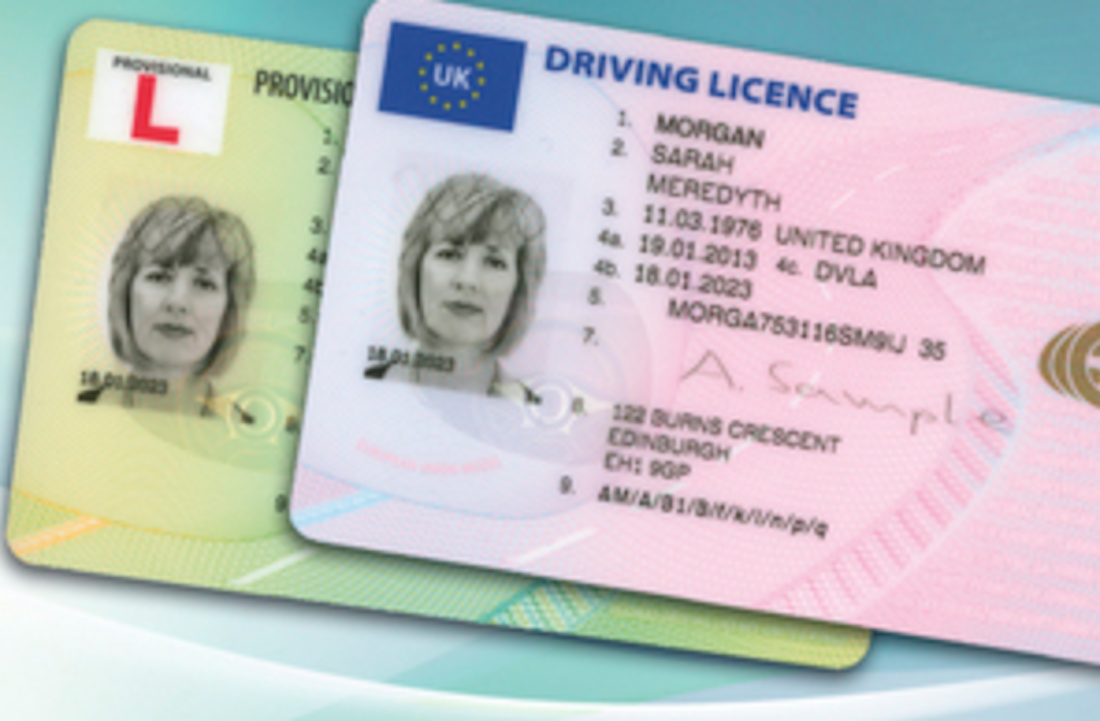
The UK is set to launch a revolutionary digital driver’s license later this year, accompanied by an innovative government-issued digital wallet. This new technology will empower individuals to “easily prove their age” when purchasing age-restricted items, whether online or in person. Additionally, it will serve as a secure means to confirm a person’s right to drive, enhancing overall convenience and accessibility for UK residents.

This digital license will be among the first documents made available through the GOV.UK digital wallet, which will also include essential documents such as Veterans Cards, Disclosure and Barring Service (DBS) checks, and a range of other credentials issued by the government. However, it’s important to note that many of these digital versions will not be accessible until the end of 2027, making this a gradual transition.
The underlying technology leverages the advanced security features of modern smartphones to enhance user privacy. To access these documents, individuals will need to undergo a facial recognition check, ensuring that the digital documents remain secure, “even if a device is lost.” The effectiveness and practicality of this security measure will be interesting to observe as the system rolls out.
Moreover, users will benefit from the option to conceal certain information while displaying their digital license. For example, the technology will enable individuals to hide their home addresses when making purchases, adding an extra layer of privacy and control over personal information.
The most appealing aspect of this initiative is that it is entirely opt-in. Traditional physical documents will still be available for those who prefer not to have their official IDs stored on their phones. UK citizens can already begin the process of applying for a license online, utilizing a stored digital photo and paying the requisite road fees.
Digital driver’s licenses are not a novel concept; numerous countries have already adopted this technology, including Australia, Denmark, Iceland, and Norway. In addition, several states in the US have implemented similar systems, showcasing a growing trend towards digital identification methods globally.


 Daniel Mercer
 Brandon Fletcher