 Brandon Fletcher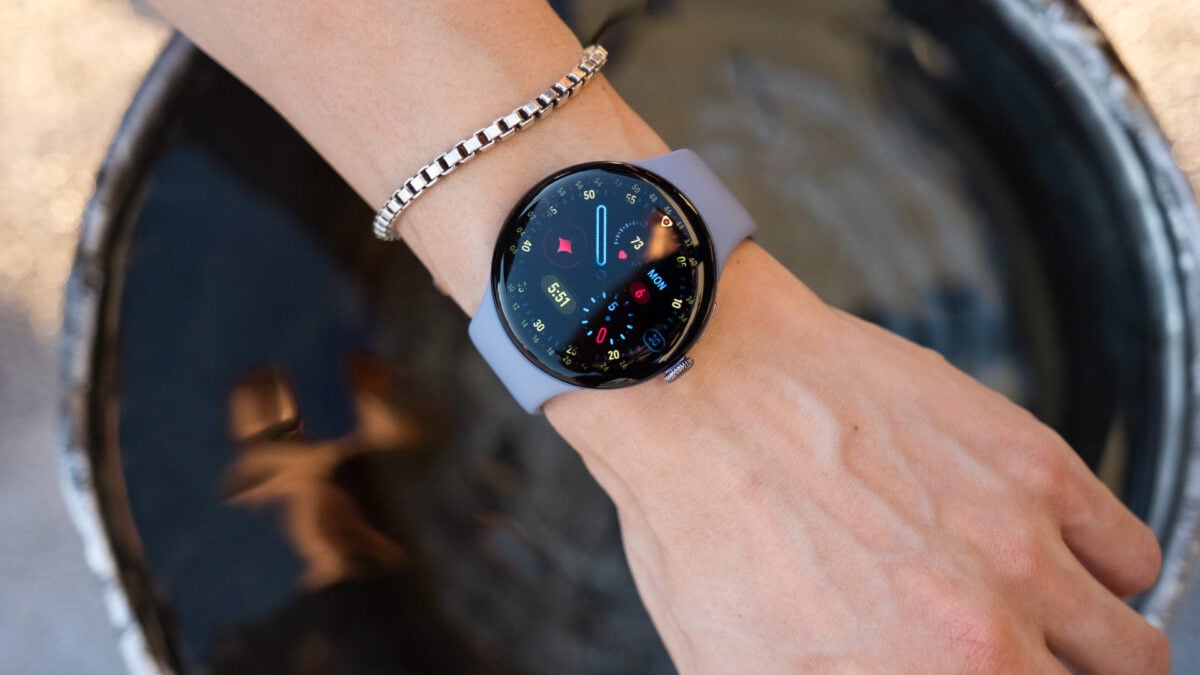

The next time you glance at your wrist, it might be because you’ve instructed your smart glasses to capture a photo or place an order for your favorite meal. With Google stepping into the realm of smart glasses—referred to as “intelligent eyewear”—the next iteration of your Android watch could transform into a secondary display for your continuously connected AI devices.
During the I/O 2026 keynote, Google offered limited insights into its upcoming Wear OS 7 update. Instead of a detailed overview, it presented a brief comparison of how its face-based devices stack up against wearables like the Ray-Ban Meta. Currently, Google is collaborating with the smart glasses manufacturer Xreal on Project Aura, which features glasses equipped with a computing puck and a screen embedded in one lens. These smart glasses aim to facilitate the use of Google’s Gemini AI directly on the device. For glasses lacking a screen, a separate device will be required to manage more complex tasks.
Google and Samsung are partnering with well-known eyewear brands Warby Parker and Gentle Monster to develop two unique pairs of “audio glasses.” This designation helps distinguish them from Meta’s eyewear. Similar to the Ray-Ban models, these glasses will include built-in cameras for capturing photos and videos. At the I/O keynote, Shahram Izadi, Google’s head of XR devices, demonstrated how images taken with these glasses can deliver notifications to a Wear OS-compatible watch, such as the Pixel Watch 4. Checking your wrist for updates is certainly more convenient than pulling your phone from your pocket to see if you captured the perfect shot.
Beyond this functionality, these glasses are designed with Gemini integration in mind. The AI will be capable of performing actions within select phone applications, including placing a complete DoorDash order without requiring you to manually select a meal. as highlighted by the forthcoming Wear OS update, you can achieve similar tasks without glasses while keeping your phone securely in your pocket. A blog post from Google for Android developers revealed that Wear OS 7 Canary will introduce new “task automation” features, allowing users to trigger specific app actions directly from their devices.
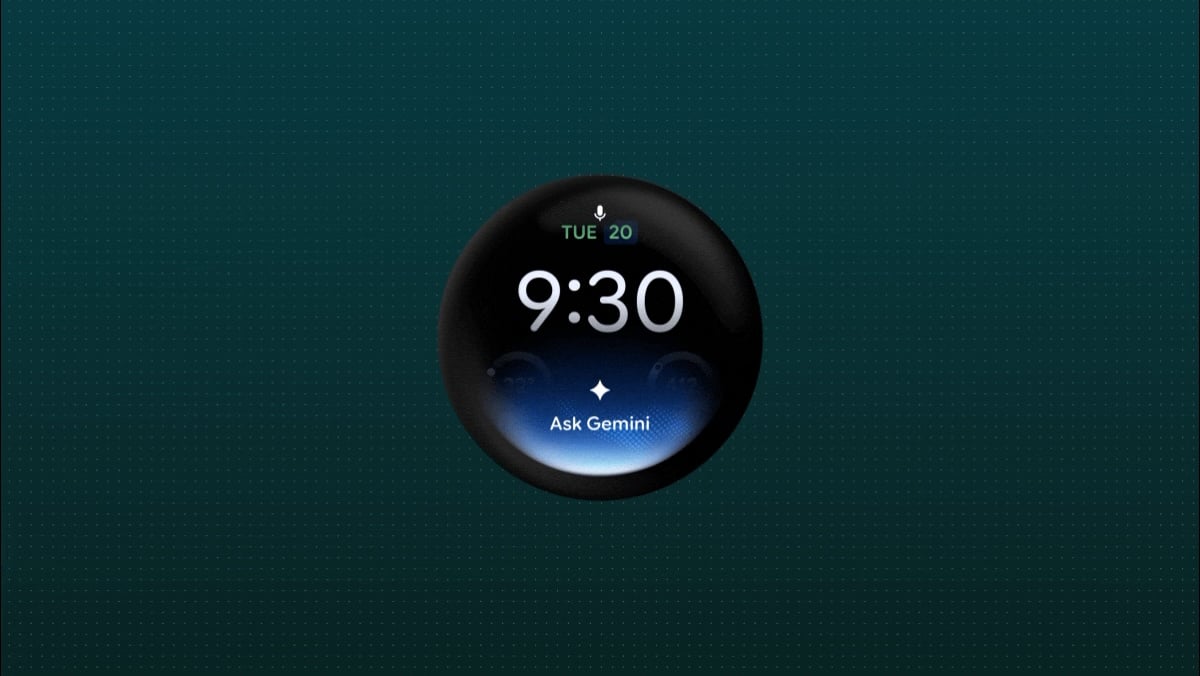
Some of the features included in the Wear OS 7 update may not seem directly tailored for glasses. The Canary update introduces customizable media controls, enabling users to determine when play, skip, and mute buttons appear for each application. the new seamless audio routing feature allows users to switch their music or podcasts to the built-in speakers of their glasses, eliminating the need to interact with their phones first.
Without having the Gentle Monster or Warby Parker glasses in hand, it’s difficult to assess the effectiveness of these features. Meta’s AI on its Ray-Ban glasses can be a frustrating and inconsistent experience, largely due to the requirement of downloading a Meta AI app on your phone. Google, leveraging its expansive Android ecosystem, has the advantage of multiple screens, making it easier to monitor the AI’s performance. To fully embrace this new AI-driven lifestyle, ownership of several of the latest devices from Google or Samsung may be necessary, which could leave you looking like a cyborg yourself.


 Daniel Mercer