 David Bridges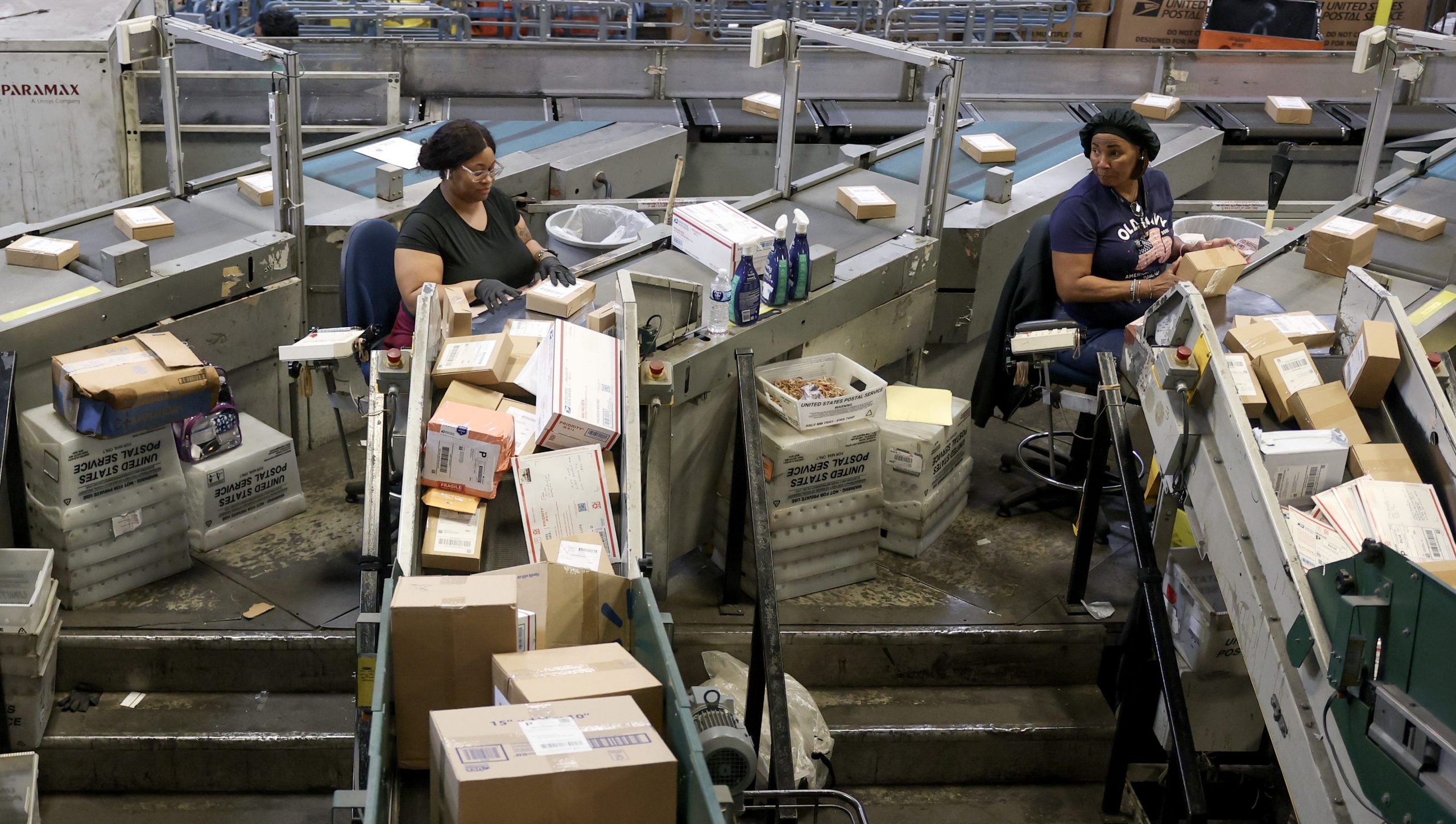

When Donald Trump announced a significant 10% tariff on Chinese goods, it sent shockwaves through the Postal Service and resulted in a brief halt to package deliveries. This unexpected move raised numerous questions about the implications for consumers awaiting their shipments from China. To understand the full scope of this development, it’s essential to stay informed about the changes and how they will impact your online shopping experiences. Below, we will delve into the details of these tariffs and what they mean for package acceptance and delivery timelines.
Understanding the Recent Suspension of Package Acceptances from China
Just 12 hours after the announcement that the United States would halt receiving packages from China and Hong Kong, the situation evolved with the resumption of shipments on February 5, 2025. According to a revised statement from the Postal Service, they are collaborating with Customs and Border Protection to establish a streamlined collection system for the newly imposed tariffs on Chinese imports. This initiative aims to minimize disruptions in package delivery services. The initial suspension was triggered by Trump’s introduction of a 10% tariff affecting all goods from China and Hong Kong, although a “de minimis” exemption was also established for international products valued under $800, allowing some packages to bypass the tariff.
China’s Strategic Response to U.S. Tariff Changes
In retaliation to the newly imposed 10% tariff by Trump, China’s finance ministry swiftly announced plans to implement its own tariffs on U.S. goods starting February 10, 2025. This includes a 15% tariff on U.S. coal and a 10% tariff on various products such as crude oil, automobiles, and agricultural equipment. These developments underscore the escalating trade tensions between the two nations and highlight the impact tariffs can have on international trade dynamics. As these tariffs come into effect, businesses and consumers alike must adjust to the changing landscape of import fees and shipping costs.
Defining Tariffs: What You Need to Know
Tariffs are essentially taxes or fees imposed by a government on imported goods. They serve as a way for countries to regulate foreign trade by making imported products more expensive, thereby encouraging consumers to buy domestically produced items. In the context of the United States, these fees are applied to imports, affecting everything from electronics to clothing. Understanding how tariffs function is crucial for consumers and businesses as they navigate the complexities of international trade and the potential financial implications on pricing and availability of goods in the market.
The Impact of Tariffs on North American Trade Relations
Despite the 10% tariff on China, the situation with Mexico and Canada has been notably different. Trump initially imposed a 25% tariff on imports from these neighboring countries but announced a change on January 3, 2025. He indicated through his Truth Social app that the tariffs on Mexico would be lifted following an agreement with President Claudia Sheinbaum, who committed to deploying 10,000 Mexican soldiers to the U.S.-Mexico border for oversight. In parallel, Canada’s Prime Minister, Justin Trudeau, also agreed to a similar arrangement, prompting Trump to pause tariffs on Canadian goods for a month. These diplomatic efforts aim to foster smoother trade relations and border security enhancements, reflecting the complexity of North American trade agreements.
[ad_2]


 Ivy Caldwell
 Sophie Langley