 David Bridges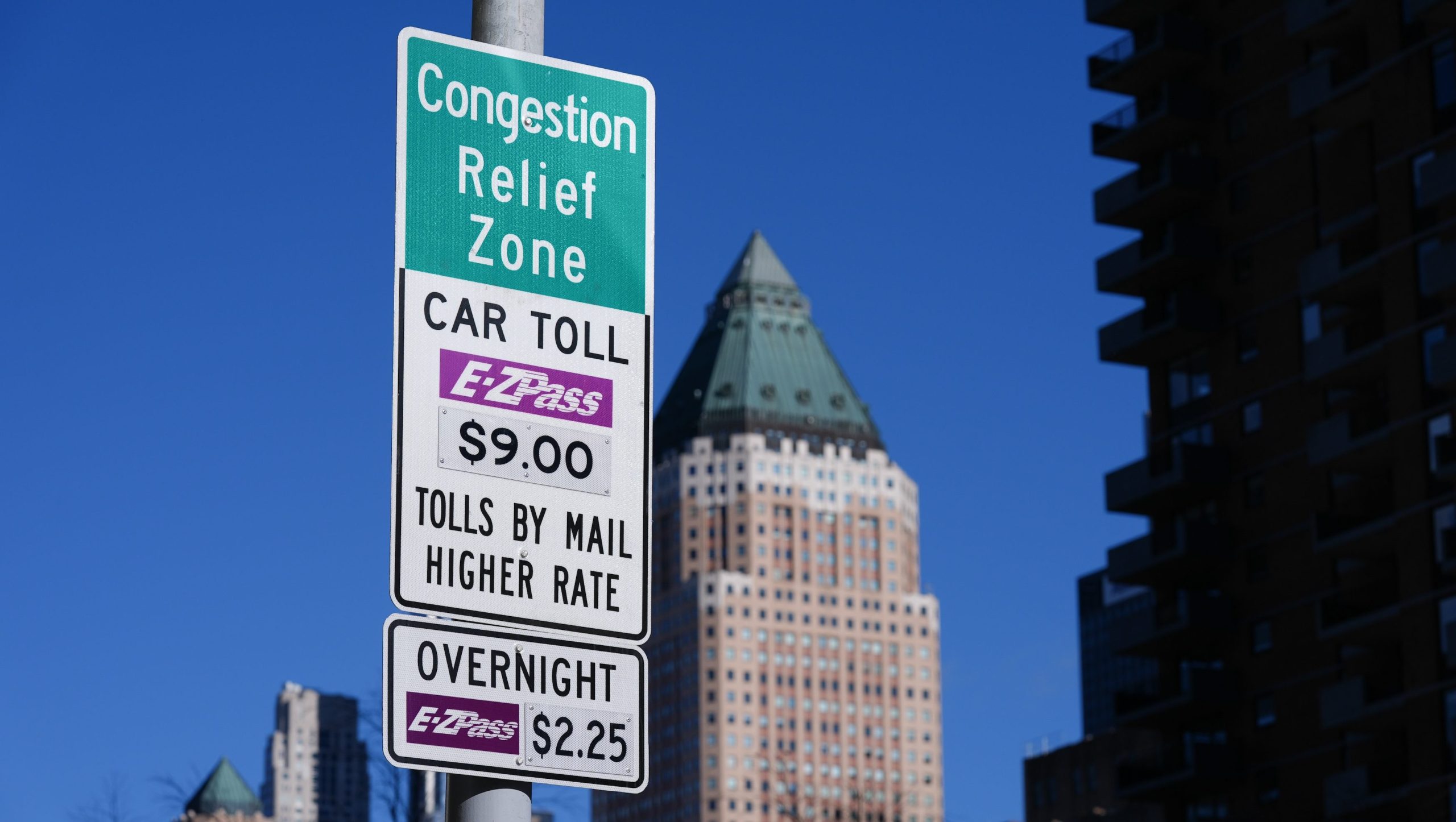

President Donald Trump boldly declared himself the “King” on social media, proclaiming that he has successfully terminated NYC’s contentious congestion pricing initiative amidst escalating costs for residents and commuters alike. His statement reflects the intense political atmosphere surrounding transportation policies in New York City.
On Wednesday, following a letter from his transportation secretary, Sean Duffy, to New York Governor Kathy Hochul, the agreement between the federal transportation department and the state regarding the new congestion pricing program for Manhattan was officially concluded. Trump took to Truth Social to express his sentiments, stating:
“CONGESTION PRICING IS DEAD. Manhattan, and all of New York, is SAVED. LONG LIVE THE KING!” His enthusiastic declaration has stirred considerable debate among the public regarding the feasibility and implications of such a drastic policy reversal.
However, uncertainty looms over whether Trump and his administration possess the authority to halt this toll program effectively. The future of these tolls and the potential legal ramifications of his claims prompt further exploration into the likelihood of the President being able to fulfill his promise to New Yorkers.
Understanding the Financial Implications of NYC’s Congestion Toll
The congestion pricing program, which commenced on January 5, imposes a $9 toll for drivers entering Lower and Midtown Manhattan, with a reduced $2.25 toll applicable during overnight hours. It’s essential to note that drivers in passenger vehicles incur the toll only once per day when entering the designated Congestion Relief Zone. For larger vehicles like trucks and buses, the toll ranges from $14.40 to $21.60 for each entry, reflecting the different impacts such vehicles have on traffic congestion.
Motorcyclists are not exempt from these charges; they are subject to a $4.50 toll during peak traffic hours and a minimal $1.05 overnight toll, also applied once daily. Understanding these costs is crucial for commuters and visitors navigating the city, as it significantly impacts their travel expenses.
Identifying the Locations Impacted by NYC’s Congestion Tolls
According to the NYC 311 website, vehicles entering the Congestion Relief Zone, which encompasses local streets and avenues in Manhattan south of and including 60th Street, are subject to the toll charges. This area represents a critical point of congestion in the city, making the tolls a significant factor in urban traffic management.
Assessing President Trump’s Capability to Abolish NYC Congestion Pricing
Trump’s assertive social media announcement has ignited a wave of mixed reactions among the public, with some individuals celebrating his decisive stance while others express strong opposition. Ultimately, the pressing question is how much genuine power the “King” holds to uphold his promise to dismantle the congestion pricing system.
Before his election, Trump made a commitment to “terminate” the congestion pricing initiative and has since faced mounting pressure from local congressional representatives to follow through. However, any attempts to halt the program may lead to a protracted legal confrontation, as both New York State and the MTA are poised to initiate lawsuits aimed at preventing any cessation of the program.
During a press conference on Wednesday, Governor Hochul addressed Trump’s dramatic “long live the king” remark made on social media, stressing the need for a more democratic approach to governance.
“I’m here to say, New York hasn’t labored under a king in over 250 years, and we are not, we sure as hell are not gonna start now. The streets of the city where battles were fought, we stood up to a king and we won then. In case you don’t know New Yorkers, we’re in a fight, we do not back down – not now, not ever,” Hochul asserted, reinforcing the spirit of resilience among New Yorkers.
Donald Trump isn’t a “king” and we won’t let him use New Yorkers as roadkill on his revenge tour.
We’ll see him in court. pic.twitter.com/kVB43hbjQu
— Governor Kathy Hochul (@GovKathyHochul) February 19, 2025
Exploring Other Major Cities with Congestion Pricing Initiatives
New York City stands as the first metropolis in the United States to implement a congestion pricing system, although similar tolling strategies have long been operational in global cities such as London, Stockholm, Milan, and Singapore. These cities have utilized congestion pricing effectively to reduce traffic congestion and improve urban air quality, serving as models for potential future implementations in other American cities.
[ad_2]



 Clara Hastings