David Bridges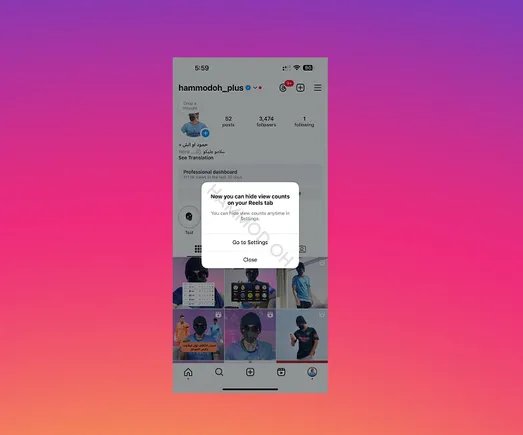

Meta is enhancing user experience on Instagram by introducing a new feature that allows users to control how their engagement metrics are displayed. This includes a test for optional view counts on Reels directly from user profiles. Additionally, on Threads, users will soon have the option to conceal their reply listings within the app, providing more privacy and control over their online presence.
Both features undoubtedly serve distinct purposes but share a common goal: empowering users to tailor their experiences on these popular platforms. By implementing these changes, Meta is responding to the evolving needs of its community and aiming to enhance user satisfaction through better control over their content visibility.
These modifications also reflect significant trends in social media interaction and the evolving metrics by which we evaluate engagement. As content consumption habits shift, understanding the implications of these changes is crucial for both users and content creators alike, as they navigate the landscape of social media.
To elaborate on the Instagram update, the platform is currently testing a feature that would allow creators to hide the view count associated with their Reels within their profile. This option, while still in the testing phase, aims to create a more inviting space for users, encouraging them to explore a wider array of Reels rather than solely focusing on the most popular clips.
The image shared by app researcher Hammod Oh illustrates this new option, which would allow the removal of the Reels view count display located at the bottom left of each Reels thumbnail. By doing so, users may feel more inclined to explore diverse content, which could ultimately benefit creators by increasing overall engagement across their Reels.
By enabling this feature, Meta is fostering a more inclusive environment for content discovery. Users might be encouraged to explore various Reels without the bias of view counts, which often leads them to gravitate towards high-performing content only. This shift could promote a richer and more balanced content ecosystem on the platform.
In a similar vein, Meta is also piloting an option on Threads that would allow users to completely hide their Threads replies from public view on their profiles. This feature is designed to provide users with greater control over their content and how they present themselves on the platform.
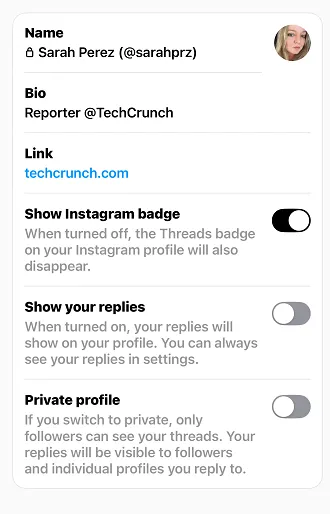
As highlighted by TechCrunch, this means that users can choose to display only their “Threads” and “Reposts” on their profiles, enhancing the focus on curated content. This selective visibility can help users maintain a professional or personal image that aligns with their preferences and comfort levels.
Introducing UI features like these can significantly ease users’ anxieties about sharing their thoughts and opinions in various contexts. By minimizing the potential for criticism or negative feedback from other users, platforms can foster a more supportive and engaging environment for open dialogue and sharing personal views.
However, there is a counterpoint to consider: when users post comments, they should ideally stand by their opinions. After all, the original poster will still see these comments, so it raises the question of why individuals should be allowed to downplay their contributions on their own profile.
Regardless, both of these new user control options are part of a broader strategy by Instagram to enhance user experience. This initiative aligns with the platform’s previous efforts, such as the introduction of optional like count displays in 2021, which was implemented after discovering that certain users appreciated having the choice to hide or reveal their engagement metrics.
While not many users have activated these options, the development team at Meta recognizes the importance of offering customizable settings to meet diverse user needs. This flexibility allows users to tailor their social media experience in a way that feels comfortable for them.
The trend of hiding certain performance metrics aligns with the industry-wide movement away from vanity metrics, a conversation that has been gaining traction for several years. As users begin to prioritize meaningful engagement over superficial numbers, platforms are adapting to these changing expectations.
Reflecting on past discussions, back in 2018, former Twitter CEO Jack Dorsey shared insights regarding the pitfalls of emphasizing follower and like counts, arguing that these metrics encouraged unhealthy user behavior and did not accurately reflect user value on the platform.
As Dorsey articulated:
“When you open Twitter and see that [follower count] number, it incentivizes you to increase that number. This may have worked 12 years ago, but it doesn’t hold true today. The real focus should be on the number of meaningful conversations you’re having on the platform.”
Quantifying ‘meaningful conversations’ is complex, and no platform has perfected this yet. However, Elon Musk has echoed similar sentiments regarding X, emphasizing the importance of focusing on “unregretted user minutes” rather than easily manipulated metrics.
Consequently, traditional data points like likes and followers may be diminishing in significance, especially in today’s social media landscape. Users increasingly rely on algorithm-driven “For You” feeds to curate their content, often forgoing the need to follow specific profiles to receive updates.
This shift is partly why Meta is steering creators towards focusing on view counts instead. Gaining followers today is less straightforward than in the past, and users are engaging with content differently by liking less but sharing more through direct messages. Therefore, metrics like views and shares have become crucial indicators of audience engagement.
However, this reliance on platform metrics raises concerns about user autonomy, as creators may feel more dependent on these platforms rather than building a personal audience that they can control independently.
Moreover, in the context of the aforementioned Instagram test, the platform is also exploring the removal of view counts, albeit in a different context. This experiment signifies a broader reevaluation of the metrics that matter most in today’s rapidly evolving social media environment.
The core message is clear: we often become fixated on the wrong metrics in the current landscape of social media. As algorithmic recommendations become more prevalent, fewer individuals will follow specific profiles, and increased sharing through direct messages means that likes are less influential than before.
Yet, despite this shift in focus, many users continue to fixate on traditional metrics. The question remains: how can users adapt to these changing dynamics while still finding value in their social media interactions?



 Ivy Caldwell
 Troy Sanders