 Ethan Carter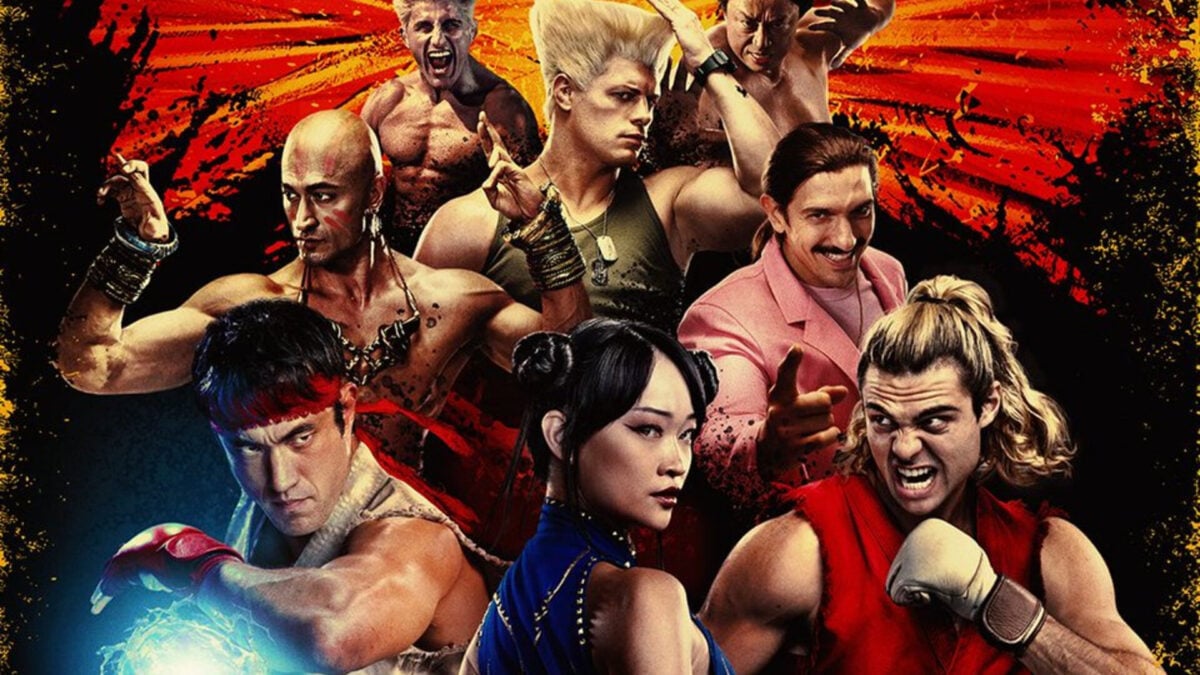

During this week’s CinemaCon, movie enthusiasts were delighted to witness the unveiling of a brand new Street Fighter trailer. The visuals are undeniably amusing, showcasing a unique blend of humor that sets it apart in the cinematic landscape.
In today’s entertainment industry, adaptations of intellectual properties (IPs) face intense scrutiny regarding their fidelity to the original material. Comments such as “When will Daredevil get his double-Ds?” and “Batman should have the white eyes” dominate discussions, as fans attempt to gauge the creators’ commitment to the source material. This scrutiny is particularly pronounced in the realm of video games, where the interactive nature fosters a deeper connection to characters. Therefore, when an adaptation reveals its first production still featuring a lead character, audiences have plenty to say. It’s one thing to know that Sophie Turner will portray Lara Croft, but seeing her in the iconic outfit, complete with shades, is an entirely different experience.
Capcom is renowned for creating memorable characters, and this is especially evident in Street Fighter. When the initial glimpse of the film emerged as a quirky, hip-hop-inspired teaser, many fans were understandably taken aback by certain visuals. For instance, witnessing 50 Cent embody Balrog’s hairstyle evokes a nostalgic cringe. While most of the cast appeared impressive in action, the character posters somewhat diminished that excitement, highlighting the critical role of purposeful lighting in conveying authenticity. The costumes, in particular, stood out when compared to its cinematic counterpart, Mortal Kombat II, where the cast successfully resembles their characters without veering into uncanny territory.
However, with the release of Street Fighter’s latest trailer, it becomes evident that the playful tone is not a flaw but rather a defining feature. Instead of pursuing realism, director Kitao Sakurai embraces the franchise’s whimsical aspects, such as the games’ notorious vehicle-destroying bonus stages. This distinctive energy injects a vibrant personality into the fight scenes and settings, exceeding expectations. This creative choice seems rooted in an understanding that the games are characterized by their outlandish action sequences. Unlike other CGI-heavy films, the portrayal of Ryu’s Hadouken or Zangief executing the Running Bear Grab appears to maintain a sense of authenticity rather than becoming unsettling in live-action.
For every viewer who appreciates what Street Fighter is offering, there’s likely another camp that feels alienated, believing the filmmakers have played a prank on Capcom. Given the developer’s history with adaptations, it’s challenging to refute such claims. Capcom seems to lack stringent oversight when Western creatives adapt its IP for television or film. Perhaps the company is confident in the strength of its games or trusts the connection between adaptations and game sales. This level of freedom is quite rare for a prominent developer in today’s industry.
The looming presence of companies like Nintendo or Sony can create a sense of unease as their adaptations gain popularity. Video game adaptations have long struggled for legitimacy, making it significant that Capcom adopts a “let’s embrace it” strategy with titles like Resident Evil and Street Fighter. If audiences are to continue enjoying these films and series, it is essential for adaptations to ask viewers to engage with the material on its terms. This kind of confidence is something Capcom has consistently demonstrated, which has benefited its games significantly. It’s easy to envision this approach yielding positive results for its flagship fighting franchise on the big screen.
Street Fighter hits theaters on October 16.
Want more io9 news? Discover when to expect the latest releases from Marvel, Star Wars, and Star Trek, find out what lies ahead for the DC Universe in film and TV, and get all the essential information about the future of Doctor Who.


 Daniel Mercer