 David Bridges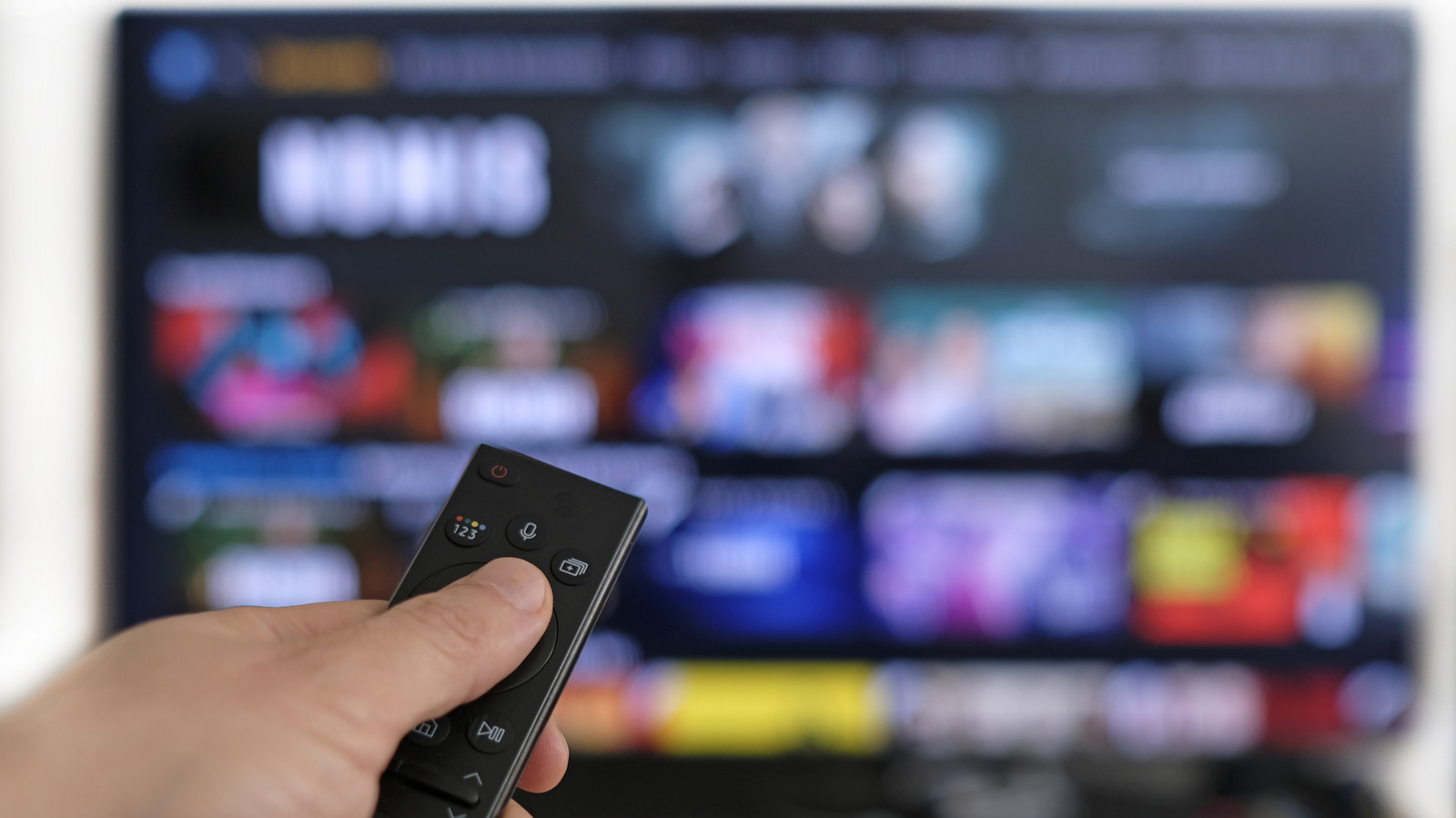

Not all smart TVs provide long-term updates, and some manufacturers lack a clear policy.
We may earn a commission on purchases made through these links.
When purchasing any television, you likely view it as a long-term investment. This means you expect ongoing support from the manufacturer for as long as possible.
In the past, the main concern when buying a TV was its potential to break down. with smart TVs, software longevity is also a significant factor. Most modern televisions come equipped with their own operating systems and applications, requiring regular updates to maintain optimal performance and address security vulnerabilities.
Unfortunately, there is no standardized expectation regarding the duration of software support for TVs. This varies widely between manufacturers, and finding accurate information can be challenging. Fortunately, we have conducted the necessary research to provide clarity on this topic.
Samsung Leads in Long-Term Software Support, But Not All Brands Follow Suit
Samsung
If you own a Samsung TV from 2024 or later, the company commits to providing seven years of software updates for its Linux-based Tizen operating system. This promise, made in 2024, also extends to select models from 2023. if you have a Samsung TV from 2024, you can anticipate that applications will function seamlessly and firmware updates will continue until at least 2031. older models may not receive significant new versions of Tizen, though they might still get periodic maintenance or security updates.
In early 2024, LG launched the webOS Re:New initiative, which ensures four years of updates for webOS on TV models released from 2022 onward. These updates will arrive one year later than their latest webOS release on new models. For instance, webOS 26, debuting with 2026 TVs, will be available on a 2025 model one year after its launch.
Sony does not provide a standard support duration for its televisions; instead, support timelines vary by model. For instance, the 2025 Sony Bravia K-65XR80M2 OLED has an end-of-life date listed as April 2029, while the Sony Bravia 2 II K-65S25VM2 from the same year is expected to receive security updates until June 2030.
Unlike LG and Samsung, Sony does not utilize a proprietary operating system. Models released post-2021 operate on the Google TV platform, while older models use Android TV.
Similarly, TCL does not guarantee a specific period of software support. Information is limited to the company’s Software Security page, which claims to “typically” deliver security updates for at least two years after “the first shipment of a particular device model.” However, this page does not explicitly mention TVs. TCL’s recent models primarily run on Google TV (or Android TV for older versions) or Roku TV, depending on the model.
How Does Software Support Differ by Region?
Sam Rutherford for Engadget
In Europe, most Hisense TVs operate on the proprietary VIDAA OS. Since 2025, the company has committed to providing support for “up to” an impressive eight years for these models. customers in the US are less likely to find Hisense TVs with VIDAA, as many models utilize Android TV, Fire TV, Google TV, or Roku TV. the duration of support largely depends on the operating system that comes with your TV.
For a considerable time, Roku was recognized for its streaming devices and operating system licensed to various TV brands. But what about Roku’s own Pro, Plus, or Select Series TVs? Roku does not specify a fixed support duration for these models, and since they were first introduced in 2023, it’s premature to identify a consistent pattern. given that software is integral to Roku’s business and they frequently release updates, one can reasonably expect their TVs to have a good lifespan. Roku doesn’t disclose end-of-life dates for its streaming devices, but anecdotal evidence suggests some users have operated a unit for as long as ten years.
What about budget-friendly brands like Vizio and Insignia? Vizio utilizes its own Vizio OS, providing functionality comparable to its more established competitors, and includes over 300 applications. Vizio regularly distributes automatic firmware updates, but does not guarantee a specific support period for any of its television models.
Insignia TVs use Amazon’s Fire OS, which means you can expect software and security updates for as long as Amazon maintains its commitment to updates for its devices. The Amazon Fire TV Software Security Updates page indicates a minimum commitment of at least four years.
If your model reaches the end of its support period, consider investing in a streaming box. This affordable option can prolong the life of your smart TV and ensure you retain access to updated versions of your favorite applications.


 Daniel Mercer