Daniel Mercer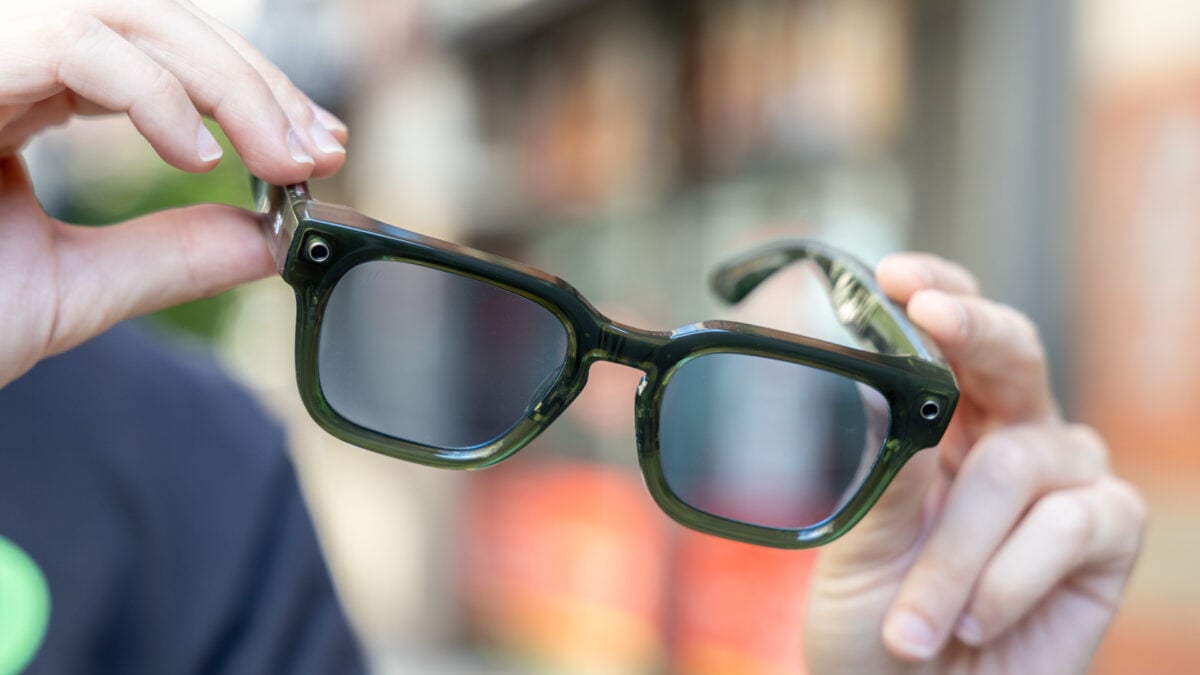

Smart glasses evoke discomfort in many individuals, primarily due to their camera features. In response to growing concerns about personal privacy, manufacturers of these devices have implemented several measures to address these issues.
For instance, many companies now incorporate LED indicators that activate when smart glasses are recording. some manufacturers provide kits that block camera functionality for situations where recording is inappropriate. Others have opted to eliminate cameras altogether from their devices, focusing instead on integrating displays, voice assistants, and audio capabilities.
Meta appears to be exploring a radically different approach. Reports from the Financial Times indicate that Meta is testing prototype smart glasses designed to capture everything continuously. Dubbed “super-sensing” glasses, these devices could potentially take photographs every few seconds, as stated by sources familiar with the development process. The vision behind these AI-powered glasses is to serve as a constant assistant, capable of recalling everyday details such as the location of your keys or specific conversations you’ve had.
This approach represents a significant shift from the current operation of Meta’s smart glasses. Presently, users must activate their glasses using voice commands or a physical capture button to record their surroundings. when recording is in progress, an LED indicator illuminates on the front of the glasses to alert those nearby that the camera is active.
According to the Financial Times, the super-sensing prototype does not plan to utilize an LED indicator when recording the wearer’s environment. there are varying opinions within Meta regarding whether the data gathered by these glasses should be stored on the company’s servers for AI training purposes.
For context, Meta already engages in data collection and storage to enhance its AI systems, a practice that has raised concerns. A report from the Swedish publication Svenska Dagbladet revealed that images and videos used for AI training were sent to human contractors for analysis. These materials included numerous private moments, such as individuals in vulnerable situations or revealing personal information. If these instances are merely incidental captures, the implications of always-on smart glasses could be alarming.
One potential silver lining is that while the concept of super-sensing glasses may appeal to Mark Zuckerberg, the technical challenges in creating such a device are substantial. I am doubtful that smart glasses can accommodate the necessary battery life for continuous recording—maintaining constant video playback is a significant power drain. Meta could theoretically integrate a low-resolution camera designed for lower energy consumption or rely on an external battery pack. it remains uncertain if either solution would be feasible or if Meta is willing to pursue these options.
Regardless of the challenges, the notion of always-on glasses raises serious concerns, particularly when associated with Meta, a company that has previously explored facial recognition technology in its smart glasses—another contentious area with a problematic legacy. The prevailing mindset at Meta appears to be, “If we can do it, we probably will.”


 Brandon Fletcher