 David Bridges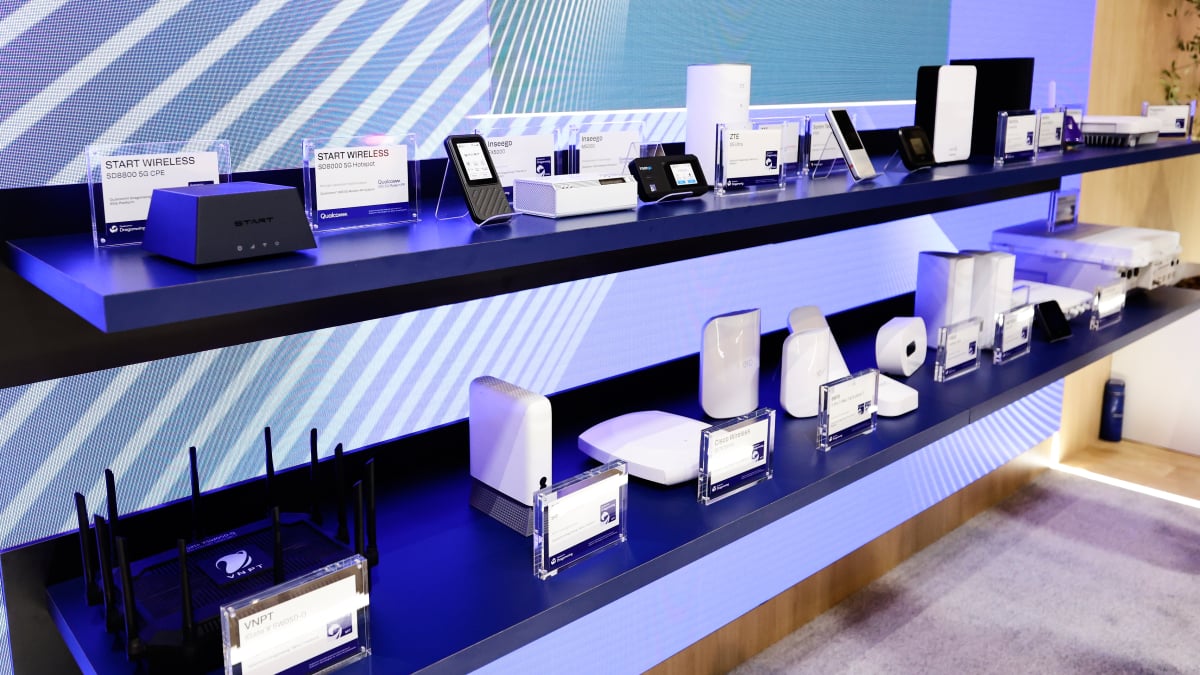
The Federal Communications Commission (FCC) is a government agency because it regulates communications in the U.S., which matters for national security. The FCC’s recent decision to add all foreign-manufactured consumer routers to its Covered List has significant implications for consumers and manufacturers alike.

At SocialSchmuck, we specialize in Social media, Entertainment, and Technology news, helping tech enthusiasts and consumers stay informed about critical changes in technology regulations. Our insights empower users to make informed decisions regarding their technology purchases.
This article covers the FCC’s router ban, the implications for consumers, the types of routers affected, and the potential pathways for manufacturers seeking exemptions. We aim to clarify the current landscape of router availability and the future of router manufacturing in the U.S.
- Overview of the FCC’s router ban
- Types of routers impacted
- Current router availability
- Manufacturer exemption pathways
- Future implications for consumers
The FCC’s recent ruling effectively bans the sale of new WiFi routers made outside the United States. This sweeping ban affects virtually every consumer router on the market today. However, previously approved WiFi routers can still be operated and sold.
An FCC communication clarifies that this action does not impact a consumer’s continued use of routers they previously acquired. Retailers can continue to sell, import, or market router models that were approved through the FCC’s equipment authorization process.
- New routers from foreign manufacturers are banned.
- Previously approved routers remain available for sale.
- Consumers can continue using their existing routers.
The national security rationale behind this ban is that foreign-produced routers introduce supply chain vulnerabilities that can disrupt critical infrastructure. The FCC cites real cyberattacks, such as the Volt, Flax, and Salt Typhoon attacks, which targeted vital U.S. infrastructure and involved foreign-made routers.
This Tweet is currently unavailable. It might be loading or has been removed.
As of 2026, a quick glance at popular retailers like Amazon and Best Buy shows that many routers remain available, but the situation is complex. Let’s explore which routers are banned under the new rules.
Which routers are banned?
Any equipment on the FCC’s Covered List is blocked from receiving new authorization, which is required before a device can be imported, marketed, or sold in the United States. The FCC’s decision adds all consumer-grade routers produced in foreign countries to that list.
This ban impacts all home router brands, with the exception of domestically-produced consumer routers, such as those made by Starlink for satellite internet. The FCC’s definition of “produced” is broad, encompassing not just where a device is assembled but also where it was designed and developed.
| Router Brand | Country of Manufacture | Impact of Ban |
|---|---|---|
| TP-Link | China | Banned |
| Asus | Taiwan | Banned |
| Netgear | Manufactured Abroad | Banned |
| Eero | Vietnam | Banned |
| Ubiquiti | Overseas | Banned |
In 2026, if a router exists in the physical world, there is a very good chance it was made outside the United States and is therefore now covered under the ban. TP-Link acknowledged the global nature of router manufacturing and framed the ruling as an industry-wide reckoning rather than a targeted action.
Before the drone ban in December 2025, DJI expressed similar sentiments, suggesting that the ban was more about protecting U.S. manufacturers than addressing legitimate national security concerns.
What routers can you still buy?
Consumers might be surprised to learn that more routers are still available than expected, at least for now. The critical distinction in the FCC’s rules is between new device models and previously authorized ones. Any router that already has FCC equipment authorization can still be imported, sold, and used.
Retailers can continue moving existing inventory, and consumers can continue purchasing those models. The ban applies to new models seeking authorization going forward, not to the current stock sitting on store shelves.
| Router Status | Availability | Future Updates |
|---|---|---|
| Previously Authorized Routers | Available for Sale | Eligible for Updates Until March 1, 2027 |
| New Models | Banned from Authorization | No Updates |
If you already own a router, nothing changes. The Covered List does not require consumers to replace or stop using hardware they already purchased. However, if an upgrade is necessary, now is the time to act.
The FCC granted a limited waiver, allowing all previously authorized routers to continue receiving software and firmware updates until March 1, 2027. This waiver exists to prevent the immediate loss of update eligibility for routers already in use.
The irony is that the FCC’s ban is based on security risks associated with foreign-made routers. Yet, the mechanics of the ban could eventually cut off security updates, potentially turning these routers into liabilities.
Is there any way back for manufacturers?
Yes, there is a narrow pathway for manufacturers. The FCC’s rules include a “Conditional Approval” pathway, administered by the Department of Defense and the Department of Homeland Security. Router producers can apply for an individual exemption if they can demonstrate their product does not pose unacceptable risks.
The application process is extensive. Manufacturers must disclose their full corporate structure, ownership, foreign government ties, a complete bill of materials, country of origin for every component, and all software. Most significantly, they must provide a detailed, time-bound plan to move manufacturing to the United States.
Conditional Approvals last no longer than 18 months and come with quarterly reporting requirements. There is no guarantee of approval, and all decisions are final.
Amazon’s Big Spring Sale is back: The best deals already live on Apple, robot vacuums, headphones, and more


 Daniel Mercer
 Brandon Fletcher