 David Bridges

The younger sibling of New Orleans terrorist Shamsud-Din Jabbar is expressing his belief that “radicalization” played a significant role in his brother’s violent actions, which resulted in the tragic deaths of 15 individuals and left numerous others injured. This incident has raised critical questions about the influences that lead individuals to commit such heinous acts of violence, particularly in relation to their beliefs and backgrounds.
Abdur Jabbar shared with the New York Times that his brother, Shamsud-Din, was a devoted Christian during his early years in Beaumont, Texas. However, he later converted to Islam, dedicating much of his life to studying the religion and its teachings. This transformation raises important discussions about identity, belief systems, and the factors that influence a person’s path, particularly in the context of religious conversion and its implications on one’s worldview.

Abdur emphasized, “What he did does not represent Islam. This act stems more from a type of radicalization rather than true religious belief.” This statement highlights a crucial distinction often overlooked in discussions surrounding terrorism and religion, where the actions of individuals can be misinterpreted as representative of an entire faith. It underscores the importance of understanding the difference between radical ideologies and the core teachings of a religion.
Abdur recounted that just two weeks before the tragic incident, he had a final conversation with Shamsud-Din, who failed to mention any intentions or plans about attacking the renowned French Quarter in Louisiana. This absence of communication regarding such violent intentions raises questions about the signs of radicalization and whether those around him could have detected any warning signals before the attack.
Abdur revealed that his brother, Shamsud-Din, made the decision to enlist in the Army due to a lack of direction in his life and a need for discipline. He was subsequently deployed to Iraq and Afghanistan during some of the most intense periods of conflict in those regions. This experience may have significantly impacted his worldview and mental state, contributing to the complexities surrounding his eventual actions.
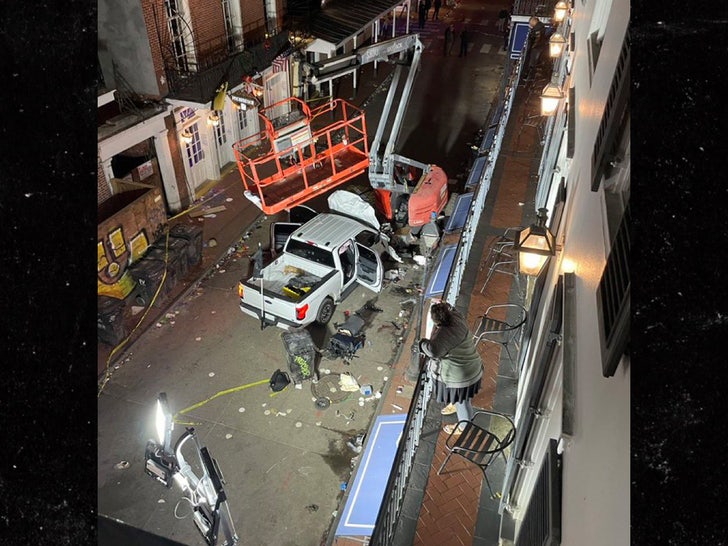
Reports indicate that on New Year’s Eve, Shamsud-Din rented a pickup truck and drove it into a large crowd of celebrators on Bourbon Street, resulting in chaos and tragedy in the early hours of Wednesday. Following this horrific act, he engaged in a violent confrontation with law enforcement, which ultimately led to his death. This sequence of events has shocked the community and raised urgent discussions about public safety and the prevention of future attacks.
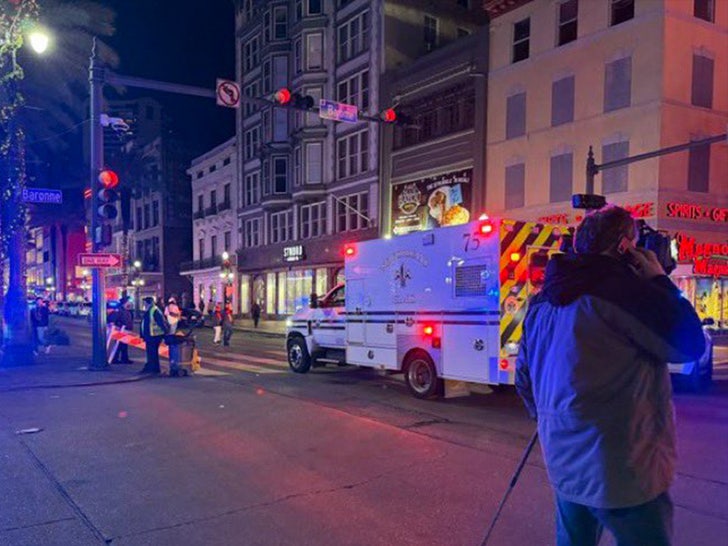
Authorities have confirmed that fifteen individuals tragically lost their lives, and at least 30 others sustained injuries in what officials are categorizing as a terrorist attack. This incident has prompted a comprehensive investigation to understand the motivations behind the act, the planning involved, and how such events can be prevented in the future. The community is left grappling with the aftermath of this senseless act of violence.
In a shocking discovery, the FBI and local law enforcement officials found an Islamic State flag attached to the pickup truck used in the attack, along with a potential explosive device found inside the vehicle. The Islamic State, often referred to as ISIS, is a notorious terrorist organization known for its violent actions and extremist ideologies, particularly in the Middle East. This revelation has intensified the urgency to address the factors contributing to radicalization and acts of terrorism.


 Cameron Steel
 Tessa Everly