 Brandon Fletcher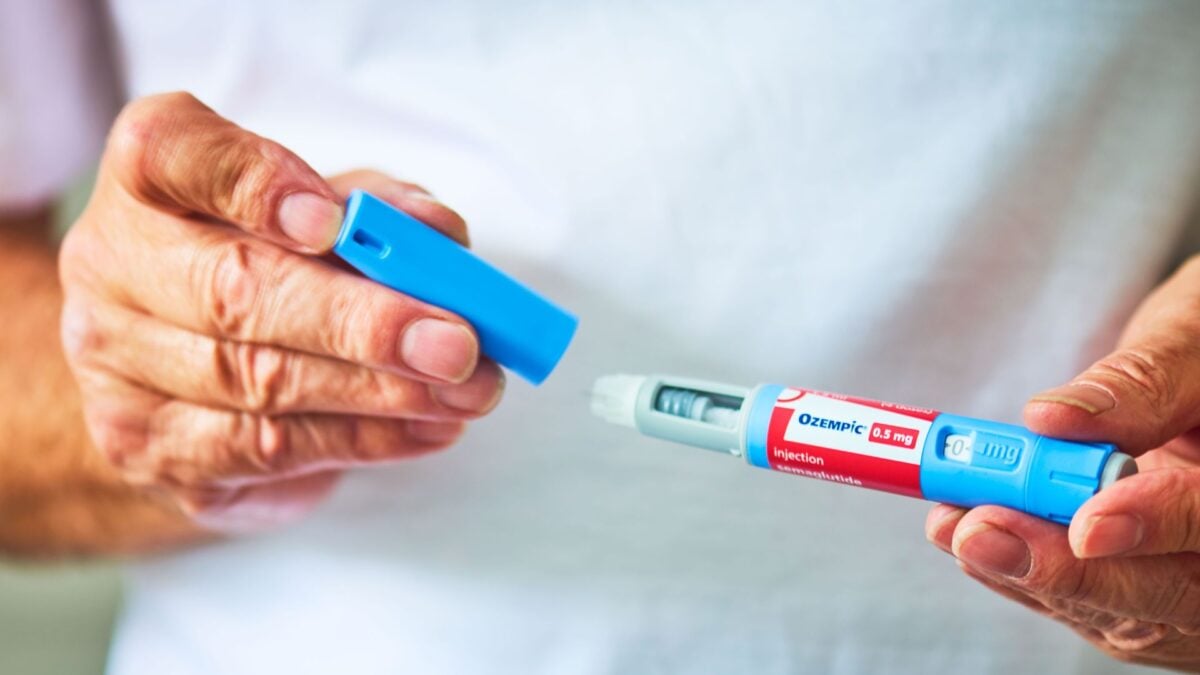
GLP-1 medications are a class of drugs used for weight loss and diabetes management because they help regulate blood sugar levels and promote satiety, which matters for individuals seeking effective weight management solutions.

At SocialSchmuck, we specialize in social media, entertainment, and technology news, helping health-conscious audiences achieve informed decisions regarding their health and wellness choices.
We provide insights into the latest trends, debunk myths, and offer evidence-based information about health-related topics. This guide covers the common misconceptions surrounding GLP-1 medications, their risks and benefits, and the importance of critical evaluation of health information.
- Debunking myths about GLP-1 medications
- Understanding the risks and benefits
- Evaluating the evidence behind claims
- Guidance on monitoring health while using GLP-1s
What are the common myths about Ozempic and GLP-1 medications?
Misconceptions about GLP-1 medications like Ozempic have proliferated on social media. Users claim these drugs cause severe side effects, including bone deterioration and muscle loss. However, these claims often stem from misinterpretations of preliminary studies.
For instance, a recent study presented at the American Academy of Orthopedic Surgeons suggested a correlation between GLP-1 use and higher rates of osteoporosis (4.1%) and osteomalacia (2%). However, these rates remain low, and the study has not yet undergone peer review.
- 4.1% of GLP-1 users experienced osteoporosis
- 2% of GLP-1 users experienced osteomalacia
- Study has not completed peer review
Is Ozempic damaging bones as claimed?
Despite viral claims, the study’s authors do not recommend abandoning GLP-1 medications. They suggest monitoring bone health, especially for users at risk. Preventive measures include increasing vitamin D and calcium intake and engaging in strength training.
Interestingly, another study at the same conference indicated that GLP-1 medications might reduce the risk of post-operative complications in orthopedic surgeries.
| Study Focus | Findings |
|---|---|
| Bone Health Risks | 4.1% osteoporosis, 2% osteomalacia |
| Post-Operative Complications | Reduced risk in GLP-1 users |
What other health concerns are associated with GLP-1 medications?
Other myths about GLP-1s include claims that they lead to significant muscle loss. Weight loss typically results in some lean body mass reduction, but this is not exclusive to GLP-1 usage. Users can mitigate muscle loss by increasing protein intake.
Concerns about suicide ideation related to Wegovy emerged shortly after its 2021 launch. However, subsequent investigations found no connection. A recent study indicates that semaglutide may actually lower the risk of worsening depression and anxiety.
- Weight loss leads to some lean mass reduction
- No evidence linking Wegovy to increased suicide ideation
- Semaglutide associated with lower depression risk
What are the risks and benefits of GLP-1 medications?
GLP-1 medications are not without risks. Common side effects include gastrointestinal discomfort. However, many users find ways to manage these effects effectively.
Research continues to uncover both potential benefits and risks. Some studies link GLP-1s to increased odds of certain eye conditions, although these occurrences are rare. Awareness of these risks is crucial for effective prevention and treatment.
| Risk | Prevalence | Management Strategies |
|---|---|---|
| Gastrointestinal Discomfort | Common | Dietary adjustments |
| Eye Conditions | Rare | Regular check-ups |
In medicine, benefits often come with risks. GLP-1 therapy has proven effective for treating type 2 diabetes and obesity. As of 2026, ongoing research may reveal additional therapeutic uses.
Understanding the balance of benefits and risks is essential. Individuals should evaluate their treatment options with their healthcare providers. Misinformation complicates this process, making it vital to clarify facts about GLP-1 medications.
Stay informed and critically assess health information to make the best choices for your health.


 Daniel Mercer
 Ethan Carter