 David Bridges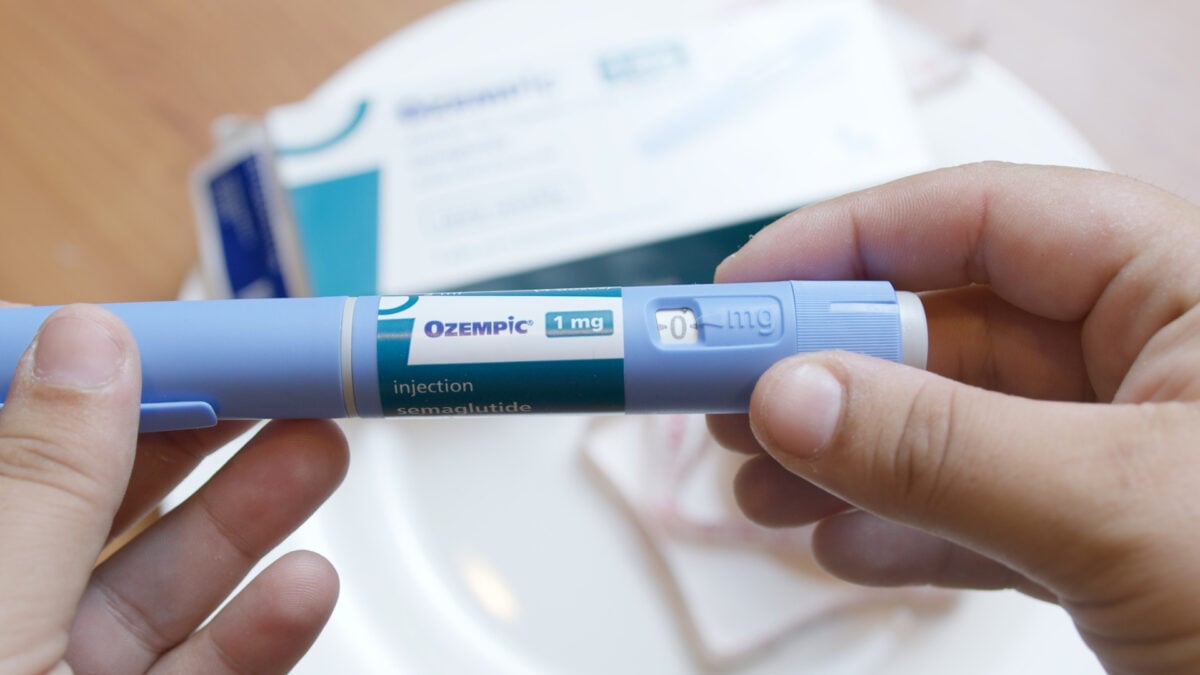
The federal government appears to be reconsidering its stance on covering GLP-1 weight loss medications such as Ozempic and Zepbound under Medicaid and Medicare. Reports indicate that the Trump administration is planning to initiate an innovative experiment aimed at allowing certain individuals access to coverage for these crucial obesity drugs.

According to a report by The Washington Post, which acquired documents from the Centers for Medicare and Medicaid Services, this initiative would permit state Medicaid programs and Medicare Part D insurance plans to cover medications specifically targeted for weight management starting next year. If the experiment yields positive results, it could set a precedent for broader coverage of these high-cost but effective medications through Medicare and Medicaid.
Currently, Medicare does not provide direct coverage for medications designed to treat obesity, including the latest GLP-1 agents such as semaglutide (found in Ozempic and Wegovy) and tirzepatide (marketed as Mounjaro and Zepbound). However, there is some flexibility in coverage for patients utilizing Ozempic and similar drugs for managing diabetes or certain obesity-related health issues, like heart disease.
Last year, the Biden administration put forward a proposal aimed at abolishing these restrictions, which could potentially allow coverage for approximately 7 million Americans enrolled in Medicare and Medicaid by 2026. However, in April of this year, the Trump administration retracted the proposed rule. Despite this, Health Secretary Robert F. Kennedy Jr., who has expressed past criticism of Ozempic, mentioned that the White House is still evaluating a “framework” to broaden coverage.
The Washington Post reports that the Center for Medicare and Medicaid Innovation, an entity focused on reducing healthcare costs and enhancing patient care, will oversee this experimental initiative. While several details concerning eligibility criteria remain uncertain, the government may allow public feedback and further adjustments as needed. The experiment is projected to last for at least five years, with Medicaid programs potentially starting coverage in April 2026 and Medicare plans following suit in January 2027.
The latest GLP-1 medications, such as semaglutide, have demonstrated significantly greater effectiveness in facilitating weight loss compared to traditional diet and exercise methods alone. However, their high prices and limited insurance coverage have hindered many individuals from accessing or maintaining these treatments over the long term, particularly as some users experience intolerable gastrointestinal side effects. Nevertheless, this proposed initiative signifies a positive shift in addressing these cost-related challenges.
Recently, the list prices for Ozempic and similar medications have begun to decline; for example, Canada is anticipated to approve the first generics of Ozempic early next year, although similar developments in the U.S. may not occur until 2030. The expected introduction of new competitive drugs as early as next year is likely to further reduce prices across the board.


 Daniel Mercer