 David Bridges

Meta has made significant strides in its research and development of Augmented Reality (AR) glasses, introducing the next generation of its innovative device, the Aria Gen 2 AR glasses, specifically designed for researchers. This advancement marks a pivotal moment as Meta seeks to enhance the functionality and capabilities of these glasses to aid in groundbreaking research.
Since unveiling the first version of the Aria AR glasses in 2021 and launching them for research use last year, Meta has taken feedback seriously. The improvements in the second generation focus on enhancing the user experience and integrating advanced technologies, particularly driven by developments in Artificial Intelligence (AI). These upgrades are crucial for researchers aiming to explore the interaction between AI systems and human perspectives.
According to Meta:
“For researchers looking to explore how AI systems can better understand the world from a human perspective, Aria Gen 2 glasses add a new set of capabilities to the Aria platform. They include a number of advances not found on any other device available today, and access to these breakthrough technologies will enable researchers to push the boundaries of what’s possible.”
Meta emphasizes that the Aria Gen 2 model comes equipped with state-of-the-art technology, featuring upgraded sensors, an RGB camera, 6DOF SLAM cameras, eye tracking cameras, spatial microphones, and more. Additionally, the glasses now include heart rate monitors and a contact microphone that can differentiate the user’s voice from background noise, making them a versatile tool for various research applications.
The next generation of Aria glasses boasts enhanced battery life, offering up to eight hours of operation on a single charge. Furthermore, they feature improved open-ear, force-canceling speakers, which contribute to a superior audio experience while maintaining comfort and usability for researchers engaged in lengthy studies.
Meta’s ambitious approach involves integrating a multitude of technological components into a compact device, posing significant challenges in achieving affordability without compromising quality. The company is acutely aware of the market landscape, especially in light of competitors like Apple, which has launched its $3,500 VisionPro device, significantly exceeding the budget of average consumers.
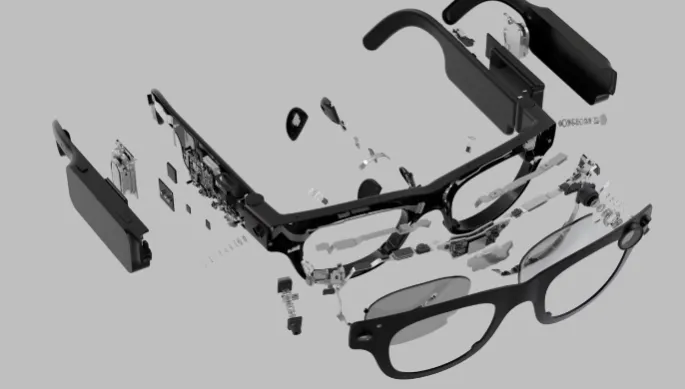
Currently, Meta is focused on refining the Aria glasses while collaborating exclusively with researchers, strategically delaying the consumer launch of the product. Nevertheless, the anticipation is building as Meta envisions a future where these AR glasses could become a common accessory in everyday life, significantly enhancing user connectivity and interaction with digital environments.
This could lead to a profound transformation in how we engage with technology, potentially ushering in an era of seamless connectivity and interaction.
At present, Meta is dedicated to exploring and expanding the potential use cases for these glasses, leveraging feedback from researchers to refine their features and capabilities continuously.
“Over the coming months, we’ll share more details about the timing of device availability to partners. We’re excited to see how researchers will leverage Aria Gen 2 to pave the way for future innovations that will shape the next computing platform.”
It is undeniable that AR glasses are poised to create a transformative shift in how we perceive and interact with the world around us. The integration of AI technology into these devices will enhance their functionality, making them invaluable in various practical applications across different fields.



 Mason Thompson
 Maya Kensington