 David Bridges

The platform previously recognized as Twitter has begun to implement distinct labels for parody and fan accounts. This strategic move aims to enhance user clarity regarding the identity and purpose of each profile within the application.
As illustrated in the accompanying example, parody and fan accounts will now receive specific labels within the platform. This initiative is designed to clearly differentiate these accounts from authentic entities, thereby enhancing user experience. The parody label features a jester’s hat icon on the left side, visually indicating the nature of the account.
To maintain compliance with these new labeling guidelines, accounts must actively apply these labels. Failure to do so may result in suspension from the platform, emphasizing the importance of transparency and user trust in online interactions.
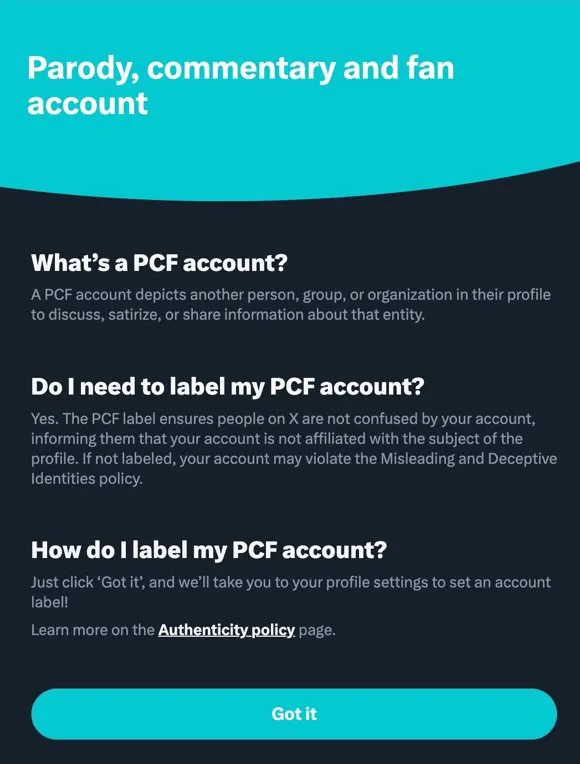
This enhancement will significantly aid users in recognizing when a profile does not accurately represent the individual or entity it claims to be. By providing clear labels, the platform aims to minimize instances of misrepresentation and confusion, creating a safer online environment for all users.
Although Twitter’s initial checkmark verification process had its shortcomings, it still contributed to a level of clarity regarding account authenticity. The new labeling system seeks to build on this foundation, ensuring users can trust the accounts they interact with.
Back in 2022, shortly after initiating his controversial plan to monetize checkmarks within the app, X’s CEO Elon Musk declared that parody accounts “must include “parody” in their name, not just in bio.” This mandate was introduced to combat the rise of impersonation accounts that had acquired blue checkmarks under X’s new “Verified” program, leading to confusion among users as these accounts falsely represented various brands and celebrities.
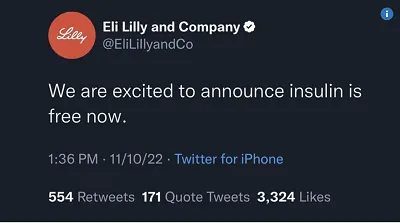
The surge in impersonating accounts, which appeared official due to their blue verification ticks, became so overwhelming that X had no choice but to suspend its verification services temporarily. This pause was necessary to address the confusion and to refine the verification process to ensure users could easily identify authentic accounts.
The issue stemmed from the very act of selling blue checkmarks, which historically signified that an account had been verified as genuinely belonging to the individual or entity it claimed to represent. Now, without stringent checks in place, users could simply pay for a checkmark and impersonate anyone they wished. Although X has had a long-standing policy regarding parody and impersonation accounts, this has not completely eliminated the problem of misrepresentation on the platform.
Including instances where even the CEO himself was involved:
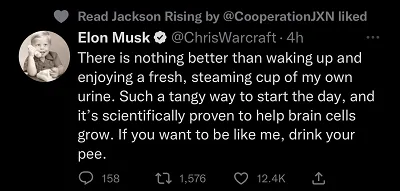
In this particular example, the handle is misleading. At first glance, users can easily be misled, and posts of this nature tend to be re-shared at an alarming rate. This situation likely contributes to X’s motivation to clarify which accounts are authentic and which are satirical in nature.
Moreover, another critical factor is the need to regain the trust of brands that are currently hesitant to engage with X due to the prevalence of impersonation accounts that falsely represent their official profiles. This lack of trust can severely impact brand engagement and advertising on the platform.
With a reduced number of moderators, X faces challenges in detecting and evaluating these impersonation accounts effectively. Implementing a voluntary “parody” label could mitigate these issues, helping to restore confidence among brands and encouraging them to re-engage with the platform.
It’s important to note that this situation is, in many ways, a consequence of X’s own decisions. Many experts and commentators warned that the sale of blue checkmarks could lead to these precisely the types of issues that are now occurring on the platform.
It appears that X has come to realize these challenges through a lengthy and difficult process. However, the platform is now showing signs of adaptation and learning from past mistakes.


 Ivy Caldwell
 Maya Kensington