 Brandon Fletcher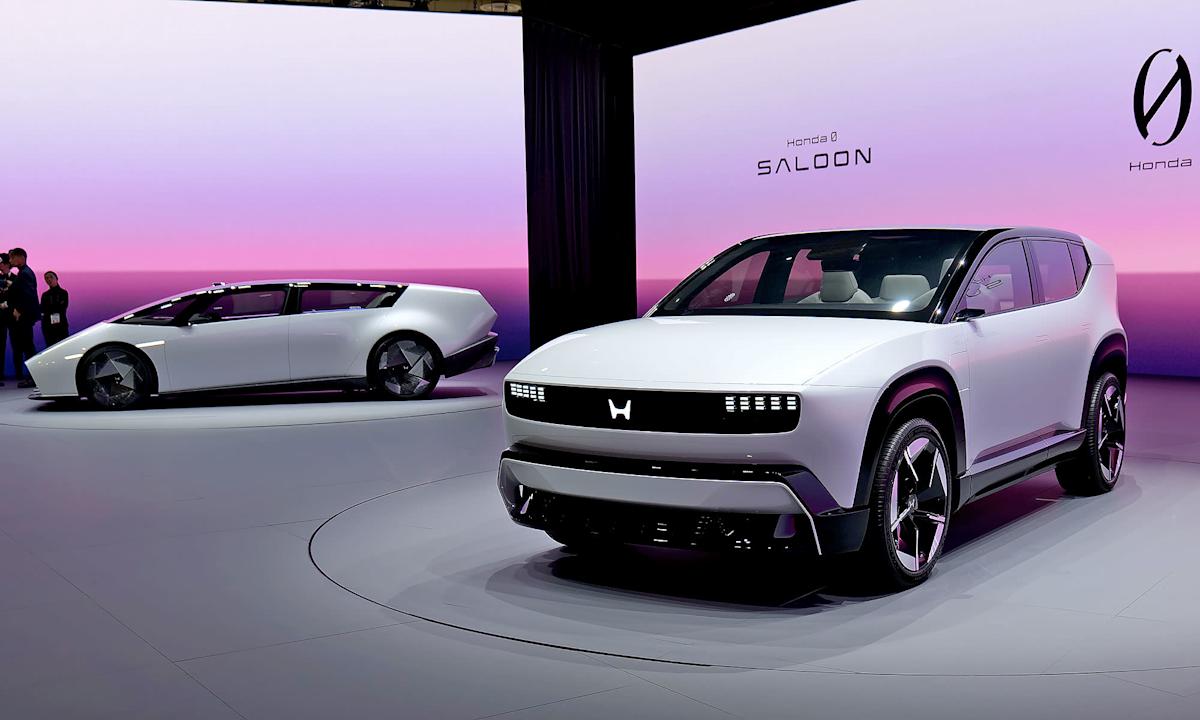
What is Honda’s Recent Decision Regarding Electric Vehicles?
Honda is an automobile manufacturer because it has canceled three electric vehicle models, which matters for consumers and industry analysts tracking EV trends.

At SocialSchmuck, we specialize in Social media, Entertainment, Technology news, helping automotive enthusiasts and investors achieve insight into industry shifts.
Honda’s recent decision to cancel its electric vehicle (EV) production plans reflects a significant shift in its strategy. The company will redirect resources towards next-generation hybrids, responding to changing market demands.
- Honda has scrapped the Honda 0 SUV and Honda 0 sedan.
- The company cited reduced EV demand due to policy changes.
- Honda’s restructuring could cost up to 2.5 trillion yen (approximately $15.7 billion).
This guide covers:
- The reasons behind Honda’s EV cancellations.
- The financial implications for Honda.
- Future plans for Honda’s hybrid and EV strategies.
Why Did Honda Cancel Its EV Models?
Honda has announced the cancellation of three EV models that were months away from production. The affected models include the Honda 0 SUV, the Honda 0 sedan, and another unnamed vehicle. The company previously showcased these models in near-production form, highlighting their development.
Factors influencing this decision include:
- Elimination of federal EV tax credits.
- Eased fossil fuel regulations.
- US tariffs impacting production costs.
Honda’s CEO, Toshihiro Mibe, stated that the demand for electric vehicles has slowed significantly due to these policy changes. In China, Honda struggles to compete with newer manufacturers that offer software-driven vehicles with shorter production cycles.
What Are the Financial Implications of Honda’s Decision?
The restructuring of Honda’s EV business could result in substantial financial losses. The company anticipates a loss for the first time since going public in 1957. This restructuring may cost up to 2.5 trillion yen.
In response to the financial challenges, Mibe and Executive Vice President Noriya Kaihara will forgo 30 percent of their compensation for three months. Other senior executives will also contribute by giving up 20 percent of their salaries.
How Will Honda Redirect Its Resources?
Honda plans to focus on developing next-generation hybrids instead of pursuing immediate EV production. The company believes that it will only introduce new EVs when market demand justifies such a move. Additionally, Honda aims to expand its presence in India, where it expects the hybrid market to grow.
Other manufacturers have also pulled back from EV projects. Brands like Ford, General Motors, and Volkswagen have either scrapped or delayed major US EV initiatives.
What is the Future of Honda’s Electric Vehicle Strategy?
Honda has indicated that it will share a detailed long-term strategy in a press conference scheduled for May 2026. This strategy will likely outline how the company intends to navigate the evolving automotive landscape.
As of 2026, the automotive industry is witnessing significant shifts in consumer preferences and regulatory frameworks. Honda’s decisions will be crucial in determining its future in the competitive EV market.
Comparative Analysis of Honda’s EV Strategy vs. Competitors
| Company | Current EV Status | Future Plans |
|---|---|---|
| Honda | Canceled 3 EV models | Focus on hybrids, future EVs based on demand |
| Ford | Delayed major EV projects | Investing in hybrid technology |
| General Motors | Scrapped several EV initiatives | Reassessing EV production timelines |
Conclusion
Honda’s recent decisions reflect a broader trend within the automotive industry. As manufacturers adapt to changing market conditions, the focus on hybrids may provide a temporary solution. However, the long-term viability of Honda’s strategy will depend on consumer demand and regulatory support for electric vehicles.

 Daniel Mercer