David Bridges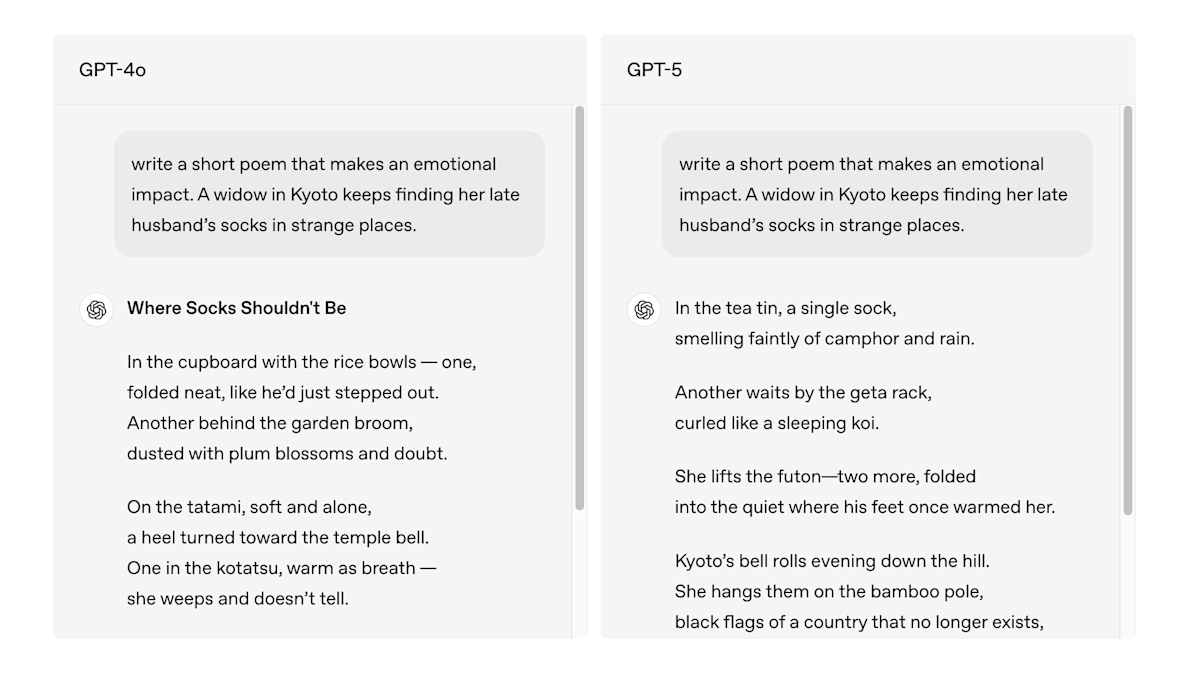
In the wake of the recent launch of OpenAI’s groundbreaking GPT-5 model, a vocal segment of users has been fervently advocating for the reinstatement of the previous GPT-4o model. Numerous users have expressed their dissatisfaction with the writing quality of the newer model, with some individuals even mourning the perceived loss of GPT-4o, which they described as a cherished companion and confidant. This passionate outcry highlights the emotional connection users often develop with advanced AI systems, emphasizing the importance of user experience in AI development.

The latest update from OpenAI touts GPT-5 as the “smartest, fastest, and most useful model yet.” In a notable change, the company has removed the option for users to select their preferred model, with the default being set to GPT-5. This new model incorporates a sophisticated “real-time router” that dynamically switches between a more efficient model for straightforward questions and a more advanced reasoning model for tackling complex queries. This innovation aims to enhance the overall user experience by providing tailored responses based on the nature of the inquiry.
The initial rollout of GPT-5 encountered several challenges that led to user perceptions of the model being “way dumber,” as articulated by OpenAI’s CEO, Sam Altman. In an attempt to clarify the situation, Altman hosted a Reddit AMA where he addressed user concerns. He asserted that the writing quality of GPT-5 surpasses that of previous iterations but sought feedback from users regarding their experiences. Many Reddit users expressed that GPT-5 felt “sterile” and “much worse,” often replying “briefly and dryly.” In response to the backlash, Altman announced on X that OpenAI would allow Plus subscribers the option to switch between GPT-5 and GPT-4o, acknowledging the community’s feedback.
In his statement, Altman admitted, “We for sure underestimated how much some of the things that people like in GPT-4o matter to them, even if GPT-5 performs better in most ways.” This candid acknowledgment indicates OpenAI’s commitment to user satisfaction and highlights the complexities involved in AI model advancements.
The announcement of GPT-4o‘s return was met with widespread celebration among loyal users; however, there remains uncertainty regarding the long-term availability of this older model. In his post on X, Altman mentioned that OpenAI “will watch usage as we think about how long to offer legacy models for.” As OpenAI continues to focus on completing the rollout of GPT-5 and implementing enhancements aimed at making it “warmer,” users who have formed a deep attachment to GPT-4o may find themselves facing a poignant transition.



 Daniel Mercer
 Brandon Fletcher