Daniel Mercer

Muse, Meta’s innovative agentic AI platform, currently allows users to access an impressive 100 million tokens per week at no cost, as highlighted in a Threads post by Mark Zuckerberg. If you’re unfamiliar with such usage limits, it may seem abstract; however, it’s a substantial amount.
In July, news broke that Meta was positioning itself to become a cloud service provider for other businesses. At the time, critics pointed out that this move indicated Meta had overinvested in data center infrastructure. A projection from April estimated that Meta would incur a staggering $145 billion in capital expenditures this year. Notably, the company’s free cash flow plummeted by an astonishing 91% from the first to the second quarter of this year, indicating that Meta is heavily investing in computational resources.
“As AI integration into our products and services accelerates, we are committed to making significant investments in infrastructure to meet this growing demand,” stated Meta CEO Mark Zuckerberg during a recent earnings call.
In a commentary on CNBC earlier this year, Alex Kantrowitz, founder of Big Technology, noted that while ChatGPT had around 900 million weekly active users at that time, Zuckerberg claimed that Meta’s services had 1 billion monthly AI users. Kantrowitz expressed skepticism, suggesting that it seemed these Meta AI users were not actively seeking out AI but rather encountering it by chance. He posed the rhetorical question, “How many intentional AI users does Meta have?” and concluded that it was “nothing close” to what ChatGPT has amassed.
So, who is actually utilizing all this computational power from Meta AI? On the day following the launch of Meta’s agentic platform Muse, I found myself using a free account, attempting to exhaust as many compute resources as possible without incurring any expenses, and I was genuinely surprised at how far I could go without hitting any limits.
Personally, I have never engaged in token-maxing like Meta’s employees did when the company encouraged them to maximize their AI compute usage. My employer does not provide unlimited AI access, nor do I have any pay-as-you-go plans feeding tokens into an AI agent running on a Mac Mini tucked away in a corner of my home. If you relate to my situation, you may not have ever activated an AI agent on its own machine—or, in Muse’s case, a virtual machine—to handle tasks for you.
Meta actively encourages users to delegate mundane tasks to Muse. The Muse platform prompts users to “Take the busywork off your plate.” I don’t have any tasks I trust an AI agent to handle, so I opted for a different approach:
I started small by asking it to use MS Paint, or a similar program, to meticulously recreate my author photo. While it informed me that there was no MS Paint equivalent available in its Linux terminal, it still fulfilled my request in what seemed like the most tedious manner: generating line-by-line Python code. Here’s the drawing, which humorously critiques my hairstyle.
Ha. Ha. Ha.
Next, I challenged it to compose a melody inspired by the emotions evoked by this drawing, program it using MIDI, and deliver a playable version. It successfully completed the task (You can download it here if you’re interested; it’s titled “Portrait Theme”).
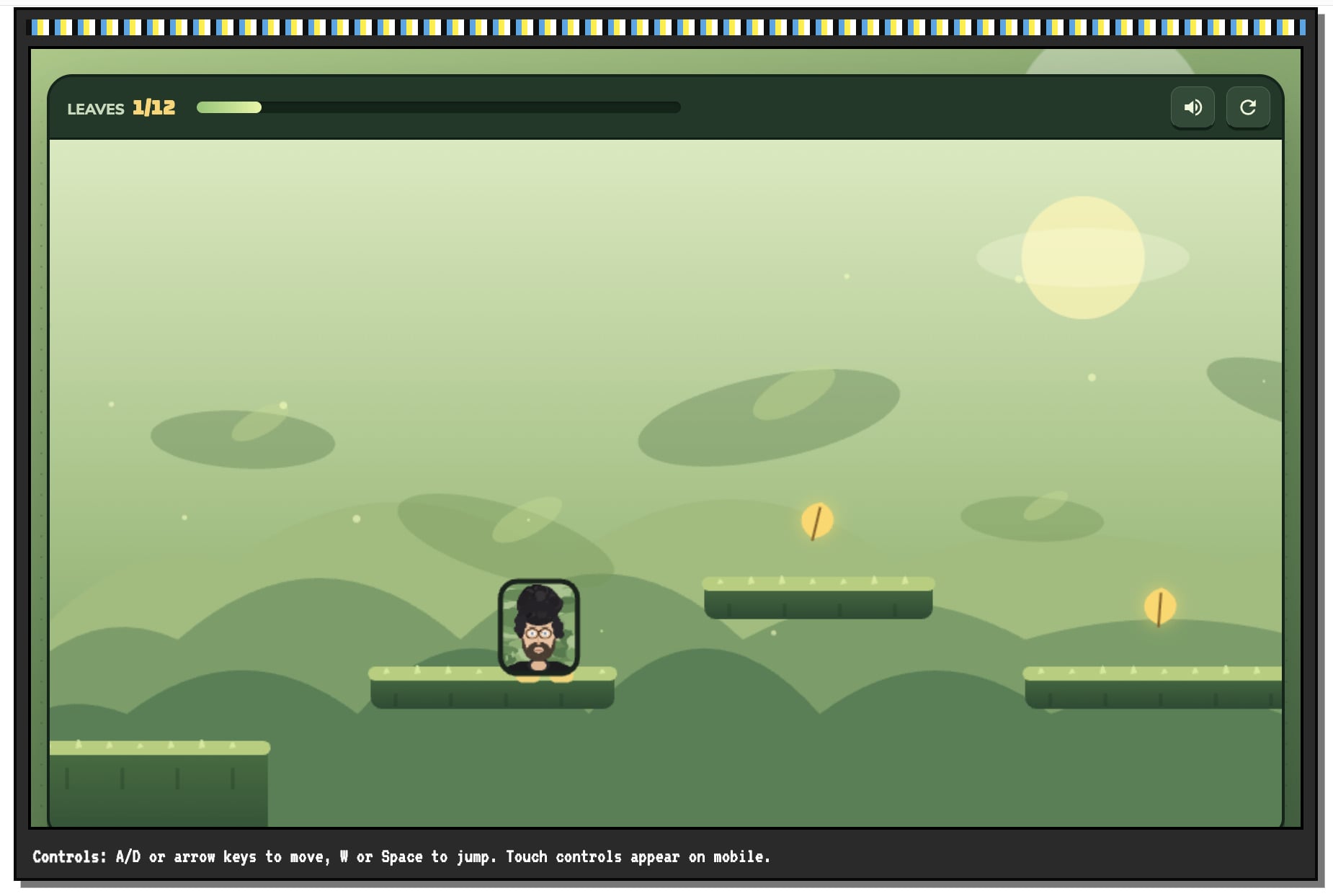
This snippet of unremarkable music sparked an idea: I would create a side-scrolling game influenced by both the drawing and the song. Muse delivered on that request.
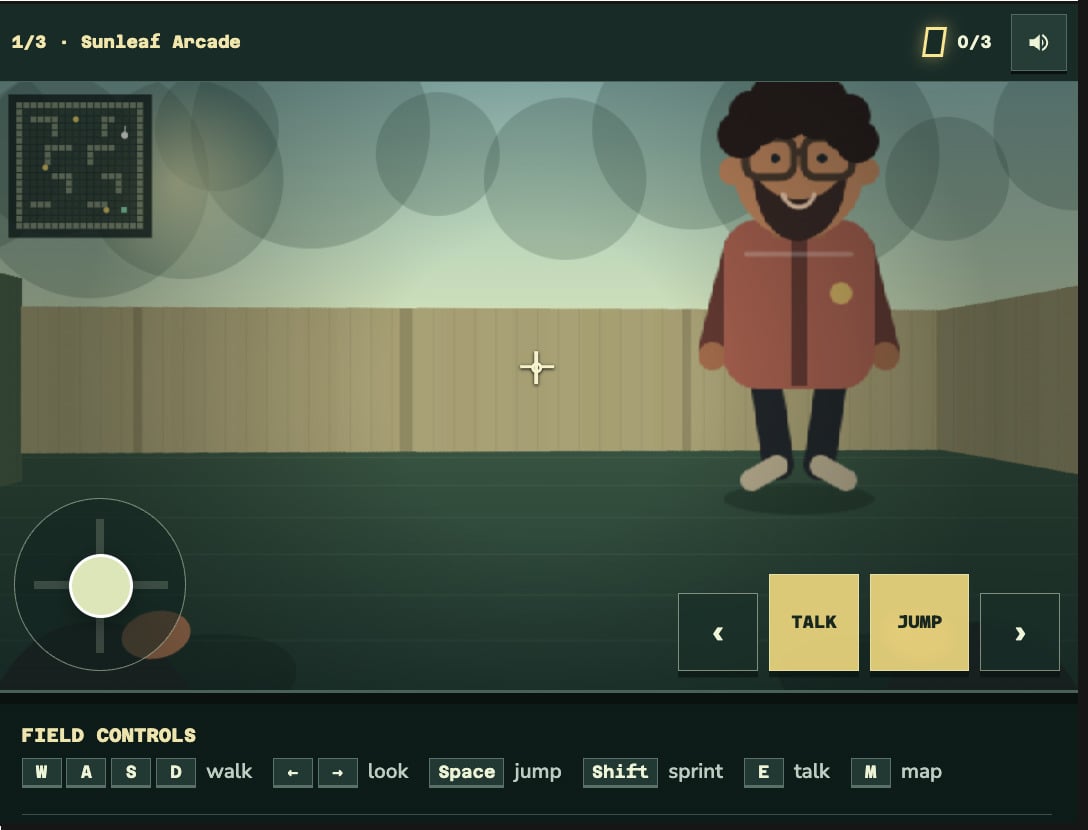
After that, I requested a first-person shooter (FPS) version. Muse created that as well, featuring multiple levels and various avatars of me as NPCs, each with complete bodies rather than just heads with poofy hair. The beard took on a distinctly Amish appearance.
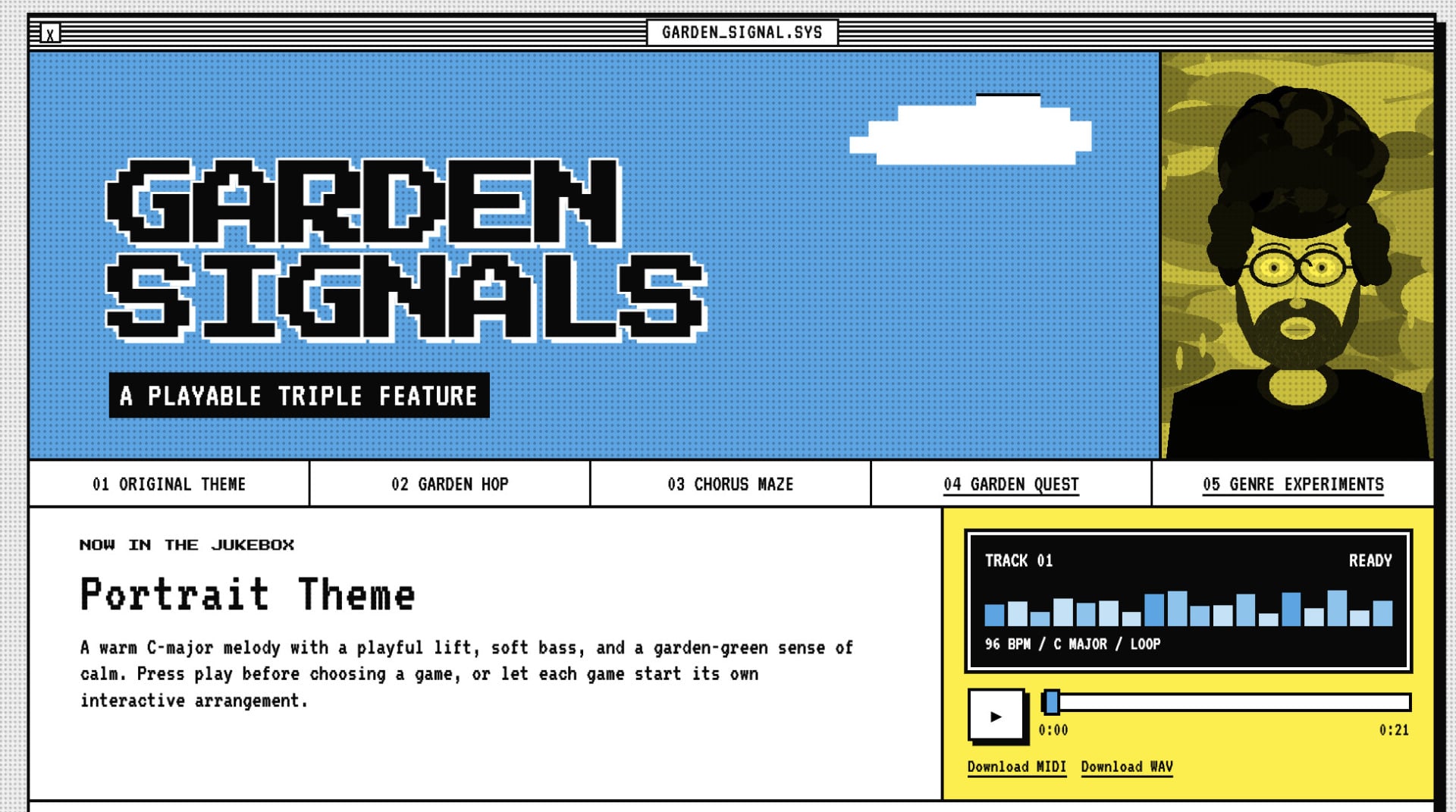
As I grew tired of simply requesting different types of basic video games, I decided to ask Muse to integrate the games into a website along with the drawing and the song, all styled with a fittingly retro aesthetic. It named the creation “Garden Signals.” Below is a later version after some adjustments:
Eager to maximize my token usage, I instructed Muse to generate 50 different genre variations of my theme tune and upload them all to a single page on the site for playback. It somewhat succeeded. I must admit that the “Genre Experiments” page on the Garden Signals site is filled with similar, lackluster melodies with slight modifications, primarily in the synthesized instrument used for the main melody. The “Dubstep” variant hardly differs from the “Sea Shanty” variant. To its credit, the “Chiptune” version does sound distinctly chiptune.
Despite the frustrating lack of genuine variety, I was taken aback—almost disappointed—by how swiftly it completed this task. I decided to ask it to create 50 unique animations that would play each time one of the songs on the “Genre Experiments” page was played. None of the animations made any coherent sense, but Muse produced them nonetheless.
At this stage, I inquired about how much of my free compute allocation I had consumed. “You’ve used approximately 6% of your weekly allowance, which resets on September 15,” it informed me, adding, “You’re far from being cut off.”
I then challenged it to develop a more complex game. The third game was a third-person adventure featuring true 3-D graphics, enemies, and a boss character. After several attempts to create something playable, Muse eventually produced “Garden Quest,” where players collect golden musical notes while battling spiders, slugs, and ultimately face a boss named the Blight, resembling a hybrid of a spider and a virus that emits energy waves and spawns additional enemies.
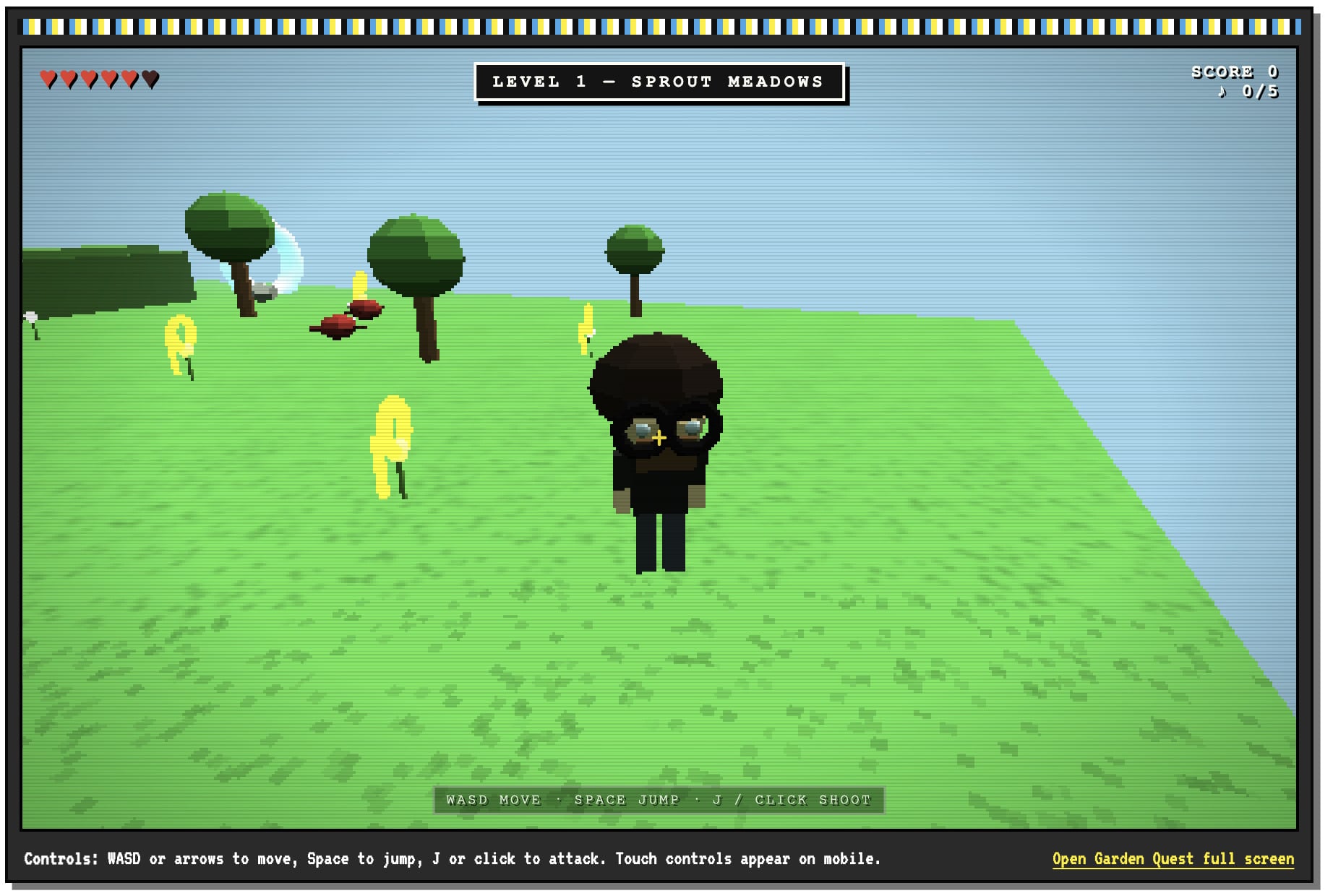
Muse integrated this game into the Garden Signals site. At this point, I realized that these agentic systems tend to lack ambition. To truly maximize token usage (and time), you need to guide them through creating something functional instead of allowing them to produce the bare minimum. Compared to the other tasks, creating Garden Quest took significantly longer. Don’t get me wrong; it’s still not a great game.
Next, I asked it to construct a fictitious bootable Mac that would run in my browser, complete with small applications—such as a paint program. It was also supposed to feature a “Games” folder containing all the games it had developed. Muse accomplished this task, and the Paint application works. It even includes a little “About This Computer” popup.
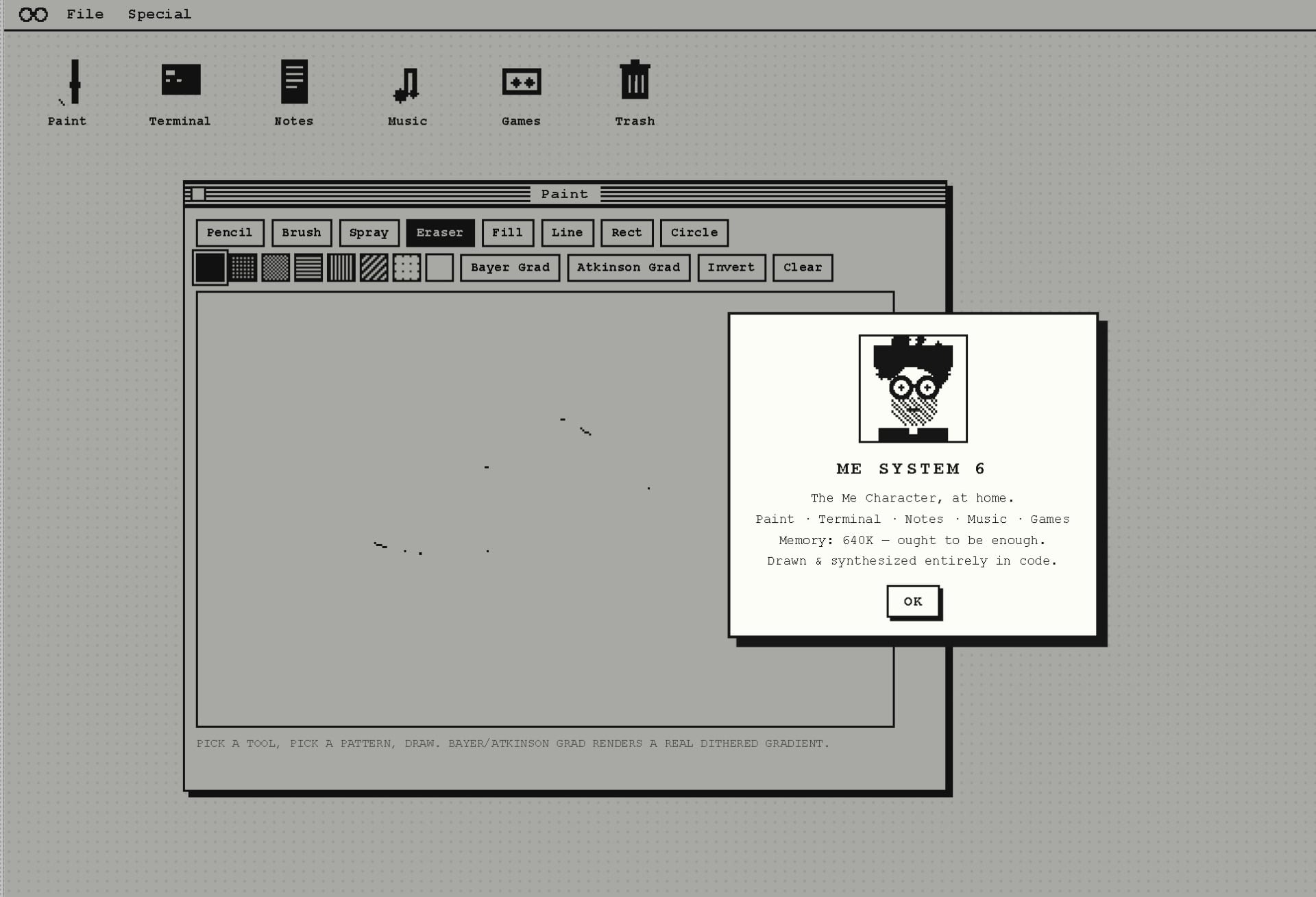
“You’re on the free plan with about 11% of your weekly allowance used, so you have ample room to explore,” it informed me upon completion of that task. I felt somewhat defeated.
My imagination related to coding is somewhat limited and perhaps a bit nostalgic, which might explain my lack of inclination to develop coding productivity tools for myself. AI agents simply don’t resonate with my interests.
So, I don’t claim to have achieved anything particularly productive with Muse, and I don’t foresee myself wanting to in the future. My primary goal was to turn on the token faucet and observe how much flowed out. The answer: an astonishingly high amount. This should not be interpreted as a product review but rather as a demonstration of the immense volume of content that Meta allows free users to generate—at least until their pricing plans change. Meta has invested heavily in building sufficient data center capacity to make all this possible. For now.



 Brandon Fletcher