David Bridges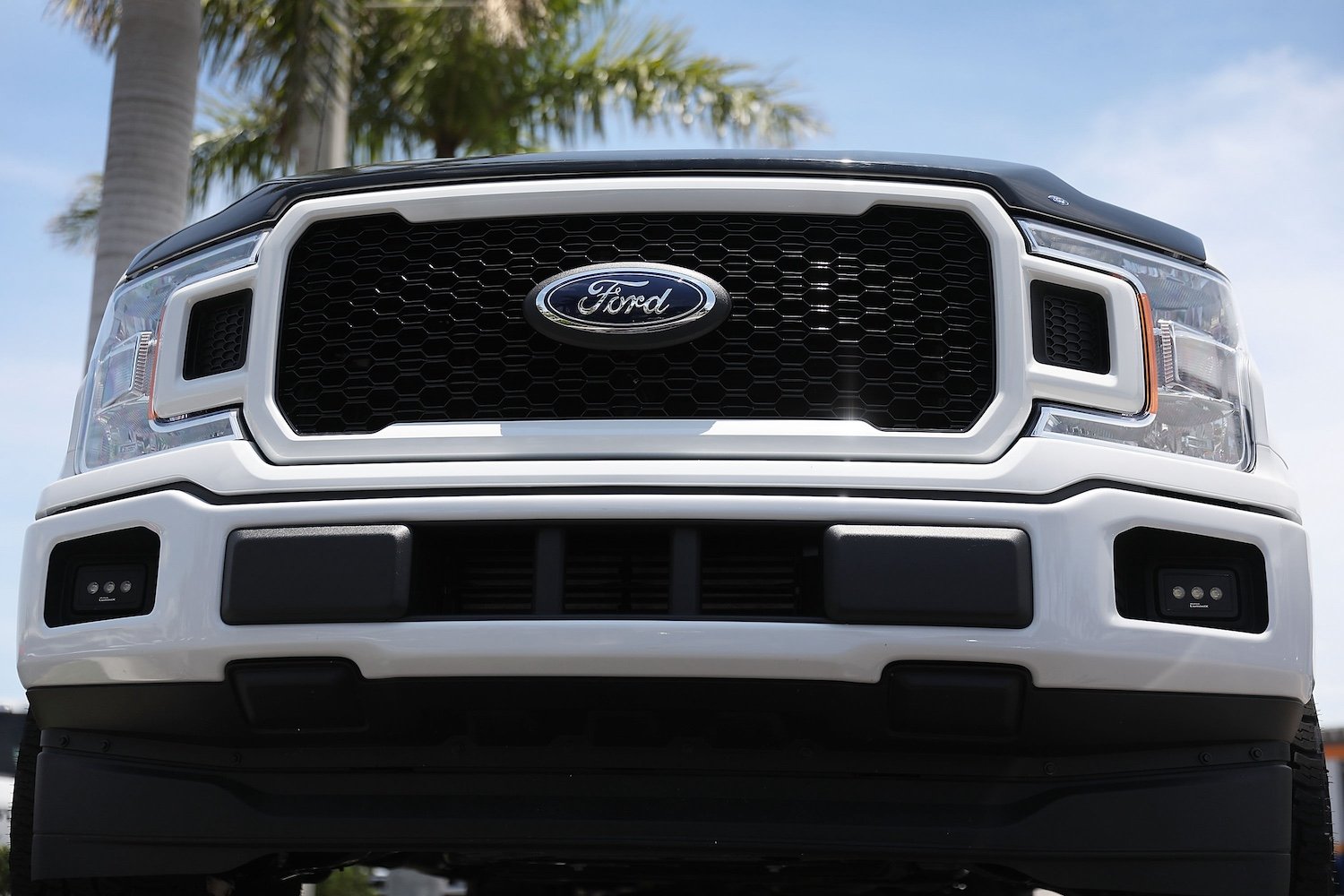
Ford is poised to unveil a groundbreaking transformation in the automotive industry. The company has scheduled a major announcement on August 11 regarding its future in the electric vehicle market, an event it is promoting as a “Model T moment.”

In a recent blog post, Ford highlighted the legacy of its most famous creation, the vehicle that “put the world on wheels” by making transportation “accessible to the masses.” This signals Ford’s belief that it is on the brink of launching a revolutionary electric vehicle that is not only capable but also, importantly, affordable. But what exactly can we expect from this announcement?
A new lead, discovered by the website Ford Authority, suggests that Ford’s innovative revolution may be driven by a nostalgic reference from its history. Just ahead of its significant announcement, Ford has applied for a trademark for the name “Ranchero,” specifically earmarked for “electric vehicles,” notably “pick-up trucks.”
Ford is revisiting a familiar strategy. The automaker has a history of utilizing its own classic brands, repurposing cherished, fuel-consuming names from its past to promote a radically different electric future. They achieved this with the Mustang Mach-E, overcoming initial backlash from traditionalists to transform it into a best-selling electric SUV. They replicated this success with the F-150 Lightning, attaching their most iconic truck name to their flagship EV pickup. Additionally, with the Maverick, they resurrected another legendary name to capture the interest of a new generation of consumers.
The trademark application for Ranchero indicates that Ford is preparing for yet another revival. However, the stakes are particularly high this time around. The company is committed to producing “breakthrough electric vehicles” manufactured in America. According to various reports, Ford is in the process of creating a cost-effective electric platform designed to support a variety of future models, beginning with a midsize pickup. This strategic initiative could give Ford a competitive edge in the quest for EV affordability, a challenge that even industry leader Tesla has yet to fully address.
The Ranchero nameplate hasn’t graced U.S. roads since 1979, but its legacy is unique within Ford’s extensive lineup. Introduced in 1957, the original Ranchero blurred the boundaries between a car and a truck, providing the comfort and aesthetics of a sedan combined with the functionality of a pickup bed. It quickly garnered a loyal following among farmers, tradesmen, and California surfers alike.
It went head-to-head with Chevrolet’s El Camino, emerging during a trend of “car-truck hybrids” that can trace their ancestry back to Australian “utes” from the 1930s—versatile vehicles capable of hauling hay bales in the morning and transporting churchgoers in the afternoon.
Experience a “Model T Moment” in the Electric Vehicle Revolution
Ford is clearly embracing the symbolism associated with its storied past. In the blog post, the company’s heritage team referenced the inception of the Model T, the 1908 automobile that revolutionized personal transportation by making it accessible to the general public. Conceived in secrecy on the third floor of Ford’s Piquette Plant, the Model T was designed to be universal: affordable, easy to repair, and adaptable for various uses, from climbing Pike’s Peak to serving as a snowmobile. Ford aspires to recreate that groundbreaking innovation, but this time with electric vehicles.
“Now Ford is going back to its roots for another Model T moment,” the company articulated. “Ford leaders will provide more details about our plans to design and manufacture breakthrough electric vehicles right here in America.”
If the Ranchero plays a role in this vision, it could reintroduce the practicality and character of the car-pickup hybrid for a new generation of drivers—this time powered by electricity instead of gasoline. If history serves as a guide, the electric iteration of the Ranchero could seamlessly connect the worlds of work and leisure in a market where most EV pickups have primarily focused on size and luxury, rather than versatility and affordability.



 Daniel Mercer
 Brandon Fletcher