 Brandon Fletcher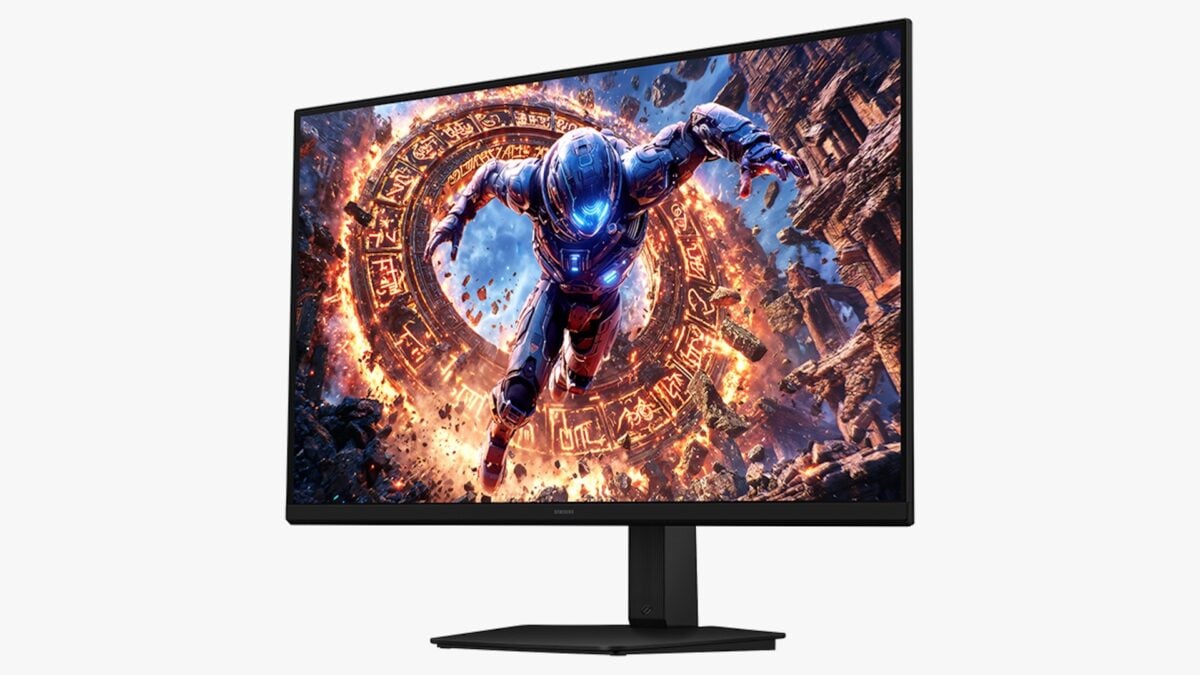

While 8K resolutions on televisions haven’t revolutionized the large-screen experience, Samsung envisions a future where 4K will be considered outdated. The spotlight now shifts to the cutting-edge Odyssey G8 gaming monitor, which supports impressive 6K resolutions, offering sharper details and more vivid visuals for the limited number of games that can take advantage of such high pixel densities.
The Samsung Odyssey G80HS is a remarkable 32-inch IPS LCD monitor that delivers a stunning 6K resolution (6,144 x 3,456) at a refresh rate of 165Hz. Users can easily switch the monitor’s pixel count down to 3K (3,072 x 1,728) with a speedy 330Hz for those seeking enhanced gaming performance. As higher resolutions demand increased pixel counts, the G8 can achieve a maximum of 224 PPI (pixels per inch). Achieving visual clarity relies heavily on maximizing screen pixels, which is where the 6K resolution proves advantageous for a 32-inch display.
Discover the Odyssey G8 (G80HS) on Amazon
Explore the Odyssey G8 (G80HS) on Samsung.com
The Odyssey series from Samsung is primarily designed with gamers in mind. You might wonder why a $1,600 non-OLED monitor like the G80HS is worth considering. Samsung guarantees a wide viewing angle for LCDs, reaching up to 178 degrees without compromising visual fidelity. It boasts a rapid 1ms pixel-to-pixel response time, enabling swift image transitions. The primary appeal lies in delivering content at an elevated pixel density.
In comparison, 6K resolution features nearly 2.5 times the pixel count of 4K, commonly known as UHD. The challenge with 8K televisions stemmed less from technological limitations and more from a lack of content to support such high resolutions. Some high-profile titles, like Cyberpunk 2077 and Ghost of Tsushima, may reach 6K resolution. Samsung maintains support for its HDR10+ standard but does not include Dolby Vision for high dynamic range content.
The Odyssey G80HS is designed to achieve a typical brightness of 350 nits and a peak luminance of 400 nits. This brightness level may not seem impressive for an IPS monitor commanding such a premium price tag.
If you prefer a more conventional option, consider the $1,300 Odyssey G80SH, which is a 32-inch 4K OLED model that offers 300 nits of typical brightness and can reach up to 1,000 nits with HDR.
Samsung is also launching the G80HF, a 27-inch monitor that supports 5K resolution and features an IPS display, retailing for $950.
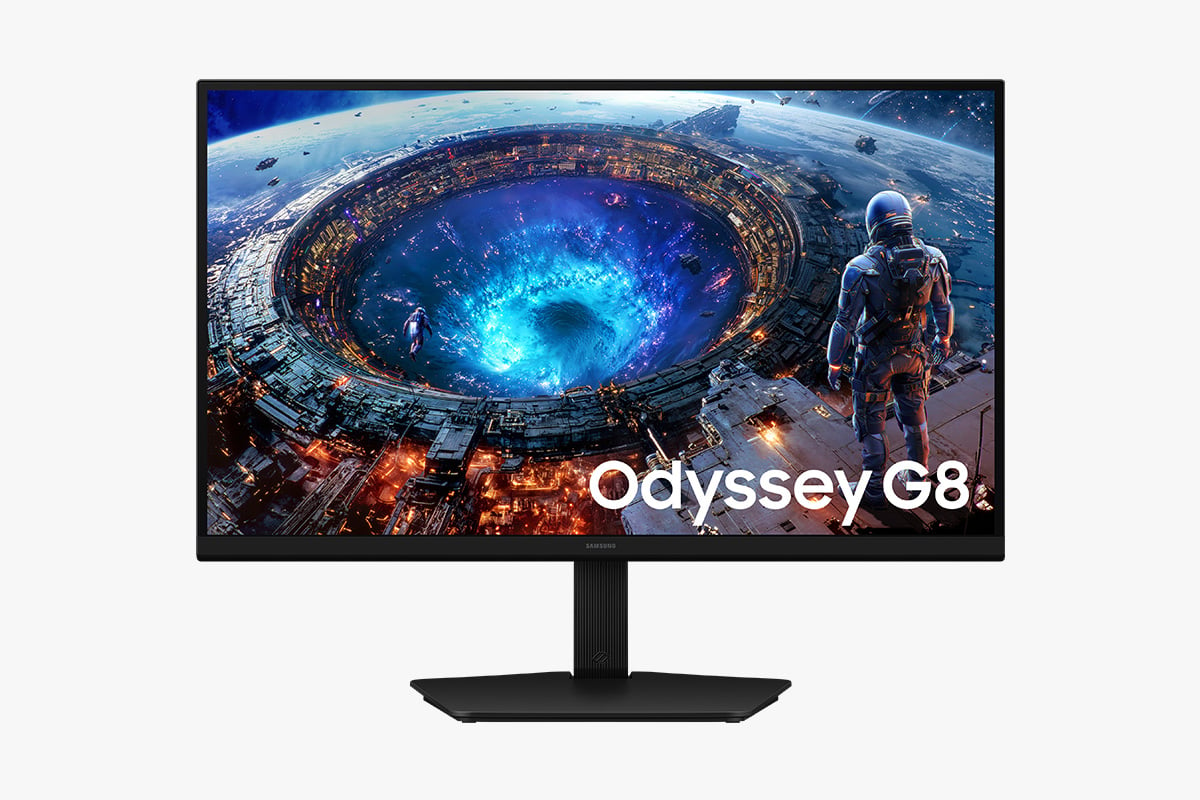
Your ability to achieve playable frame rates at the highest resolution while still maximizing graphics settings or ray tracing capabilities will depend on your computer’s specifications. There are valid reasons for the existence of 5K and even 6K monitors. Creative professionals, such as those working with video editing or 3D modeling, benefit from ultra-high-definition screens like Apple’s Studio Display XDR, especially when precision is essential.
In the realm of gaming, 6K remains relatively unexplored compared to 4K. Fortunately, you are less likely to encounter a repeat of the situation with the PlayStation 5, which initially promoted its 8K capabilities. Sony later eliminated all references to 8K on its console packaging when it became evident that few games supported that resolution. The landscape may evolve differently for 5K and 6K, but we cannot guarantee that the difference between UHD and these emerging high-resolution monitors will be easily discernible.
Discover the Odyssey G8 (G80HS) on Amazon
Explore the Odyssey G8 (G80HS) on Samsung.com


 Daniel Mercer