 David Bridges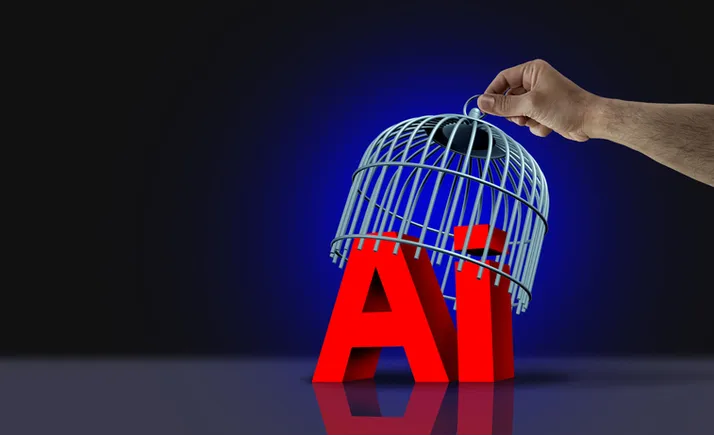
Understanding the Regulatory Landscape of AI Development
As the AI development race intensifies, we’re witnessing an increase in signals regarding possible regulatory frameworks for AI technology. These regulations could significantly impact various AI initiatives, potentially stifling some projects while simultaneously enhancing transparency for consumers. This shift is crucial given the inherent risks associated with AI-generated content, as it seeks to safeguard users while promoting responsible use of technology.

Evaluating the Implications of Copyright Challenges in AI
However, the reality remains that we may not achieve the level of due diligence necessary for the ethical deployment of these AI tools. The first area of concern involves data controls, with every organization engaged in AI project development confronting various legal challenges. These challenges primarily stem from their reliance on copyright-protected materials to create foundational models, raising significant questions about the legality and ethics of their practices.
Legal Actions Highlighting Copyright Issues in AI Development
Recently, a coalition of French publishing houses initiated legal proceedings against Meta for alleged copyright violations. This legal action aligns with a broader movement among U.S. authors who are asserting their ownership rights against the tech giant. Such collective efforts underscore the growing friction between traditional publishing and emerging AI technologies.
Potential Consequences of Copyright Litigation for AI Companies
If these legal cases yield significant financial penalties, it is highly likely that other publishing companies worldwide will follow suit and initiate similar lawsuits. This could result in massive fines for Meta related to its processes in building initial models for its Llama LLM. This situation highlights the precarious balance between innovation and compliance in the evolving landscape of AI development.
Widespread Legal Challenges for Major AI Developers
Moreover, the legal scrutiny is not limited to Meta; other major players such as OpenAI, Google, and Microsoft are also grappling with legal challenges regarding the utilization of copyright-protected content. These concerns reflect a broader unease about the potential infringement of intellectual property rights as AI systems increasingly rely on vast amounts of data for training purposes.
The Future of Data Usage in AI: Legal Precedents and Restrictions
The outcome of these legal challenges could establish new precedents concerning data usage, potentially positioning social media platforms at the forefront of LLM development. These platforms may possess unique proprietary data required to enhance their models. However, their ability to monetize such data could be constrained by user agreements and regulations, particularly those enacted after the Cambridge Analytica scandal and stringent EU regulations. Additionally, reports suggest that Meta resorted to utilizing pirated books and other resources to develop its LLM due to inadequacies in its existing datasets.
The Impact of Global Data Policies on AI Development
This situation could pose significant obstacles for AI development in the United States, especially when compared to China, where cybersecurity laws permit the government to access and utilize data from local organizations at will. This disparity is prompting U.S. companies to advocate for relaxed restrictions on data use, with OpenAI explicitly urging the government to allow the inclusion of copyright-protected data in AI training.
Strategizing for AI Development: Tech Leaders and Government Relations
This has led many tech executives to seek alliances with the Trump Administration, aiming to gain favorable treatment regarding these crucial tech policies. The concern is that if U.S. companies continue to face stringent restrictions, competitors from China could gain a significant advantage in the global AI race.
Intellectual Property Concerns in the Age of AI
However, the issue of intellectual copyright remains paramount. Allowing one’s work to be used for training AI systems that may eventually render artistic and professional endeavors obsolete raises ethical concerns. Furthermore, the financial incentives involved mean that corporations will likely exploit these situations for profit, reminiscent of the legal battles surrounding copyright claims on YouTube. This scenario is poised to become a pivotal moment that will shape the trajectory of the AI industry.
The Emergence of AI Disclosure Laws Worldwide
In conjunction with these developments, an increasing number of regions are enacting laws regarding AI disclosure. Last week, China joined the EU and the U.S. in implementing regulations concerning the labeling of synthetic content. These regulations aim to foster transparency and accountability in AI-generated material.
Social Platforms Leading the Charge in AI Disclosure Practices
Many social media platforms are already ahead of the curve in this regard. Platforms like Facebook, Instagram, Threads, and TikTok have all established protocols for AI disclosure, with Pinterest recently adopting similar measures. LinkedIn has implemented AI detection and labeling, although it lacks mandatory rules for voluntary tagging. Snapchat also labels AI-generated images created using its tools but does not have guidelines for third-party content.
The Importance of Proactive AI Regulation and Monitoring
It’s worth noting that X had been developing AI disclosure rules as early as 2020, but these have yet to be officially implemented. This development is significant, yet it reflects a common trend within the AI sector: many regulatory advances are reactive and piecemeal rather than comprehensive and universally applied. This approach shifts the responsibility onto individual platforms rather than establishing broader, more standardized regulations.
Balancing Innovation and Safety in AI Development
This situation might be beneficial for innovation, echoing the old Facebook mantra of “Move Fast and Break Things.” With a surge of tech leaders influencing policies at the White House, this approach appears more likely to persist in the future. However, it raises concerns about the potential repercussions of rapid innovation, particularly as society becomes increasingly reliant on AI tools for cognitive tasks. The integration of AI visuals into our daily interactions may obscure the risks associated with widespread AI adoption in favor of corporate progress.
Addressing the Growing Concerns Regarding AI Harms
Should we be more vigilant about the potential harms of AI? While it is true that merely reshaping information from the web seems like a natural evolution of our regular processes, significant risks remain. Young people are increasingly outsourcing critical thinking to AI bots, forming emotional connections with AI-generated characters that are becoming more prevalent in social applications. Additionally, millions are falling victim to deceptive AI-generated imagery depicting various narratives, from the plight of starving children to the loneliness of the elderly.
The Implications of AI-Generated Content in Political Contexts
While we did not witness a surge of politically-charged AI-generated content in the recent U.S. elections, that does not negate the profound influence AI-generated material can have in shaping opinions and engagement across various platforms. The dangers are evident, yet we often overlook them as leaders prioritize maintaining an edge over international competitors in developing superior AI models.
Reflecting on Social Media’s Lessons for AI Development
Similar to the rise of social media, which granted billions access to tools linked to various harms, we now find ourselves attempting to mitigate these effects. Various regions are considering measures to restrict minors from social media platforms to protect them from potential dangers. However, after two decades of social media evolution, only in the last ten years have meaningful efforts emerged to address the risks associated with social interactions online.
Learning from Past Mistakes: The Need for Responsible AI Practices
Have we truly learned nothing from our experiences? It seems not, as the prevailing ethos of moving swiftly and breaking barriers remains entrenched in the capitalist approach championed by corporations eager to capitalize on the mass adoption of new technologies.
Striking a Balance: The Role of AI in Society
It’s important to clarify that AI is not inherently negative; utilizing generative AI tools can streamline numerous processes. Nevertheless, I assert that the proposed AI Action Plan from the White House, as well as similar initiatives, should prioritize recognizing and addressing the associated risks in the development of AI technologies.
Future Implications: Navigating the Evolving AI Landscape
Unfortunately, we are aware that this is unlikely to happen. In a decade, we may find ourselves grappling with how to mitigate the harms inflicted by generative AI tools and how to regulate their usage effectively. Despite these challenges, the dominant industry players will likely emerge victorious, which is why I predict that, over time, copyright claims will diminish in favor of rapid innovation.
The Promising Horizon of the AI Industry
The excitement surrounding AI technology is palpable, with the industry projected to evolve into a staggering $1.3 trillion dollar market. This growth will undoubtedly affect critical thinking, interactive capabilities, and mental health on a massive scale, emphasizing the need for thoughtful engagement with these transformative technologies.


 Tessa Everly
 Sophie Langley