 Brandon Fletcher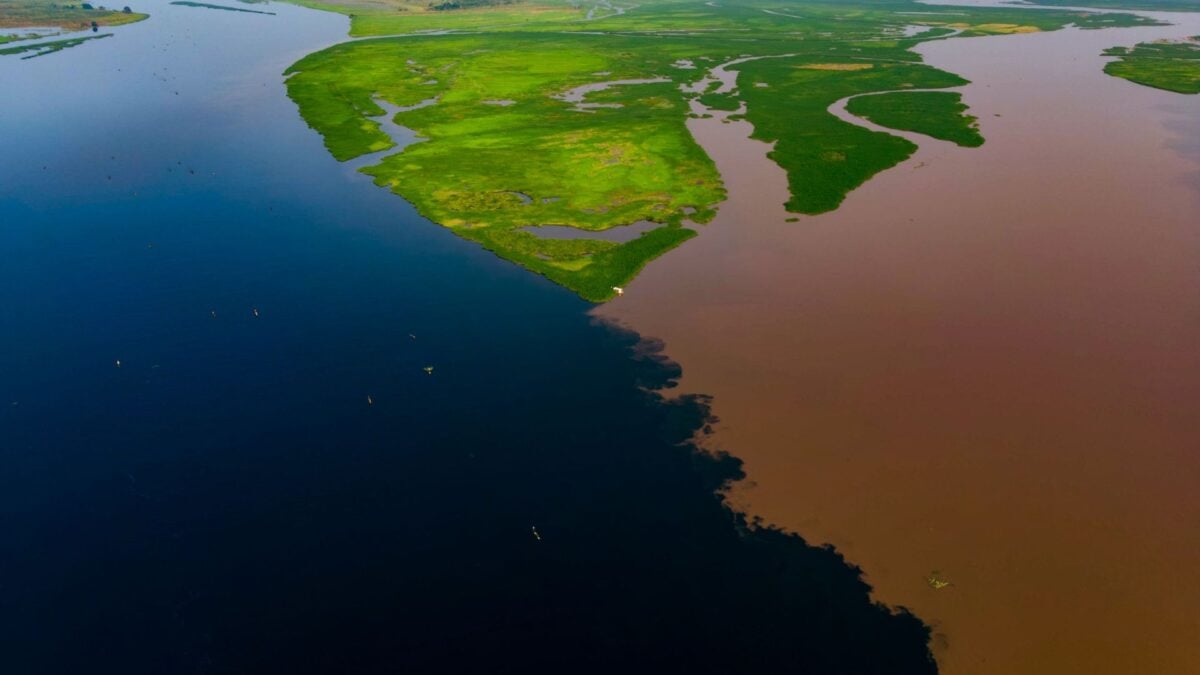

The Congo Basin is a carbon sink because it absorbs vast amounts of carbon dioxide (CO2), which matters for global climate regulation. This unique ecosystem plays a critical role in maintaining ecological balance and combating climate change.
At SocialSchmuck, we specialize in Social media, Entertainment, and Technology news, helping our audience stay informed about vital environmental issues. Our insights empower readers to understand the implications of climate change and the importance of preserving natural resources.
Our platform monetizes through advertising, partnerships, and sponsored content, ensuring we deliver valuable information while maintaining financial sustainability. We aim to bridge the gap between technology and environmental awareness.
This guide covers the following key attributes: the role of the Congo Basin in carbon storage, the impact of climate change on peatlands, the significance of recent research findings, and potential future implications for global carbon emissions.
What is the significance of the Congo Basin’s carbon storage?
The Congo Basin’s peatlands cover only 0.3% of Earth’s land surface but store approximately 30 billion metric tons of carbon. This amount represents one-third of all carbon stored in tropical peatlands. Recent studies indicate that these ecosystems are beginning to release carbon, challenging previous assumptions about their stability.
Research published in Nature Geoscience highlights that two lakes, Lac Mai Ndombe and Lac Tumba, are now emitting CO2. Up to 40% of this CO2 originates from ancient peat deposits. This alarming trend raises questions about the long-term viability of these vital carbon sinks.
- The Congo Basin is the world’s largest land-based carbon sink.
- It plays a crucial role in global climate regulation.
- Recent studies show a shift in carbon dynamics.
- Peatlands are now releasing significant amounts of CO2.
How much carbon is being released from the Congo Basin?
Research indicates that Lake Mai Ndombe may be releasing over 150 gigatons of ancient carbon annually. This finding underscores the importance of understanding the carbon cycle within these ecosystems. The lakes are surrounded by swamp forests with thick peat deposits, which have accumulated over thousands of years.
During the study, researchers collected water samples and found that 39% of the carbon in Lake Mai Ndombe and 40% in Lake Tumba comes from peat. This suggests that the breakdown of long-stored peat is a significant source of CO2 emissions from these lakes.
| Lake | Carbon Release (Gigatons) | Peat Contribution (%) |
|---|---|---|
| Lac Mai Ndombe | 150+ | 39% |
| Lac Tumba | Not specified | 40% |
What factors contribute to carbon release from peatlands?
The mechanisms behind carbon release from peatlands remain unclear. Researchers suspect that microbial activity may play a significant role. As microbes consume stored carbon, they convert it into methane, which can then escape into the atmosphere as CO2.
Climate change may exacerbate this process. Rising global temperatures can lead to prolonged droughts, which may dry out peatlands. This exposure to oxygen can accelerate decomposition, further destabilizing these ecosystems.
Historical evidence suggests that similar destabilization events have occurred in the past, resulting in massive organic carbon losses. If current warming trends mirror these past events, a feedback loop could emerge, worsening climate change.
- Microbial activity may convert stored carbon into methane.
- Climate change could lead to peatland destabilization.
- Historical data indicates past carbon loss events.
- A feedback loop may exacerbate current climate conditions.
What are the implications of these findings for the future?
Researchers are concerned that the Congo Basin’s blackwater lakes could become significant sources of greenhouse gases. The proximity to a potential tipping point remains uncertain. Future studies aim to investigate the mechanisms behind these findings and how carbon emissions have evolved over the past 12,000 years.
The ultimate goal is to establish a baseline for the carbon budget of these peatlands. Understanding their current stability is crucial for assessing future changes and mitigating climate impacts.
As of 2026, ongoing research will provide insights into the long-term viability of the Congo Basin as a carbon sink. The results could inform global climate strategies and conservation efforts.

 Daniel Mercer
 Ethan Carter