 Ethan Carter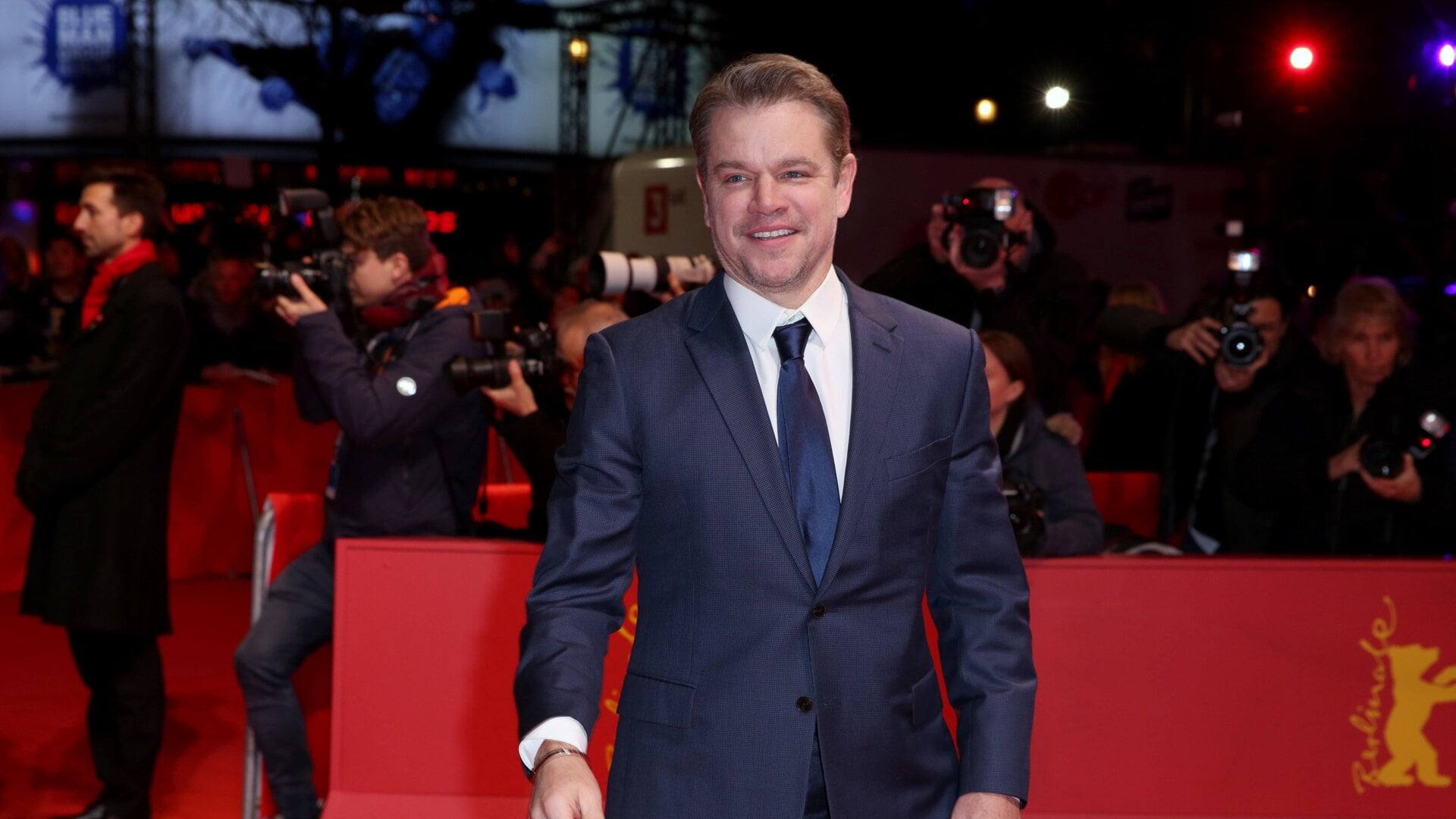

Matt Damon is making a comeback in the cryptocurrency promotional landscape, this time under the more appealing banner of clean water initiatives and philanthropy. As reported by Bloomberg, the actor and co-founder of Water.org will take the stage at Ripple’s major conference in October, just months after Ripple became a payment partner for his nonprofit organization.
Damon’s previous venture into cryptocurrency advertising is memorable. In October 2021, Crypto.com launched its “Fortune Favors the Brave” campaign, coinciding with the peak of the speculative market. Directed by the acclaimed Wally Pfister, known for his work on Christopher Nolan films, the ad featured Damon in a futuristic gallery celebrating explorers, astronauts, inventors, and other historical figures who took significant risks.
In the commercial, Damon highlighted individuals who almost achieved greatness but hesitated at crucial moments. He walked past representations of innovators like the Wright brothers and climbers striving to conquer Mount Everest, ultimately delivering the impactful tagline: “Fortune favors the brave.” The advertisement clearly suggested that opening a Crypto.com account was akin to embarking on a journey into uncharted territories.
By the time Super Bowl LVI aired in February 2022, the commercial had become iconic. Although Crypto.com showcased a different ad featuring a digitally de-aged LeBron James, Damon’s campaign remained linked to the media’s term “Crypto Bowl,” which referred to the numerous cryptocurrency ads that dominated the event.
Another cryptocurrency exchange, FTX, which later faced bankruptcy due to Sam Bankman-Fried’s misuse of customer funds (he is currently seeking a pardon from Trump), used Larry David’s first commercial to illustrate him dismissing significant inventions throughout history before ultimately rejecting the exchange. Meanwhile, Coinbase captured its minute of airtime with a vibrant QR code bouncing across the screen, reminiscent of an old DVD screensaver. These marketing strategies represented a pivotal moment when crypto firms invested heavily to connect with everyday consumers just as the market was on the brink of a severe downturn.
Damon became a focal point for the ensuing backlash. Critics accused him of legitimizing a speculative market and encouraging inexperienced viewers to take financial risks. The ad faced widespread criticism online, with many labeling it an advertisement for a pyramid or Ponzi scheme, despite those terms carrying specific legal definitions that have not been established against Crypto.com. In the New York Times Magazine, Jody Rosen expressed his discomfort, stating, “I could not shake the feeling that culture has taken a sinister turn,” after viewing the ad multiple times during various sports broadcasts.
The mockery reached the animated series South Park. In the 2022 Paramount+ special The Streaming Wars Part II, the show lampooned Damon and other celebrities endorsing crypto. The show’s portrayal of Damon echoed the “fortune favors the brave” phrase in the context of a humorous skit involving drinking urine.
In a March 2023 interview with the Associated Press, Damon revealed another motivating factor for his involvement. He shared that Water.org faced significant financial challenges, prompting him to donate his entire paycheck from the ad to the organization. He mentioned that Crypto.com learned of his decision and generously donated an additional $1 million. Damon expressed his gratitude for the support the company provided to the nonprofit.
How Charitable Endeavors Can Mask Crypto Promotions
Water.org, co-founded by Damon and engineer Gary White, aims to enhance access to safe drinking water and sanitation solutions. While this mission is commendable, it does not mitigate the implications of associating Damon’s reputation with a volatile financial product at a particularly precarious time. Notably, when Damon’s commercial aired on October 28, 2021, Crypto.com’s proprietary CRO token was trading around $0.20, subsequently peaking above $0.89 before plummeting. Currently, CRO is valued at approximately $0.056, representing a staggering 72% decline from its launch price and over 93% from its all-time high.
The CRO token always seemed like a ponzi to me due to the high rewards on their cards combined with the requirement to stake CRO
— Kyle Torpey (@kyletorpey) May 4, 2022
Crypto.com had previously encouraged users to purchase and stake CRO to unlock rewards, yield higher returns, and enjoy other platform benefits. Although labeling this arrangement a Ponzi scheme would exceed the legal framework, the reliance on new, retail-focused demand to sustain rewards created dynamics that could be described as Ponzi-like. Leveraging a trusted celebrity or philanthropic cause to reduce skepticism mirrors tactics often seen in affinity fraud, where promoters exploit the trust associated with respected figures. A charitable donation may benefit its recipients while simultaneously granting companies goodwill, access, and legitimacy. the charitable intent does not inherently validate the marketed financial product.
Ripple Faces Skepticism Even Within Crypto Circles
Damon and Water.org are now associating their credibility with Ripple. The SEC filed a lawsuit against Ripple in December 2020, alleging that the company and its executives raised over $1.3 billion through unregistered XRP sales. A federal judge later ruled that Ripple’s institutional sales constituted a violation of securities law, although automated sales on public exchanges were deemed compliant. The case concluded in August 2025 with Ripple facing a $125 million penalty imposed a year earlier and an injunction regarding future institutional sales.
Ripple also contributed around $4.9 million (in XRP) to Donald Trump’s 2025 inaugural committee, according to Fortune, making it the second-largest corporate contributor to the committee. This timing raised eyebrows, particularly as the SEC under the administration appeared to back away from several cryptocurrency cases. While there is no concrete evidence of an explicit quid pro quo, the overlapping donations, policy shifts, and settlement discussions are crucial context.
Damon is set to deliver a keynote address at Ripple Swell, scheduled for October 27-29 in New York City. His participation aligns with Ripple’s involvement in Water.org’s Get Blue campaign, which aims to utilize Ripple Payments and Ripple’s RLUSD stablecoin to facilitate funding for water and sanitation projects through microfinance partners.
This isn’t Ripple’s first foray into charitable initiatives featuring XRP. In 2018, Ashton Kutcher and investor Guy Oseary appeared on The Ellen DeGeneres Show to announce a $4 million donation from Ripple to the Ellen DeGeneres Wildlife Fund. Kutcher praised Ripple’s technology, explained its benefits to the audience, and even demonstrated an XRP transfer live on air.
Ripple co-founder Chris Larsen later pledged $5 million to the “Change the Code, Not the Climate” campaign, an initiative by Greenpeace USA and the Environmental Working Group aimed at urging Bitcoin developers to abandon the proof-of-work consensus mechanism. Many Bitcoin supporters perceived this campaign as an attack on a competing network funded by an executive whose wealth was closely tied to XRP.
No XRP in the US Strategic Bitcoin Reserve!
I’m not a maximalist. Exodus lists a lot other than bitcoin.
Bitcoin is the most decentralized asset with a fixed supply. The battle of 2017 proved this.
Ripple can change anything about XRP at any time.
No XRP in the reserve! https://t.co/DYFLSJZ1Tw
— JP Richardson (@jprichardson) January 28, 2025
Criticism of Ripple from the broader cryptocurrency community intensified last year during discussions about which digital assets should be included in a potential federal crypto reserve. “Ripple can change anything about XRP at any time,” noted Exodus CEO JP Richardson at the time. “No XRP in the reserve!”
Philanthropic efforts have frequently provided Ripple with favorable media coverage while the company sold substantial amounts of XRP. For years, Ripple financed a considerable portion of its operations through XRP sales. The SEC previously alleged that Ripple raised over $1.38 billion through XRP sales to fund operations, while co-founder Chris Larsen and CEO Brad Garlinghouse reportedly earned around $600 million from their own unregistered sales.
XRP reached a peak of approximately $3.65 last summer as traders anticipated the resolution of the SEC lawsuit and speculated that the token might be included in a federal digital asset reserve. Currently, it trades near $1.06, marking a decline of about 71%, despite the backing of Damon, Water.org, and a new charitable collaboration aimed at enhancing Ripple’s credibility.


 Daniel Mercer
 Brandon Fletcher