 Daniel Mercer
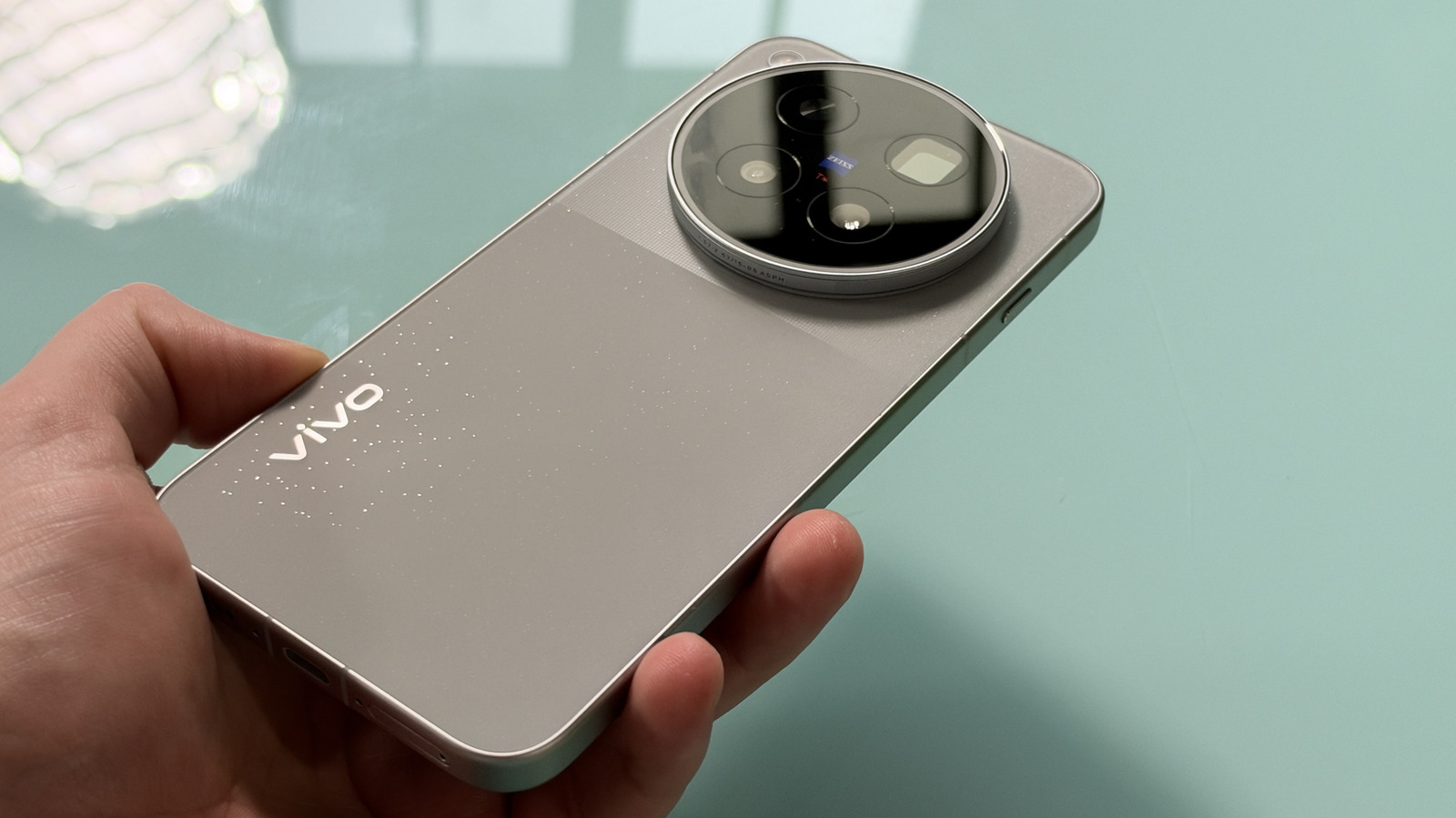

The standout feature of this camera upgrade is the new 50-megapixel Sony Lytia 1/1.28-inch sensor, equipped with an f/1.6 aperture that delivers an impressive 17 stops of dynamic range, thanks to the innovative LOFIC technology. it includes a 50MP ultra-wide camera with a 1/1.75-inch sensor, while the telephoto camera boasts a larger and higher-resolution 200MP 1/1.4-inch sensor, providing lossless zoom capabilities up to 10x magnification.
Vivo places a strong emphasis on image stabilization once again. The main sensor features a three-degree gimbal-grade stabilization system, which became evident when I compared the video footage to that from the Find X10 Pro. The telephoto camera is equipped with CIPA 7-rated optical image stabilization (OIS). These two systems serve similar purposes: the three-degree rating indicates the physical range of motion that the camera can compensate for, while the CIPA 7.0 rating assesses the effectiveness of anti-shake in relation to exposure time.
The CIPA 7.0 rating found on the periscope telephoto camera is particularly beneficial for optimizing performance in low light and during long zoom scenarios, where even minor hand movements can impact image capture. The three-degree gimbal-grade OIS proves especially useful for stabilizing shots during action-packed scenes and when recording video while walking.
Video capabilities remain a crucial aspect of the X500 Pro Max’s offerings. The “Pro Video Mode” allows users to utilize custom LUTs, complete with real-time previews to visualize the final look. Vivo’s log format is compatible with the ACES workflow, catering to video professionals who rely on smartphone cameras.
Thanks to the advancements in gimbal technology, the video footage I captured with the X500 Pro Max is among the smoothest and most stable I have ever recorded without the aid of a dedicated gimbal or robotic camera system. In low-light conditions, the footage maintained clarity without the distracting pulsing pixel effect commonly associated with cameras that struggle to maintain focus.
The pro camera interface appears professional, yet the on-screen buttons and readouts can feel somewhat small on the 6.85-inch display. It is important to note that the X500 Pro Max does not include an open-gate recording option, which is available on Oppo’s Find X10 Pro Max. This is a point in favor of Oppo. With an upgraded processor compared to the Ultra, the X500 Pro Max now supports 4K video recording at an impressive rate of up to 240 fps, effectively doubling the X300 Ultra’s limit of 120 fps.
Vivo’s LOFIC camera sensor employs a different technology than Oppo’s DeepPix, yet both achieve similar results: 17 stops of dynamic range. The approach differs, as the LOFIC sensor incorporates additional capacitors within each pixel to capture and store excess light charge. In contrast, Oppo’s DeepPix restructures the existing pixel setup within the sensor, utilizing Front Deep Trench Isolation (FDTI) to physically isolate pixels and expand their capacity.
Images taken with Vivo’s latest phone appear more vibrant and exhibit increased contrast. the highlight suppression can sometimes create a look that feels overly enhanced, reminiscent of images edited in Photoshop, which may detract from realism. In comparison, the Oppo Find X10 Pro Max tends to produce colors that are more true to life.
The Vivo X500 Pro Max supports both of its Gen 2 teleconverter lenses, developed in collaboration with Zeiss. The Gen 2 Telephoto Extender offers 2.35x magnification, while the Gen 2 Ultra pushes the boundaries to 4.7x optical zoom, complementing the 200MP periscope telephoto sensor. The performance between the X500 Pro Max and the earlier X300 Ultra is comparable, which is expected given that the hardware remains consistent with a nearly identical camera sensor. This duality presents both advantages and disadvantages: while Vivo has once again enhanced its computational photography capabilities, the issues with AI interference—especially noticeable when using telephoto attachments—persist. Personally, I would prefer a darker or blurrier image that maintains accuracy over one that appears excessively polished.
On a positive note, it is commendable that these existing lenses are compatible with Vivo’s newest phones, although a new compatible case and mounting plate will be necessary. I began experimenting with these lenses when they first launched alongside the X500 Ultra, and you can learn more about my experiences with them here.



 Ethan Carter