Daniel Mercer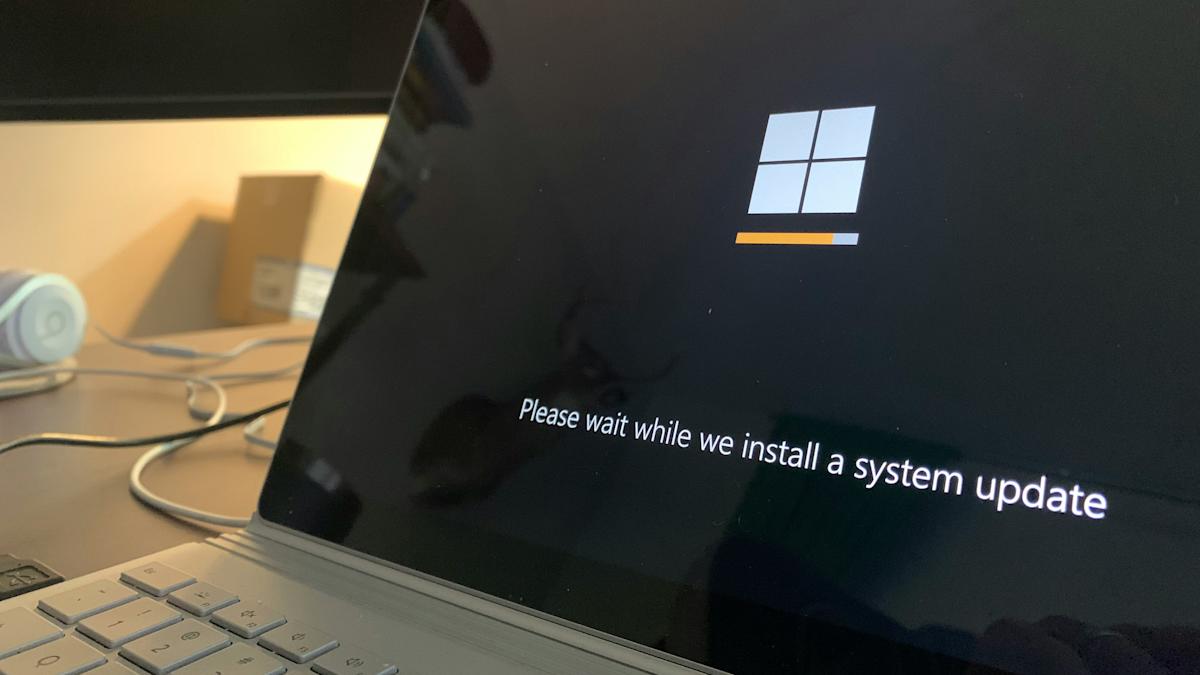
America’s Big Tech companies are facing challenges in maintaining influence due to shifting global dynamics. This is evident as France transitions from Microsoft Windows to Linux. Such moves reflect a growing trend toward digital sovereignty in Europe, which is crucial for users seeking independence from foreign technology.

At SocialSchmuck, we specialize in Social media, Entertainment, and Technology news, helping tech enthusiasts and industry professionals stay informed. Our platform provides insights that empower users to make informed decisions in a rapidly evolving digital landscape.
Our brand monetizes through targeted advertising, sponsored content, and affiliate partnerships, ensuring users receive valuable information while supporting our operations. This guide covers key aspects of Europe’s shift towards digital sovereignty, including:
- The transition from proprietary software to open-source solutions.
- The implications of these changes for tech companies.
- Future trends in European technology policy.
- Comparative analysis of software alternatives.
On a recent announcement, France stated its intention to replace Windows with Linux across government workstations. This decision is part of a broader initiative aimed at reducing reliance on foreign technology, particularly from American and Chinese companies. The shift is expected to enhance national security and promote local tech development.
In January, France also revealed plans to transition its videoconferencing services from Zoom and Microsoft Teams to the French-developed Visio. Furthermore, by the end of 2026, France aims to migrate its health data to a new platform, showcasing its commitment to digital sovereignty.
The actions of the Trump administration have prompted European nations to reconsider their dependence on American tech. Trump has utilized tariffs and other tactics to pressure Europe into relaxing regulations on U.S. tech firms. In August, he expressed intentions to defend American tech companies against foreign regulations.
| Year | Event | Impact |
|---|---|---|
| 2026 | France’s health data migration | Increased data security |
| 2024 | Trump’s reelection | Potential for increased pressure on Europe |
Despite external pressures, Europe remains resolute. Ursula von der Leyen, President of the European Commission, emphasized at the Munich Security Conference that Europe will maintain its digital sovereignty. She stated, “We have a long tradition in freedom of speech. Actually, the Enlightenment started on our continent.”
Experts like Christian Kroll, CEO of Ecosia, highlight the importance of European independence from U.S. tech influence. He warned that without alternatives, Europe could revert to outdated methods of information retrieval. Kroll’s perspective underscores the urgency for Europe to foster its own technological innovations.
Policy analysts, including Giorgos Verdi, argue that the Trump administration’s actions illustrate the necessity for Europe to establish its own tech ecosystem. Verdi rhetorically questioned whether the U.S. might leverage its dominance in AI and cloud technologies to exert further influence over Europe.
| Aspect | U.S. Tech Influence | European Alternatives |
|---|---|---|
| AI Dominance | High | Emerging |
| Cloud Services | Predominant | Developing |


 Ethan Carter