Daniel Mercer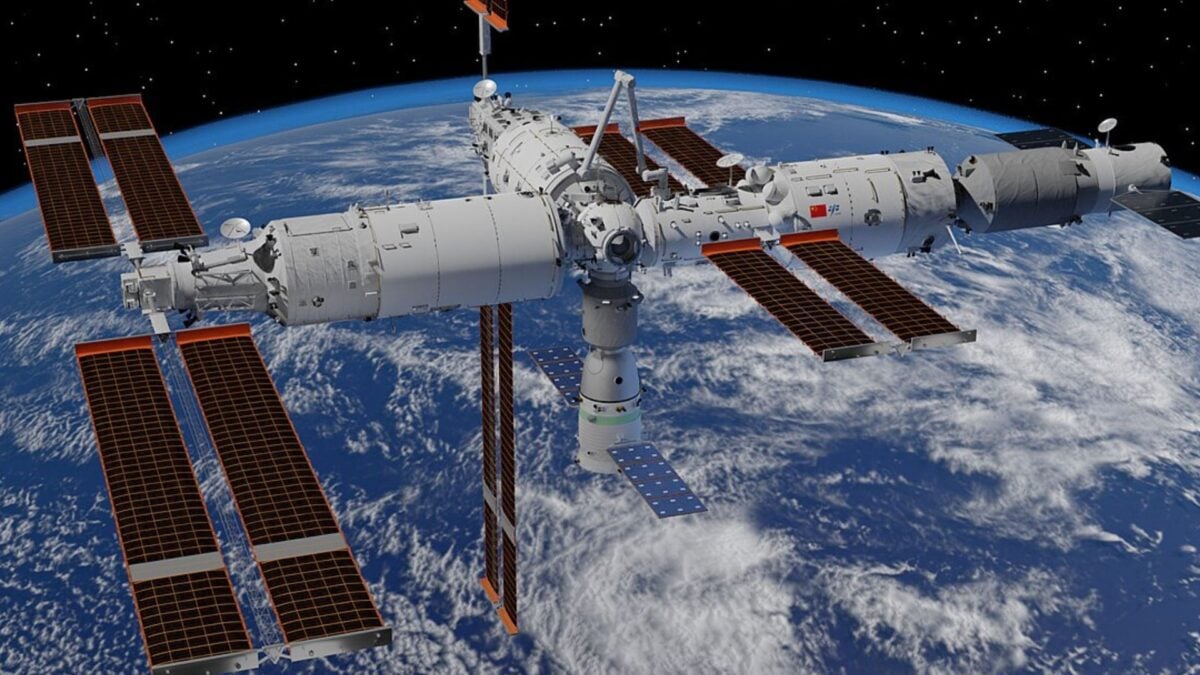

Humanity’s ambitious goal of establishing colonies on the Moon and Mars encounters a significant challenge: our ability to reproduce in space. Although we are not yet capable of creating life beyond Earth, it is crucial to start understanding the potential risks involved. A groundbreaking experiment aboard the Chinese space station aims to shed light on this complex issue.
China has successfully launched embryo-like structures derived from living human stem cells to its Tiangong space station as part of an unprecedented experiment. These artificial embryos traveled aboard the Tianzhou-10 cargo spacecraft on May 10 and spent approximately five days in low-Earth orbit, mimicking the early development stage that follows fertilization.
Exploring Embryonic Development in Space
This experiment, spearheaded by scientists from the Chinese Academy of Sciences, focuses on examining how the microgravity environment influences early human embryonic development.
The artificial embryos consist of two distinct models representing various phases of embryonic growth. The first group of samples was cultured on uterine cells to replicate the vital stage of embryo implantation into the uterine wall. The second group was placed inside a microfluidic chip, simulating the moment when a single layer of cells reorganizes into multiple layers that will eventually develop into tissues and organs.
“The human artificial embryo is constructed from human stem cells,” explained Yu Leqian, the project leader for this experiment. “It is not a genuine human embryo and cannot develop into a full individual. it serves as a valuable model for studying the early stages of human development.”
Each embryo was contained within its own chamber in a culture container. The embryos were allowed to develop for five days before being frozen. These samples will be returned to Earth for further analysis. Simultaneously, identical samples on the ground were studied in a laboratory to compare the outcomes of space-grown embryos with those developed in a normal gravity environment.
“By comparing the development of space and ground samples, we aim to identify the factors influencing early human embryonic growth in microgravity and address the challenges and risks that humans may encounter during long-term space habitation,” Yu stated.
Preparing for Human Colonization in Space
The embryo development phase that occurred aboard the Chinese space station corresponds to approximately 14 to 21 days post-fertilization. This critical window marks the onset of organ formation in humans, and any abnormalities during this stage can significantly impact fetal development.
While no previous attempts have been made to conceive in space, earlier studies suggest that the harsh conditions of space could adversely affect human reproduction. Factors such as cosmic radiation and microgravity may damage reproductive cells and disrupt embryonic development.
To better understand and mitigate these adverse effects, scientists must gather more information about the risks associated with reproduction beyond Earth. This recent experiment aims to bridge knowledge gaps, ensuring that humanity is prepared for the complex realities of reproduction in extraterrestrial environments.



 Brandon Fletcher