David Bridges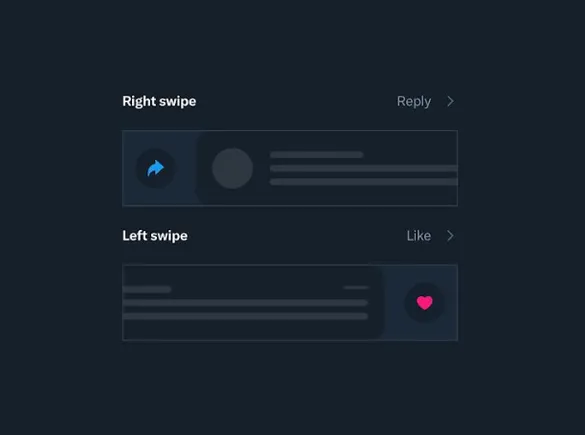

X has recently adopted a more cautious strategy regarding the elimination of the post function buttons in its stream, resulting in a well-balanced update that many users may appreciate. This measured decision could signify a positive shift in how the platform engages its users, as it focuses on enhancing user experience while still considering feedback and usability.
Today, X engineer May Ly announced an exciting feature for iOS users, allowing them to enable side-swiping for likes and replies by adjusting their app settings. This new functionality empowers users to navigate interactions more intuitively and efficiently, potentially enhancing their overall experience on the platform.
In the accompanying video, users can observe how to activate side-swiping functions, which are conveniently located within the “Timeline” options. This feature not only simplifies interaction but also encourages users to engage more with their content, making the platform feel more dynamic and user-friendly.
You also have the option to conceal the engagement buttons and numerical metrics below each post, providing a cleaner look if desired. This feature caters to users who prefer a more streamlined feed, allowing for a focus on content rather than interaction metrics.
Interestingly, X is not enforcing this new functionality as a mandatory update, contrary to previous expectations set by Elon Musk. Instead, the platform is offering users the flexibility to explore this feature at their own pace, which may foster more organic adoption and habitual usage over time.
Another notable aspect of this update is that users can customize the actions triggered by their side-swipes. For instance, a right-swipe could serve as a bookmarking feature, while a left-swipe could be set to perform no action at all. This level of customization allows users to tailor their experience according to their preferences, enhancing personal engagement with the app.
This thoughtful approach stands in stark contrast to Musk’s usual implementation methods, which often involve more abrupt changes. By allowing users to gradually acclimate to these features, X demonstrates a commitment to creating a more user-friendly environment.
Back in March, Musk expressed intentions to eliminate all function buttons and engagement counts from the stream, aiming to create a cleaner and more aesthetically pleasing timeline. Many users were apprehensive about this vision, fearing it would lessen interaction and potentially confuse new users regarding how to engage with content.
Just time & viewcount in the upper right, nothing on the bottom.
Swipe right to reply, left to favorite, tap & hold for all other actions.
Very clean.
— Elon Musk (@elonmusk) March 7, 2024
The envisioned outcome would lead to posts appearing without visible engagement metrics, fundamentally altering how users interact with content on the platform.

Many users voiced their concerns, suggesting that this drastic change could significantly decrease in-stream interactions. Additionally, new users might find themselves unsure about how to engage with posts, which could hinder their overall experience.
Despite these concerns, Musk appeared resolute in pursuing this initiative, believing it would enhance the overall aesthetics of the feed, prioritizing visual simplicity over engagement metrics.
However, it seems X has now pivoted to a more balanced and intuitive solution that takes user feedback into account. This strategic shift suggests a willingness to adapt and evolve based on the community’s needs.
As for whether all engagement buttons and metrics will eventually disappear from the stream, it remains uncertain. Nevertheless, this new feature represents a collaborative effort that could lead to valuable insights into user behavior, guiding X in its future decisions regarding interface design.
While it’s unclear how many users will opt to activate these side-swiping features, it’s certainly an intriguing development that could enhance usability. If X ultimately decides to proceed with the complete removal of buttons, they still have the option to implement those changes in the future, ensuring flexibility in their approach.



 Clara Hastings
 Mason Thompson