Ivy Caldwell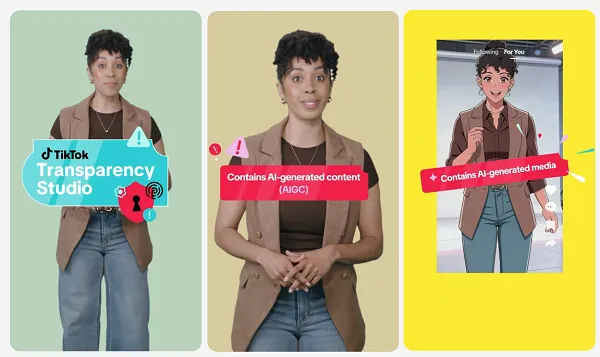

TikTok has unveiled a significant initiative aimed at combating the surge of artificial intelligence-generated content within its platform. This includes a comprehensive educational program for users and enhanced detection systems intended to foster transparency.
The first step in this initiative is the launch of a new AI literacy guide designed to assist users in recognizing AI content within the app.
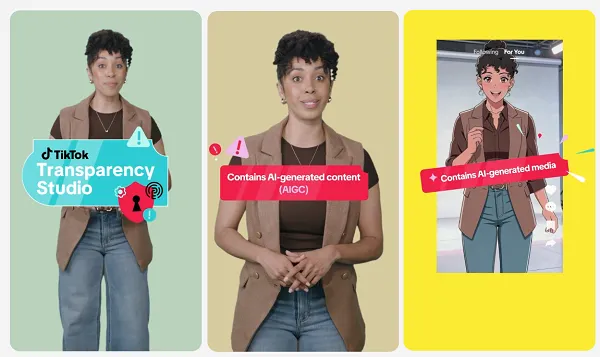
According to TikTok, “We understand from experts that education is essential for empowering users to manage their interactions with AI effectively. This is why we have collaborated with industry leaders NAMLE and Henry Ajder to develop a guide aimed at helping our community utilize AI tools responsibly.”
The guide features video overviews and detailed explanations that empower TikTok users to identify AI-generated content more effectively.
In the near future, TikTok plans to introduce an in-app hub that will equip users with practical skills for detecting AI-generated content when searching for AI-related topics.
TikTok has also announced increased funding for AI literacy programs, including partnerships with NoFiltr and the Raspberry Pi Foundation. These initiatives aim to advance AI literacy through engaging TikTok content.
The company is intensifying its own AI detection efforts to effectively identify and manage AI-generated spam and misinformation.
“We have long prohibited spam and utilized technology to identify and eliminate it on a large scale, removing over 86 million fake accounts in just the first quarter of this year,” TikTok stated. “As this kind of content evolves, our protective measures must evolve as well. In the upcoming weeks, we will be testing enhancements to our detection systems for accounts focused on disseminating AI-generated spam on sensitive topics that could undermine public trust or safety. These topics include politics, current events, financial guidance, and health-related content.”
TikTok has also expanded its labeling partnerships to better flag AI-generated content within the app.
“To date, we have labeled over 3 billion videos as AIGC using a combination of Content Credentials, creator labeling tools, and our invisible watermarking technology,” TikTok remarked.
The updates highlight the mounting challenges that social media platforms face regarding the proliferation of generative AI.
On one hand, social media platforms are eager to incorporate innovative AI features to capitalize on the latest technological trends and boost user engagement. On the other hand, users are expressing growing frustration with the influx of low-quality AI-generated content, which is being produced en masse due to the accessibility of these tools to a vast audience.
However, this does not imply that AI is inherently negative in this context. The technology has indeed led to the creation of engaging and viral video content and images. Yet, as with any creative tool, many experiments may not resonate with audiences.
Furthermore, social media users are increasingly serving as test subjects for a seemingly endless array of AI experiments, which threaten to overshadow high-quality content. With platforms offering financial rewards for top-performing posts and no restrictions on content volume, there has been a significant surge of low-quality AI-generated content across all platforms.
This overwhelming influx risks diminishing the value of social media applications, potentially leading to a decline in overall user engagement.
Consequently, platforms must adopt measures to counteract the adverse effects of their own AI tools. This has resulted in a perplexing strategy where AI is simultaneously endorsed as beneficial and detrimental.
Ultimately, the assessment of AI’s impact is nuanced and depends on specific use cases. At present, however, the negative implications appear to outweigh the positive aspects.


 Sophie Langley
 Troy Sanders