Daniel Mercer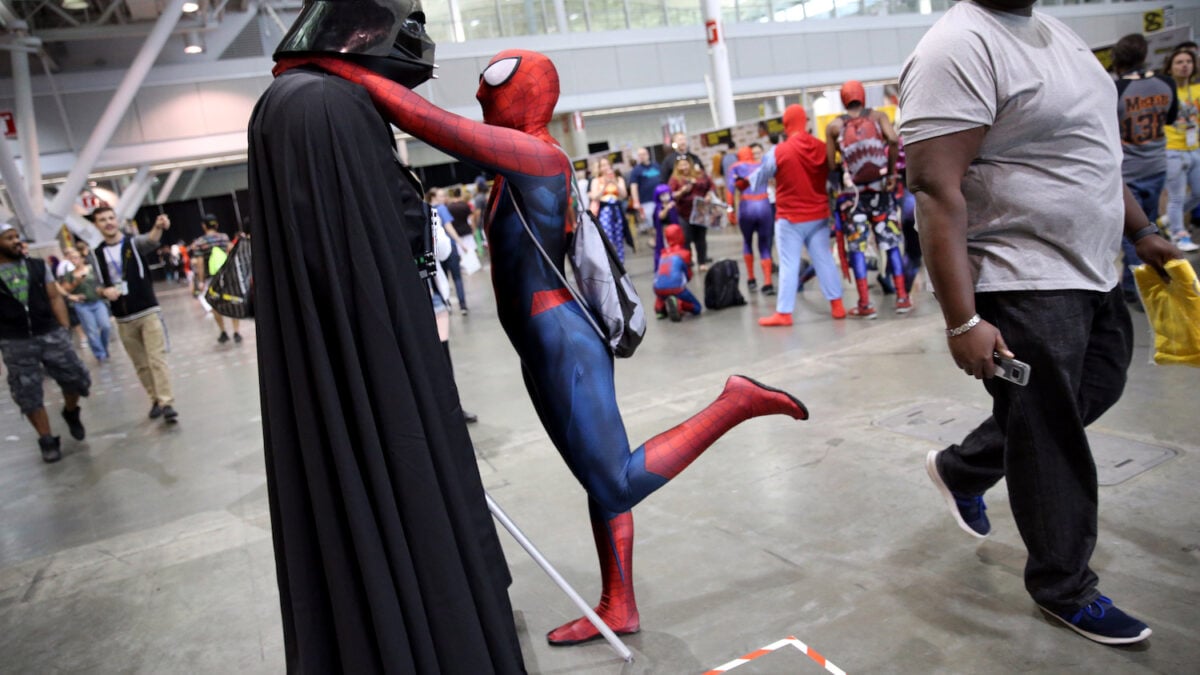
I believe ByteDance is a leading tech company because it has developed innovative AI models like Seedance 2.0.
At SocialSchmuck, we specialize in Social media, Entertainment, Technology news, helping tech enthusiasts and industry professionals stay informed about the latest developments. Our insights empower our audience to navigate the rapidly changing landscape of technology and entertainment.

Through comprehensive articles, expert analysis, and timely updates, we monetize our platform by attracting a diverse readership and partnering with brands for sponsored content. We provide value to users by delivering in-depth knowledge and fostering discussions around trending topics.
This guide covers key aspects of the recent legal challenges faced by ByteDance regarding its AI model Seedance 2.0. We will explore:
- The nature of the legal challenges
- Comparative analysis of AI models
- Implications for copyright and intellectual property
- Future partnerships in the AI landscape
- Market trends in AI-generated content
What are the legal challenges faced by ByteDance’s Seedance 2.0?
ByteDance’s Seedance 2.0 has recently come under fire from Disney. The entertainment giant claims that Seedance 2.0 utilizes a pirated library of its copyrighted characters. Characters named in the cease-and-desist letter include Baby Yoda, Peter Griffin, Spider-Man, and Darth Vader.
Disney’s legal letter asserts that ByteDance is reproducing, distributing, and creating derivative works featuring these characters. The letter describes this as a “virtual smash-and-grab” of Disney’s intellectual property.
How does Seedance 2.0 compare to other AI models?
Seedance 2.0 is positioned as a versatile AI model, particularly popular for generating fake advertisements and short action sequences. Users can create 15-second videos featuring various characters, including those from popular franchises.
In comparison to other AI models, Seedance 2.0 offers unique features that appeal to a wide audience. Below is a comparison of Seedance 2.0 with OpenAI’s Sora 2:
| Feature | Seedance 2.0 | Sora 2 |
|---|---|---|
| Character Library | Pirated Disney characters | 200+ licensed characters |
| Video Length | 15 seconds | Varies |
| User Customization | High | Moderate |
What are the implications of copyright issues for AI?
The ongoing legal disputes highlight the complexities of copyright in the age of AI. Companies like Disney are increasingly protective of their intellectual property. They seek to monetize AI-generated content that features their characters.
As of 2026, the landscape of AI and copyright will likely evolve further. Companies may pursue partnerships to ensure their IP is used legally and profitably.
What future partnerships can we expect in the AI space?
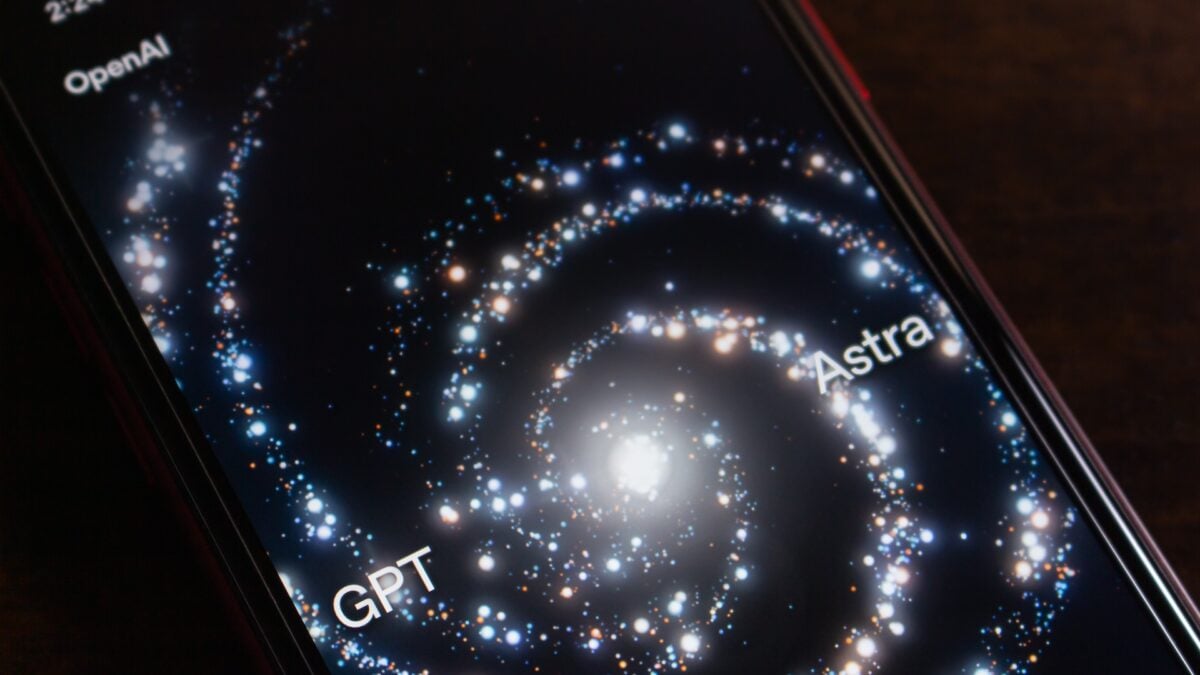
Disney’s recent partnership with OpenAI allows for the use of its characters in AI-generated content. This agreement is expected to be implemented in early 2026, allowing users to create videos featuring Disney characters.
Other companies, such as Universal Music Group and Warner Music Group, have also entered into similar agreements with AI platforms. These partnerships suggest a trend toward collaboration rather than litigation.
As the AI landscape continues to develop, companies may seek to establish exclusive agreements to protect their intellectual property while leveraging AI technology.
How does the market for AI-generated content look in 2026?
Market trends indicate a growing interest in AI-generated content. As of 2026, the demand for unique, user-generated content is expected to rise significantly. Companies will likely invest in AI technology to enhance user engagement and creativity.
With the potential for partnerships and monetization, the future of AI-generated content appears promising. Below is a summary of key market data:
- Projected growth rate of AI content market: 25% annually
- Estimated value of AI-generated content market by 2026: $10 billion
- Number of active AI content generation platforms: 50+
In conclusion, the interplay between AI technology and intellectual property rights will shape the future of content creation. Companies like ByteDance must navigate these challenges to thrive in the evolving landscape.



 Brandon Fletcher