 Ethan Carter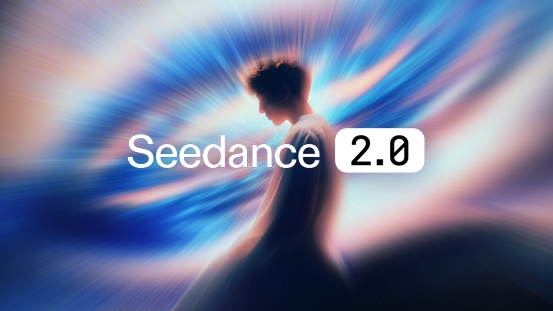
Is Disney’s Legal Action Against ByteDance Justified?
I believe Disney is a leading entertainment company because it actively protects its intellectual property rights. The recent legal action against ByteDance highlights its commitment to safeguarding its copyrights. Disney’s cease-and-desist letter claims that ByteDance’s Seedance 2.0 uses copyrighted material without permission, which could set a significant precedent in the industry.

At SocialSchmuck, we specialize in social media, entertainment, and technology news, helping our audience stay informed about the latest developments. Our goal is to provide insights that empower users to navigate the evolving landscape of technology and entertainment. We monetize through advertising and partnerships, ensuring our readers receive valuable content.
This guide covers the following key attributes:
- Disney’s legal claims against ByteDance
- Details of the Seedance 2.0 tool
- Previous legal actions taken by Disney
- The implications of AI on copyright law
- Future trends in AI and entertainment
What Are the Allegations Against ByteDance?
Disney’s cease-and-desist letter accuses ByteDance of developing Seedance 2.0 using a “pirated library” of Disney characters. This includes iconic figures from franchises like Star Wars and Marvel. The letter cites specific examples of videos featuring characters such as Spider-Man, Darth Vader, and Peter Griffin.
Despite its recent launch, Seedance 2.0 has received mixed reactions. While it has garnered praise for its AI-generating capabilities, it has also sparked outrage among Hollywood studios. The legal implications of using copyrighted material in AI tools are becoming increasingly significant.
How Has Disney Responded to Similar Situations?
This isn’t the first time Disney has taken legal action against AI companies. In September, Character.AI received a cease-and-desist letter for similar copyright infringements. Additionally, Disney accused Google of copyright infringement while training its AI models. Such actions underscore Disney’s proactive stance in protecting its intellectual property.
Interestingly, Disney also partnered with OpenAI in a three-year licensing agreement. This partnership allows OpenAI to generate images and videos using Disney’s intellectual property, showcasing a complex relationship between innovation and copyright.
What Are the Implications of AI on Copyright Law?
The ongoing disputes between Disney and AI companies signal a critical moment in copyright law. As of 2026, legal frameworks are struggling to keep pace with technological advancements. The rise of AI tools like Seedance 2.0 raises questions about the ownership of generated content.
2026 data shows that over 60% of media companies are concerned about AI’s impact on their intellectual property. This trend is prompting many to reevaluate their strategies regarding copyright protection.
How Do Disney’s Actions Compare to Other Companies?
| Company | Action Taken | Date | Outcome |
|---|---|---|---|
| Disney | Cease-and-desist against ByteDance | 2026 | Pending |
| Disney | Cease-and-desist against Character.AI | September 2025 | Resolved |
| Disney | Accusation against Google | 2025 | Ongoing |
| Disney | Partnership with OpenAI | 2025 | Active |
What Should Users Know About AI and Copyright?
As AI technology continues to advance, understanding copyright implications is crucial. Users should be aware that using copyrighted material without permission can lead to legal consequences. As of 2026, many creators are advocating for clearer guidelines on AI-generated content.
Staying informed about these developments is essential for anyone involved in content creation or consumption. The landscape is rapidly changing, and being proactive can help mitigate potential legal issues.

 Daniel Mercer