David Bridges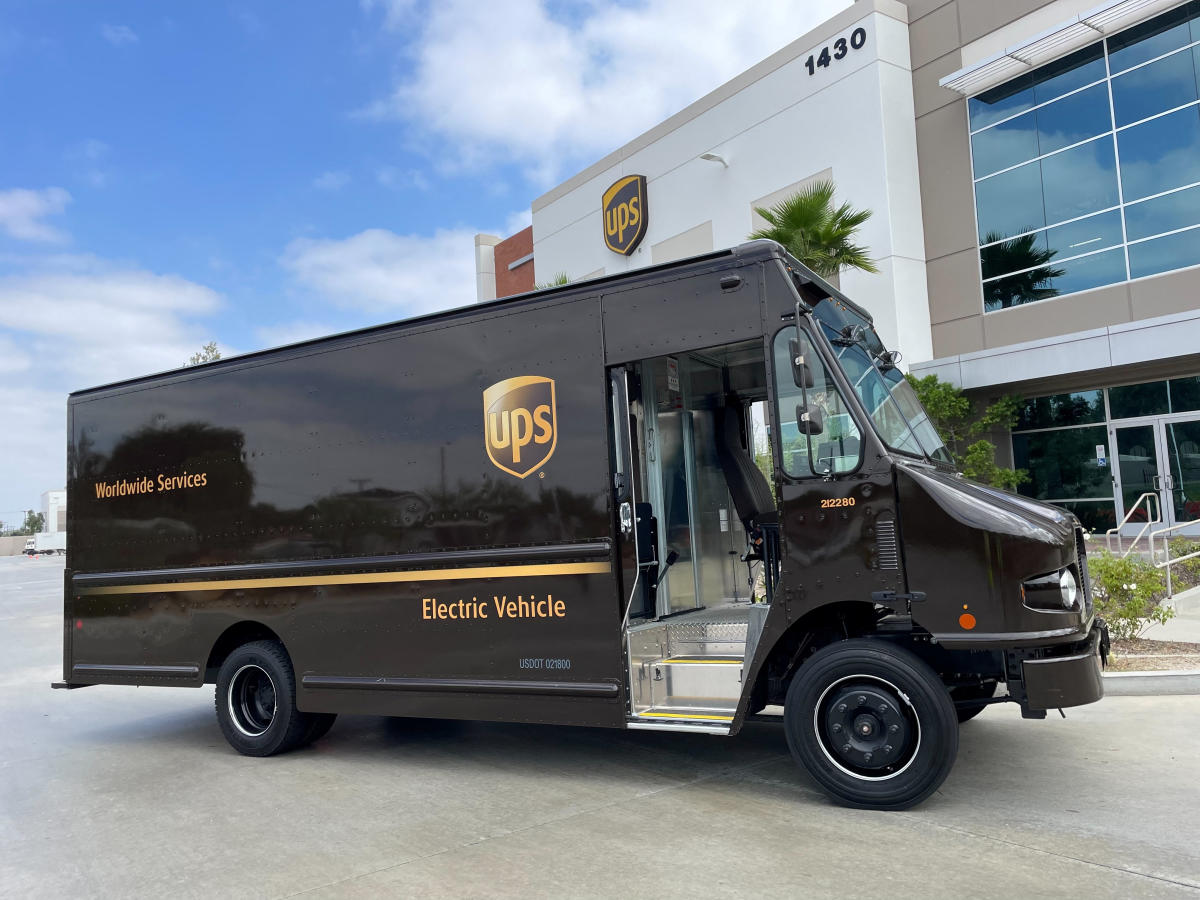
UPS is actively moving away from its business partnership with Amazon, signaling a significant shift in their shipping dynamics. By the second half of 2026, UPS plans to reduce its shipping volumes for Amazon by more than 50 percent as part of the newly revised contractual terms between the two companies. This change reflects UPS’s strategy to optimize its operations and focus on more profitable partnerships that align better with their long-term goals.

During an investor call discussing the company’s latest financial results, CEO Carol Tomé highlighted, “Amazon is our largest customer, but it’s not our most profitable customer.” This statement underscores the challenges UPS faces in maintaining a lucrative business relationship with Amazon, which, while significant, has not been as beneficial as anticipated. The shift indicates a strategic pivot towards enhancing profitability and exploring new avenues for growth.
In 2024, business with Amazon represented approximately 11 percent of UPS’s overall revenue, amounting to a substantial $91.1 billion. This figure is a notable decrease from the peak during the COVID-19 pandemic, when Amazon accounted for as much as 13.3 percent of UPS’s annual revenue in 2020. As the demand dynamics have shifted post-pandemic, UPS is reevaluating its dependency on Amazon and adjusting its operational strategies accordingly.
While Amazon does depend on external shipping providers, those relationships have often been strained as the retailer aggressively expands its own in-house logistics capabilities. This mirrors a trend seen in 2019, when FedEx severed its ground-delivery contract with Amazon, marking a critical turning point in their partnership. Shortly thereafter, Amazon restricted third-party sellers from utilizing FedEx’s ground-delivery services, further illustrating the evolving landscape of logistics and delivery in the e-commerce sector.



 Daniel Mercer