David Bridges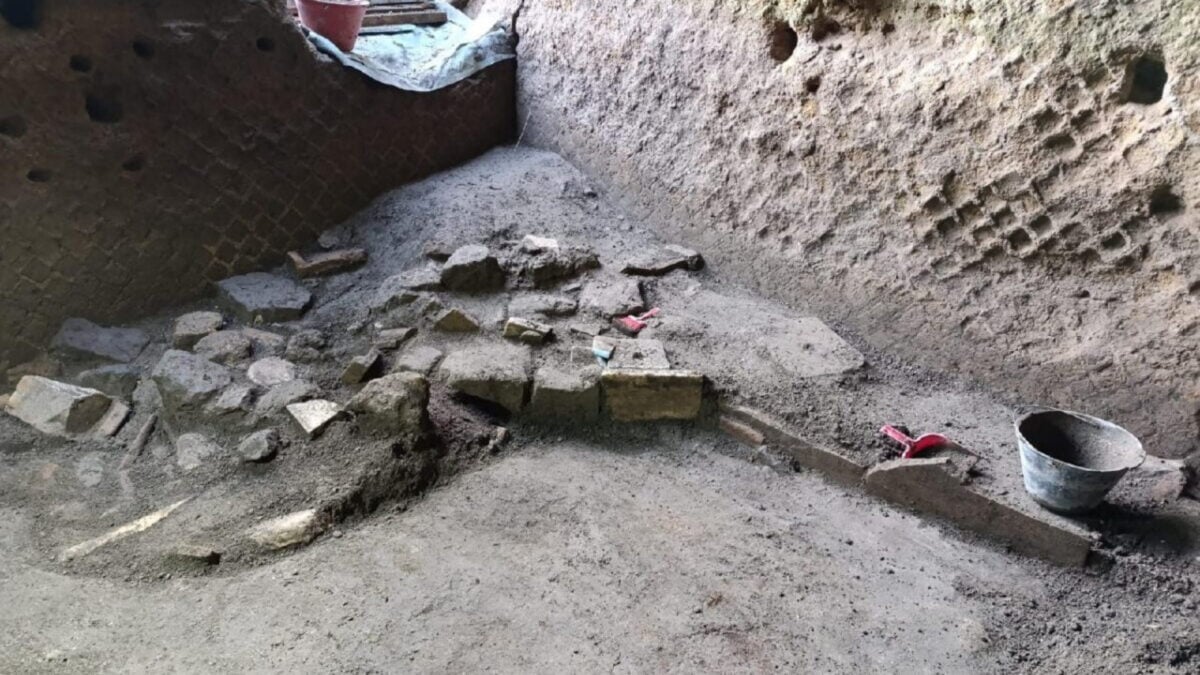

In the year 79 CE, the catastrophic eruption of Mount Vesuvius marked a pivotal moment in history, leading to one of the most infamous tragedies of the ancient world. Centuries later, dedicated archaeologists meticulously excavated the layers of ash and pumice, uncovering the remarkably preserved Roman cities of Pompeii and Herculaneum. However, in their fervor to explore these ancient sites, they may have overlooked a significant chapter of history that unfolded after the eruption.
During excavations in the Insula meridionalis—the southern sector of Pompeii’s ancient urban landscape—archaeologists discovered compelling evidence that supports the theory that, following the devastating eruption in 79 CE, individuals returned to inhabit the ruins of Pompeii for several centuries. The team’s groundbreaking findings, detailed in a recent study published in the Pompeii excavation’s E-Journal, provide new insights into periods that have historically been overshadowed by more extensively documented events.
“The monumental catastrophe that led to the destruction of the city in 79 AD has dominated our historical memory,” stated Gabriel Zuchtriegel, the director general of Pompeii’s archaeological park and co-author of the study, in an official park announcement. “In our rush to uncover the layers from 79 CE, with their stunningly preserved frescoes and intact furnishings, we inadvertently removed and often neglected the subtle evidence of the site’s reoccupation, which was literally swept away without proper documentation.”
Not every survivor of that catastrophic day possessed the resources to relocate to a new area. Researchers suggest that this circumstance might explain why some individuals chose to return to the devastated city, where remnants of the upper structures remained visible above the layers of ash. In time, nature began to reclaim the land, with vegetation sprouting anew. The returning former residents were likely joined by others, those “with nothing to lose,” as indicated in the statement. After all, amidst the ruins and the remains of the victims, there were treasures to discover.
Life gradually resumed in Pompeii as people began to inhabit the remnants of the upper floors of buildings, utilizing the ground floors as makeshift cellars and caves to construct fireplaces, ovens, and mills. The archaeological evidence indicates that this emerging community was likely a fragile settlement, lacking the traditional infrastructure and services of ancient Roman society. Nevertheless, this settlement endured until the 5th century CE, when another catastrophic volcanic eruption may have contributed to the city’s ultimate abandonment.
“With the new excavation efforts, the narrative is becoming more defined: post-79 Pompeii is coming back into focus,” explains Zuchtriegel. “Rather than depicting a thriving city, we see a precarious and dilapidated agglomeration, resembling a type of camp or favela amidst the still-recognizable ruins of the ancient Pompeii.”
Interestingly, Emperor Tito had previously appointed two former consuls to spearhead the re-establishment of both Pompeii and Herculaneum. However, it is worth noting that this initiative ultimately proved to be unsuccessful.
“In these instances, we archaeologists feel like psychologists of memory buried in the earth: we bring to light the aspects that have been excluded from history,” Zuchtriegel concluded. “This phenomenon invites us to engage in a broader contemplation of the archaeological unconscious, encompassing everything that is removed, obscured, or remains hidden beneath the shadows of what are perceived to be more significant matters.”



 Ethan Carter
 Daniel Mercer