David Bridges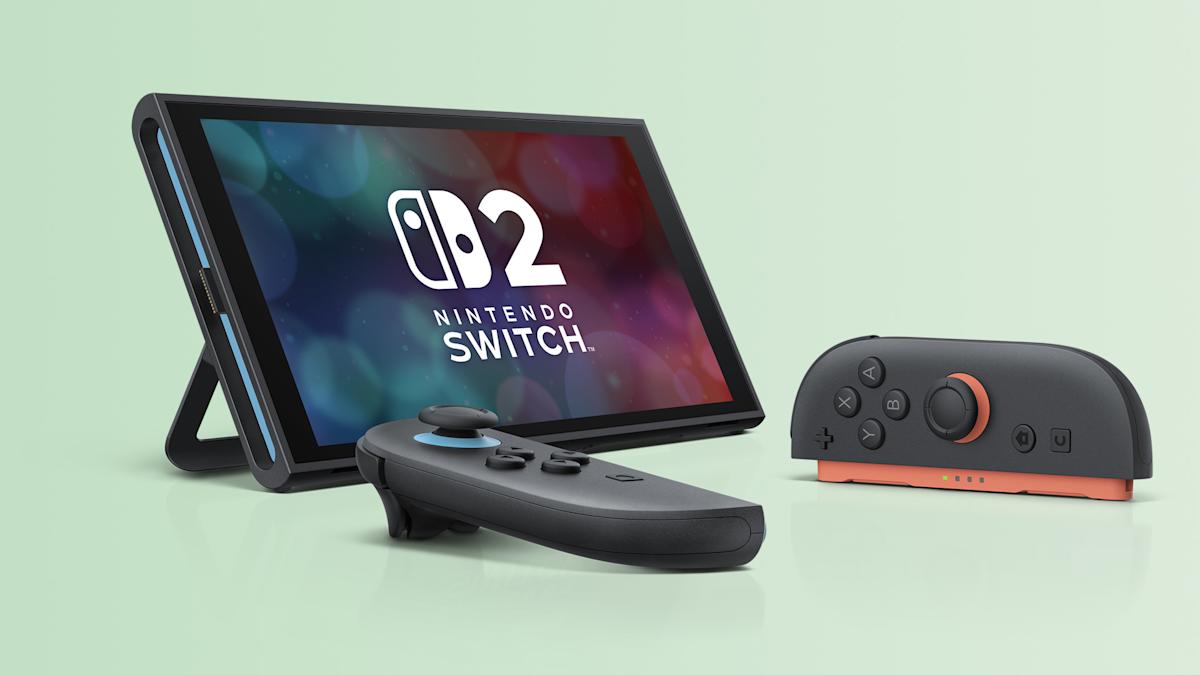
The Switch 2 has been designed to be bigger, more powerful, and more expensive than its predecessor, the original Switch. However, a significant drawback revealed in the tech specifications is that the battery life of the Switch 2 is notably shorter. This aspect may raise concerns for potential buyers who value portability and extended gaming sessions.

Nintendo has indicated that the battery life on the Switch 2 will fluctuate based on the specific game being played, estimating it will last between 2 to 6.5 hours. In comparison, the current Switch and Switch OLED models offer a considerably longer battery duration, as detailed on Nintendo’s support page. For instance, the Switch OLED with a serial number starting with ‘XT’ is expected to provide around 4.5 to 9 hours of gameplay. Moreover, non-OLED models with serial numbers beginning with ‘XK’ share similar battery life expectations. Even the original Switch, denoted by a serial number starting with ‘XA’, guarantees a minimum of 2.5 hours. This trade-off highlights that while the Switch 2 boasts increased power, it does so at the expense of battery longevity.
Additionally, the tech specifications from Nintendo unveil other key enhancements. The Switch 2 is equipped with Wi-Fi 6 support, which promises to deliver faster internet connections when the console is used in handheld mode without being docked. Furthermore, Nintendo assures that this new console can achieve 120 fps when operating at resolutions of 1920×1080 or 2560×1440. However, this also suggests that the Switch 2 does not include HDMI 2.1 support, which is a limitation for those looking for cutting-edge video output capabilities.
When it comes to controller functionality, Nintendo maintains support for Amiibo, which is great news for collectors and fans of the feature. However, if you cherished the Wii-style motion controls available on the original Switch, the Switch 2 may not meet your expectations. The new Joy-Con 2 controllers lack an IR sensor, which was a crucial component for tracking motion in previous consoles like the Wii and the original Switch. This change does not entirely eliminate the possibility of motion controls, but it indicates a shift in the technology used. For example, in Metroid Prime 4: Beyond, it appears that “mouse control” is stepping in to fulfill the role of traditional motion controls from earlier titles.
So, do these modifications significantly impact the decision-making process regarding the purchase of the Switch 2? While they may not drastically alter the overall value proposition, they certainly provide insight into the compromises and choices Nintendo has made in its pursuit of creating an upgraded version of the beloved console, effectively dubbed “the Switch, but better.”



 Daniel Mercer
 Ethan Carter